You probably grew up being told: “Brush harder and you’ll clean better.” But today dentists are much more likely to say the opposite. Hard brushing using excessive pressure or a stiff-bristle brush can damage gum tissue, wear tooth enamel, and create long term sensitivity that’s harder to fix than the plaque you were trying to remove.
In this article we’ll explain why hard brushing is risky, why softer brushes are often better, and how small changes in technique and tools protect your teeth and gums. The advice is general and applies everywhere whether you live in a busy metropolis, travel frequently, or just want a more comfortable, effective home care routine. We’ll also touch on practical tips that are relevant for readers in Dubai and similar climates, where dry air and lifestyle factors can change oral care needs.
Why hard brushing dangers matter for your mouth
At first glance, more force seems like a good idea. It removes plaque faster, right? Unfortunately, plaque attaches where the gum meets the tooth and that soft tissue is delicate. Aggressive brushing strips protective gum tissue and rubs away enamel at the tooth neck, exposing sensitive dentine beneath.
Over time these tiny injuries add up. What starts as a “clean” feeling becomes gum recession, enamel thinning, root sensitivity, and even cosmetic defects. The damage is often permanent and can require restorative treatment like composite bonding, gum grafts, or sensitivity therapies.
How hard brushing damages gums and enamel
1. Gum recession
Hard brushing repeatedly scrapes the gum margin. The gum slowly pulls away from the tooth, exposing the root surface. Once that happens, sensitivity and a higher risk of decay at the root follow.
2. Enamel abrasion
Enamel—the hard outer layer of the tooth protects the tooth from wear. Vigorous horizontal scrubbing can wear this layer down, creating notches near the gumline and increasing sensitivity.
3. Tooth sensitivity and pain
When enamel is lost or roots are exposed, stimuli like cold, heat, and sweets reach the nerve more easily. People may switch to gentler brushing because of discomfort, but by then damage has often progressed.
Why softer brushes are often better
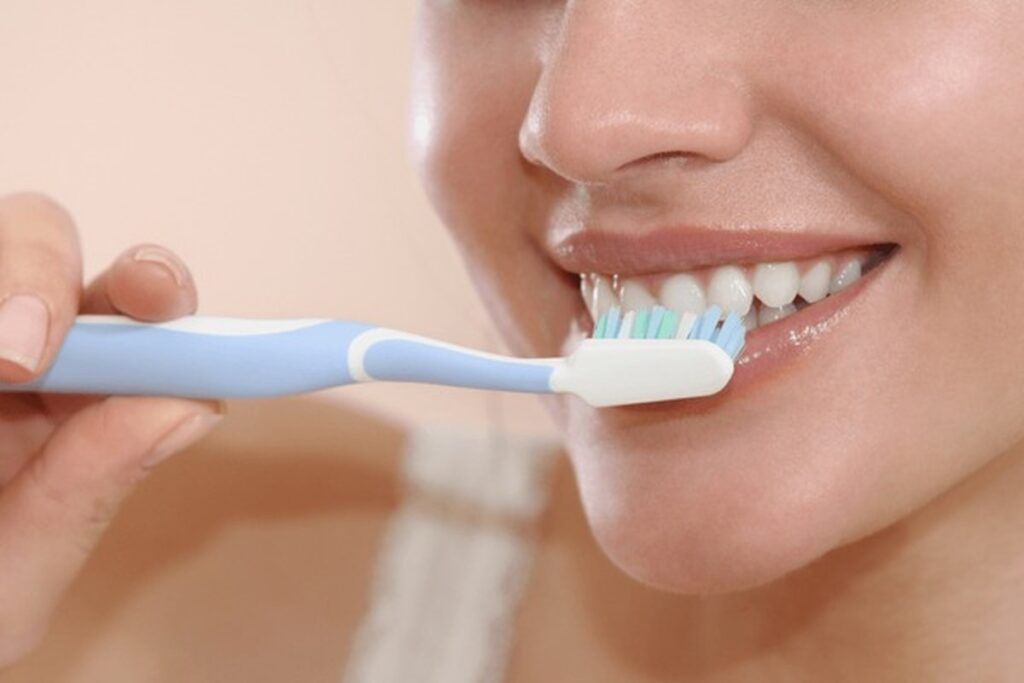
Soft-bristled toothbrushes clean effectively when used with the right technique. They remove plaque from tooth surfaces and under the gumline without traumatic abrasion. Modern soft brushes, including electric brush heads designed with soft filaments, can be more efficient and kinder to tissue than hard, stiff bristles.
Soft brushes reduce the risk of: gum recession, enamel wear, and unwanted sensitivity—while still providing thorough cleaning if used properly.
Correct brushing technique: gentle, not aggressive
Technique matters more than force. Follow these simple steps for effective, gentle cleaning:
- Use a soft-bristle brush (manual or electric).
- Angle the bristles 45° toward the gumline.
- Use small circular or vibrating motions rather than long horizontal scrubs.
- Brush for two minutes, twice a day—use a timer or the song method.
- Don’t scrub—let the bristles do the cleaning.
Checklist: Signs you might be brushing too hard
- Gums that bleed or feel sore after brushing
- Visible notches or grooves at the gumline
- Increased tooth sensitivity to cold or sweets
- Gums that look pulled back or thinner over time
- Toothbrush bristles splay quickly (a sign of excessive pressure)
When to see your dentist
If you notice any notching at the gumline, increased sensitivity, bleeding that doesn’t improve with gentler brushing, or visible gum recession, book a dental evaluation. Early intervention can stop progression and reduce the need for more extensive treatments later.
Practical tips to stop hard brushing today
- Switch to a soft-bristle brush tonight.
- Set a 2-minute timer and focus on gentle, small strokes.
- Try an electric brush with a pressure sensor for immediate feedback.
- Use fluoride toothpaste and follow with interdental cleaning once daily.
- Discuss sensitivity or visible changes with your dentist—professional options speed recovery.
Final thoughts: gentle wins every time
Hard brushing feels productive, but the long-term costs enamel loss, gum recession, sensitivity outweigh any short-term “clean” feeling. A softer brush and a gentle technique clean effectively while safeguarding the foundation of your smile. Make the switch today and protect your teeth for years to come.
Want personalised advice? Share this article, comment below with your questions, or book a consult at Gravity Dental Polyclinic to review your brushing technique and sensitivity options.