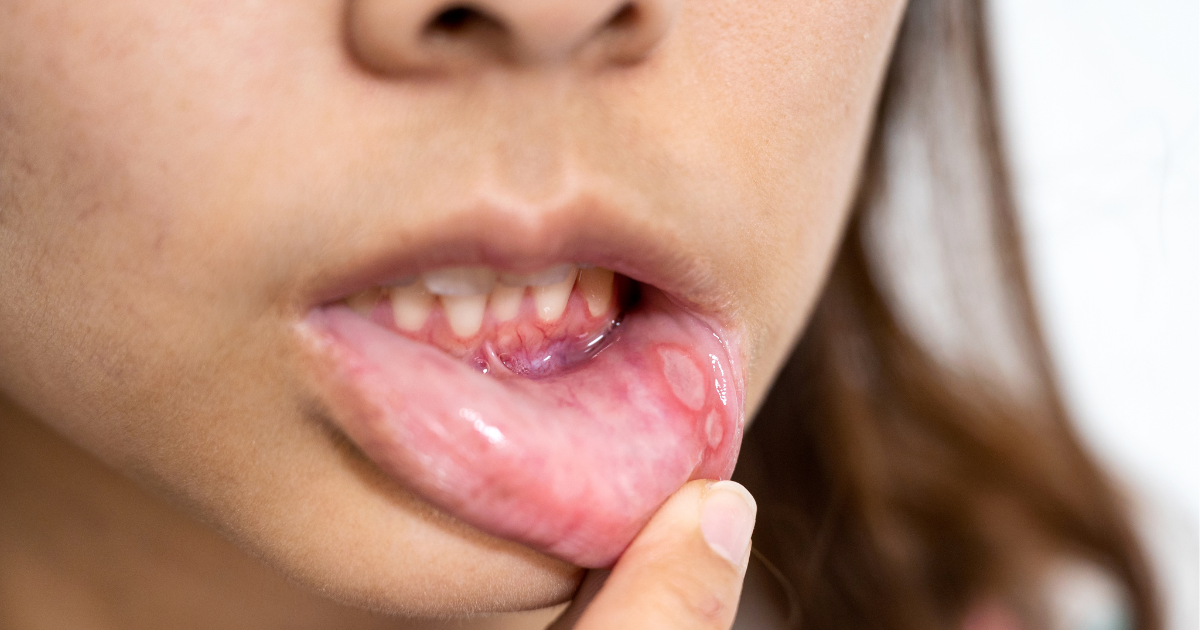
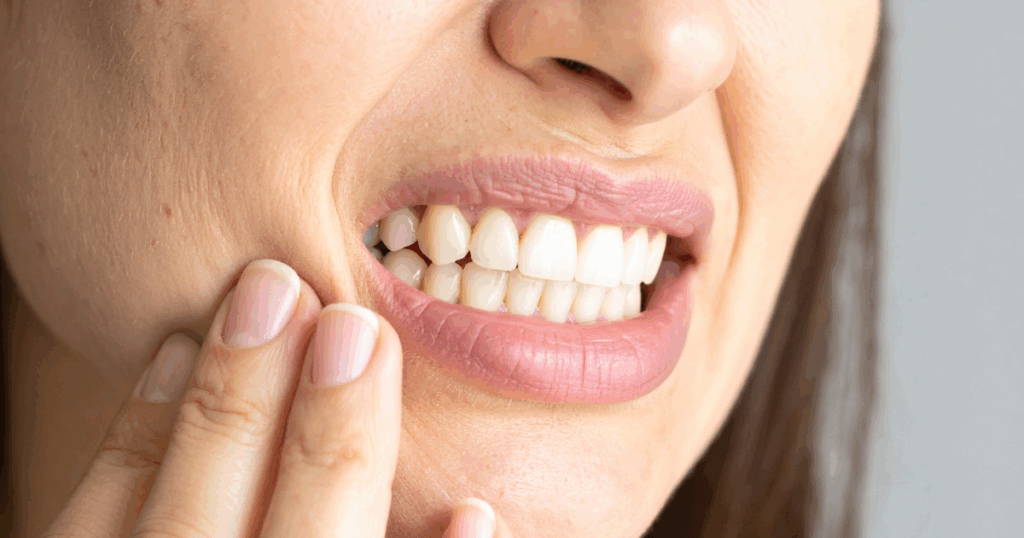
Tooth sensitivity is one of those problems that can catch you off guard. A sip of hot coffee, a bite of ice cream, or even brushing your teeth might trigger a sharp, uncomfortable jolt. Many people assume sensitivity is only about weak enamel, but gum disease is often a hidden cause. When gums become inflamed and start to pull back from the teeth, they expose areas of the tooth that are normally protected like the roots and dentin. These areas are highly sensitive because they don’t have the strong enamel shield.
Gum disease, also called periodontal disease, develops slowly, often beginning with plaque buildup along the gumline. Left untreated, it can progress to gum recession, bone loss, and even tooth loss. Along the way, tooth sensitivity often becomes an early warning sign that something isn’t right. The good news is that this link between gum health and sensitivity means you can take action early. By understanding how gum disease affects your teeth, exploring treatment options, and adopting daily habits that protect your gums, you can keep sensitivity under control and preserve your smile for years to come.
Why Gum Disease Can Lead to Tooth Sensitivity
Gum disease (also called periodontal disease) begins when plaque builds up along the gumline and under the gums. Over time, the inflammation causes the gum tissue to swell, bleed, and eventually pull back from the teeth. This gum recession exposes the tooth roots or underlying tooth structure which are not covered by enamel.
Root surfaces are more porous and sensitive because they don’t have the thick enamel layer that crowns of teeth do. The exposed dentin underneath has tiny tubules that lead directly to the nerve inside the tooth. So when something hot, cold, acidic, or sweet touches those exposed areas, you feel pain.
Beyond recession, gum disease also causes other damage: the bacteria and toxins can weaken the supporting structures, deepen gum pockets, and let more irritants reach vulnerable parts of the tooth. Habitual gum irritation can also erode enamel or damage cementum (the tissue covering the root). All these effects increase sensitivity.
Treatment Options for Sensitive Teeth Caused by Gum Problems
If sensitivity from gum disease is bothering you, there are several treatment routes you can take. First, improving your dental hygiene helps a lot. Regular brushing (with a soft-bristled brush), gentle flossing, and avoiding harsh or abrasive toothpaste reduce further gum irritation and prevent more recession. Using desensitizing toothpaste can help block pain signals from exposed roots.
Dentists may also apply fluoride varnishes or gels to exposed root surfaces to strengthen enamel and reduce sensitivity. Another common procedure is dental bonding to cover the exposed root with a protective layer. In more serious cases, scaling and root planing a deep cleaning beneath the gumline can remove bacteria and plaque, allowing gums to heal and reattach more securely.
For cases where gum recession is advanced, surgical options may be required, such as gum grafting or techniques to reposition gum tissue so that exposed roots are covered. These treatments help protect the vulnerable parts of the teeth and lessen sensitivity long-term.
Preventive Care: Protecting Your Gums and Reducing Sensitivity
Prevention is often the best medicine. Keeping your gums healthy helps stop sensitivity before it starts. That means brushing gently twice a day, flossing daily, and using mouthwash or rinses that calm inflammation. Don’t use a hard toothbrush or brush too forcefully gentle technique matters.
Watch your diet: acidic foods and drinks wear down enamel and irritate gums, so limiting citrus, soda, and acidic sauces helps. If you grind your teeth at night (bruxism), a nightguard can protect your enamel and reduce stress on gums. Regular dental check-ups let your dentist spot the early signs of gum disease before the damage becomes serious.
Tooth sensitivity caused by gum disease doesn’t have to be a permanent struggle. By addressing gum inflammation early, improving your daily oral care, and getting timely professional treatment, you can restore comfort and protect your smile. Remember, sensitivity is often your body’s way of telling you to pay closer attention to your gums. With consistent checkups and a strong focus on Preventive Care, you’ll not only reduce sensitivity but also lower your risk of more serious dental issues. Taking small steps today can make a big difference in keeping your teeth strong and your gums healthy.