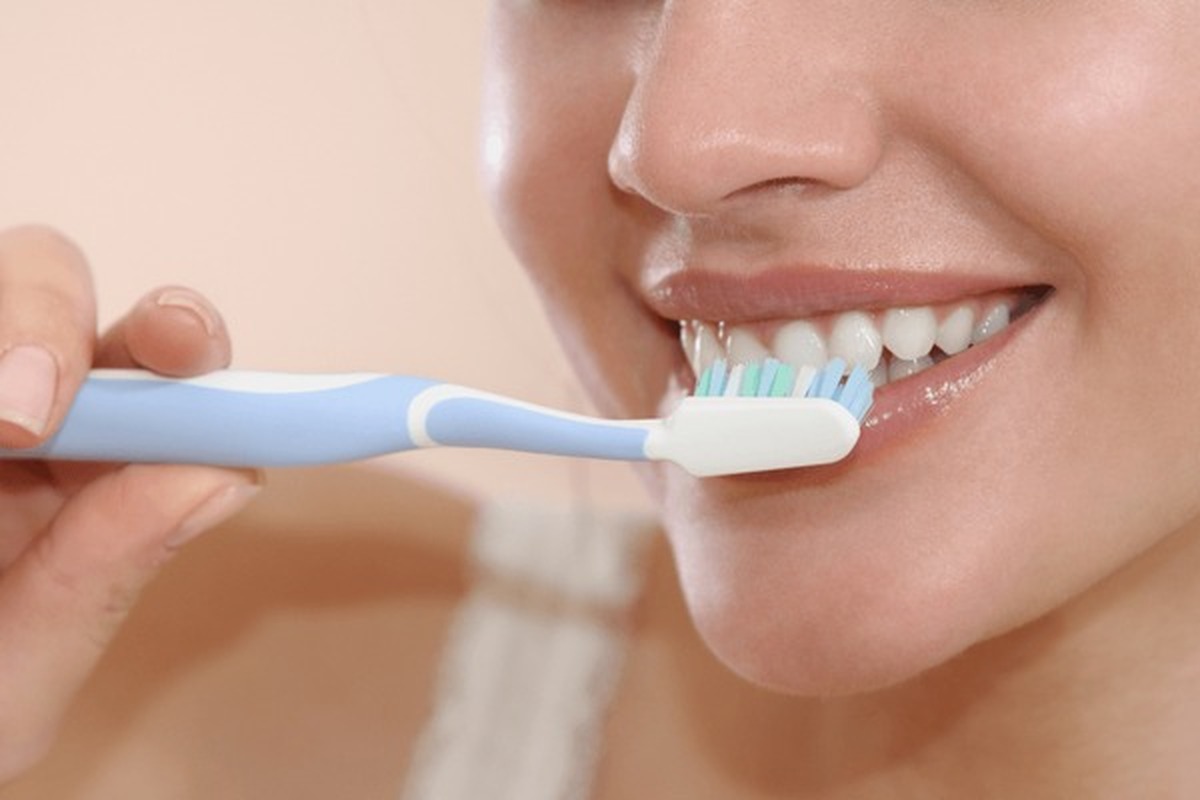

When it comes to oral health, brushing usually gets all the attention. But here’s the truth: brushing alone only cleans about 60% of your tooth surfaces. The rest those tight spaces between your teeth and along the gumline are left vulnerable to plaque buildup and bacteria. That’s where flossing comes in.
Flossing might feel like a small step, but it makes a big difference. By removing food particles and sticky plaque from areas your toothbrush can’t reach, you’re protecting your teeth from cavities and your gums from inflammation. Skipping this habit can lead to bleeding gums, bad breath, or even more serious issues like gum disease over time.
Think of flossing as your secret weapon for a healthier smile. It’s not just about keeping your teeth clean, it’s about preserving the strength of your gums, supporting your enamel, and even boosting your overall health. Studies have shown that poor gum health is linked to conditions like heart disease and diabetes, which means taking care of your mouth truly benefits your whole body.
In this blog, we’ll explore why flossing is necessary, how it protects your teeth and gums, and the long-term benefits of making it part of your daily routine.
How Flossing Prevents Cavities and Gum Disease
Your toothbrush does an amazing job, but it only reaches about 40–60% of your tooth surfaces.The rest those tight spaces between teeth? That’s where floss shines. The American Dental Association (ADA) says flossing removes up to 80% of interdental plaque, the sticky film that gum disease and cavities love.
When plaque lingers between teeth, it can turn into tartar a stubborn buildup that only a dentist can remove. If left unchecked, it can lead to gum inflammation (gingivitis), and eventually to periodontitis, a serious infection that damages bone and tissue supporting your teeth.
Studies back this up: short term trials show that using floss plus brushing significantly reduces plaque and gingivitis, compared to brushing alone.. One long-term study found that flossers had fewer cavities and less gum disease over five years.
Plus, clean gums don’t just keep your mouth healthy, they support your whole body. Poor gum health has been linked to conditions like heart disease, diabetes, dementia, even stroke.
The Long-Term Benefits of Adding Flossing to Your Daily Routine
Let’s talk about how flossing daily goes beyond just clean teeth.
1. It’s low-cost, low-risk, and powerful
Even though big randomized studies are rare and guidelines sometimes skip over flossing the ADA and dental experts still strongly recommend it. It’s one of the easiest, most affordable ways to maintain oral health
2. It helps your entire body stay healthy
Flossing isn’t only about your smile. Removing hidden bacteria lowers inflammation and may reduce your risk of heart problems and strokeThere’s even research showing it helps keep gut bacteria and perhaps cognitive health in check.
3. It saves you money and visits later
Preventing plaque buildup reduces chances of cavities and gum disease which means fewer fillings, treatments, and dental visits down the line.
4. It refreshes breath and strengthens bone support
Flossing helps keep those hidden spaces clean, boosting breath freshness and protecting the bone that holds your teeth in place.
5. It works best when you floss before brushing
A study found that flossing first breaks up plaque, allowing fluoride from toothpaste to penetrate deeper when you brush next.
6. Consistency matters more than timing
Whether you floss before bed, during lunch, or whenever, sticking to a routine is what counts. And choosing ADA-approved tools like string floss, tape, picks, water flossers, or interdental brushes makes a difference too.
Different Types of Flossing: Finding What Works for You
Flossing isn’t one-size fits all there are several ways to do it, and the best option depends on your teeth, gums, and lifestyle. Traditional string floss (waxed or unwaxed) is the classic choice, great for cleaning tight spaces. Dental tape is flatter and wider, making it gentler and ideal for people with more space between their teeth. Many people prefer floss picks, which are small plastic tools with a piece of floss stretched across handy for kids or quick use on the go. If you wear braces or have dental work like bridges, interdental brushes or super floss can reach tricky spots that string floss might miss. And for those who want a more high tech approach, water flossers use a steady stream of water to wash away plaque and food particles, especially helpful if you have sensitive gums or limited hand movement.
The key is consistency. No matter which type you choose, flossing daily helps protect your teeth and gums for the long run.Flossing isn’t just the finishing touch it’s the hero of your oral care routine. It reaches where your brush can’t, protects your smile, and even supports your heart and brain. At Gravity Dental Poly Clinic, we’re all about making your dental care fit your life with care and clarity. If flossing feels tricky, we’d be happy to guide you because every smile deserves its shine.