Noticing a white coating on your tongue can be unsettling, especially if it doesn’t go away after brushing. A white tongue is often a sign of bacteria, debris, or dead cells collecting on the tongue’s surface. In most cases, it’s harmless and linked to simple factors like poor oral hygiene, dehydration, or certain lifestyle habits. But sometimes, a persistent white tongue could point to issues such as oral thrush, smoking-related changes, or even side effects from medications.
The good news? You don’t have to live with it. With the right care, it’s possible to clear a white tongue and keep it from coming back. Simple daily steps like brushing your tongue, staying hydrated, and avoiding irritants such as tobacco and alcohol can make a big difference. In some cases, professional dental care may be needed to treat infections or rule out underlying health conditions.
In this blog, we’ll break down what causes white tongue, how you can prevent it, and the best ways to get rid of it for good. Your journey toward a fresh, confident smile begins with understanding the problem and adopting habits that support a truly healthy mouth.
What Is a White Tongue? What Are the Causes Behind the Coating?
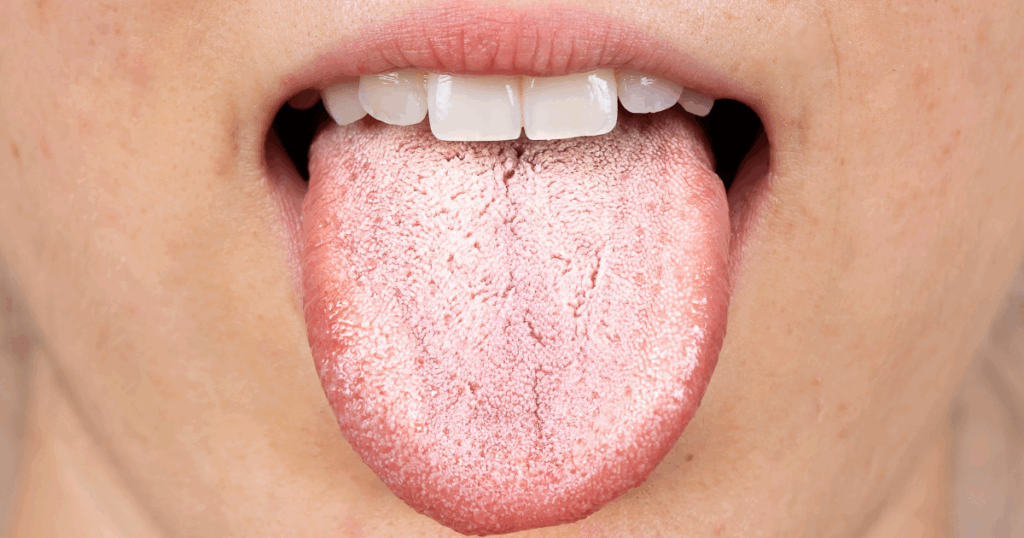
When you open your mouth and notice your tongue looking white instead of its natural pink, it can be a little worrying. A white tongue usually means there’s a buildup of debris, bacteria, or dead cells on the surface of your tongue. Sometimes, the entire tongue looks coated; other times, you’ll notice patches here and there. While most cases are harmless and temporary, a persistent coating could signal something deeper going on with your oral or general health.
Main causes of white tongue include:
- Poor oral hygiene — Skipping regular brushing, flossing, or tongue cleaning lets bacteria and food particles stay behind.
- Dry mouth or dehydration — Without enough saliva, your tongue loses its natural “self-cleaning” power.
- Lifestyle habits — Smoking, chewing tobacco, and drinking alcohol can irritate your tongue and leave lasting coatings.
- Infections and health conditions — Oral thrush (a yeast infection), leukoplakia (linked to tobacco use), or lichen planus (an inflammatory condition) may all cause stubborn white patches.
- Medication use — Some antibiotics and inhalers can change the natural balance of your mouth, leading to coating.
Knowing the root cause is the first step toward clearing a white tongue for good. If it lasts more than two weeks or causes pain, your dentist should take a closer look.
Preventing White Tongue: Daily Habits for a Healthy Mouth
The good news? Most cases of white tongue can be prevented and even reversed by making small but steady changes to your daily routine. Think of it as a way to keep a healthy mouth that looks and feels fresh every day.
Here are habits that make a real difference:
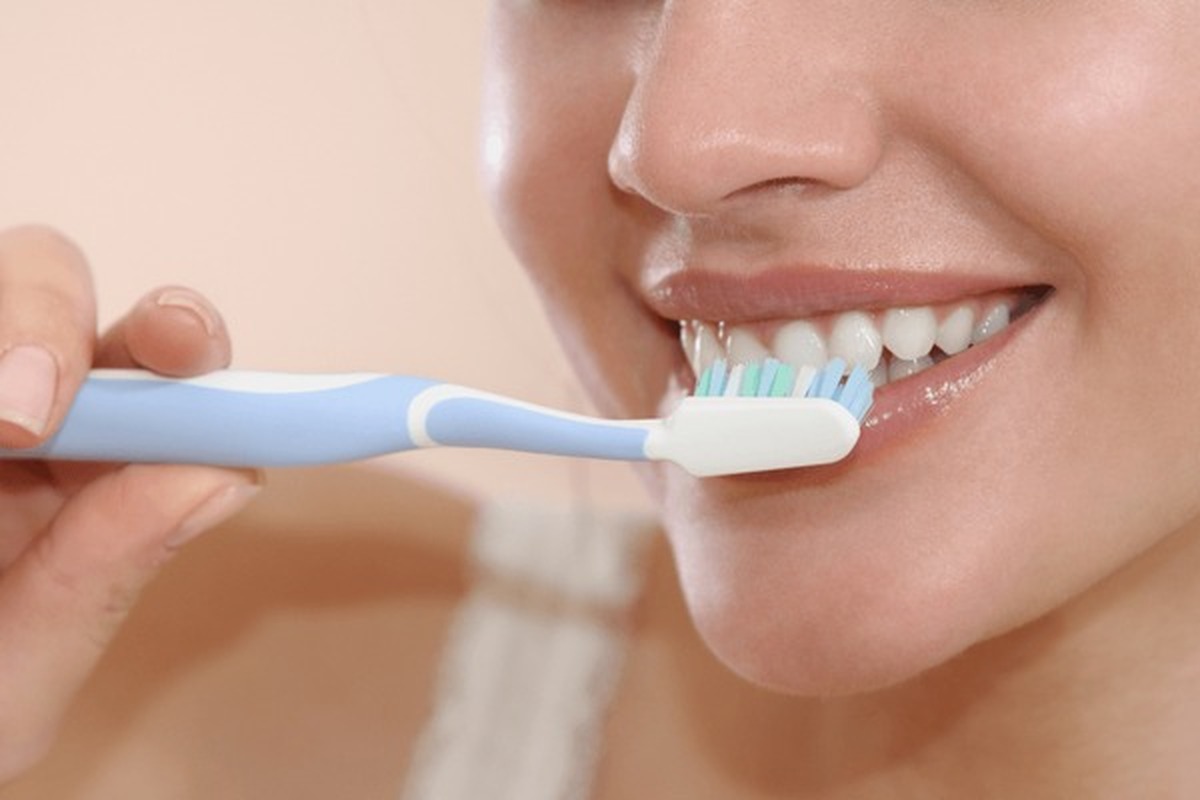
- Brush twice daily and don’t skip the tongue. Use a soft-bristled brush or a tongue scraper to gently remove buildup.
- Stay hydrated. Water keeps saliva flowing, which naturally washes away debris and bacteria.
- Eat crunchy, fiber-rich foods. Apples, carrots, and cucumbers act like natural scrubbers for your tongue.
- Quit smoking and cut down on alcohol. Both dry out and irritate the mouth, making white patches more likely.
- Rinse your mouth. Alcohol-free mouthwash or even saltwater can freshen your tongue and reduce bacteria.
- Keep up with dental visits. A dentist can catch issues early, from gum disease to oral thrush, ensuring you enjoy a consistently healthy mouth.
If you make these habits part of your lifestyle, you’ll not only prevent a white tongue but also enjoy fresher breath, stronger gums, and a cleaner smile overall.
A white tongue might feel frustrating, but it’s usually manageable with consistent care. Daily habits like brushing your tongue, drinking enough water, eating a balanced diet, and avoiding tobacco all help keep your mouth clean and fresh. If the coating doesn’t improve within two weeks or is paired with pain, burning, or swelling, make sure to see your dentist. Addressing the issue early ensures your tongue isn’t just clear—it stays that way. A little attention each day goes a long way toward protecting a healthy mouth and a brighter, more confident smile.