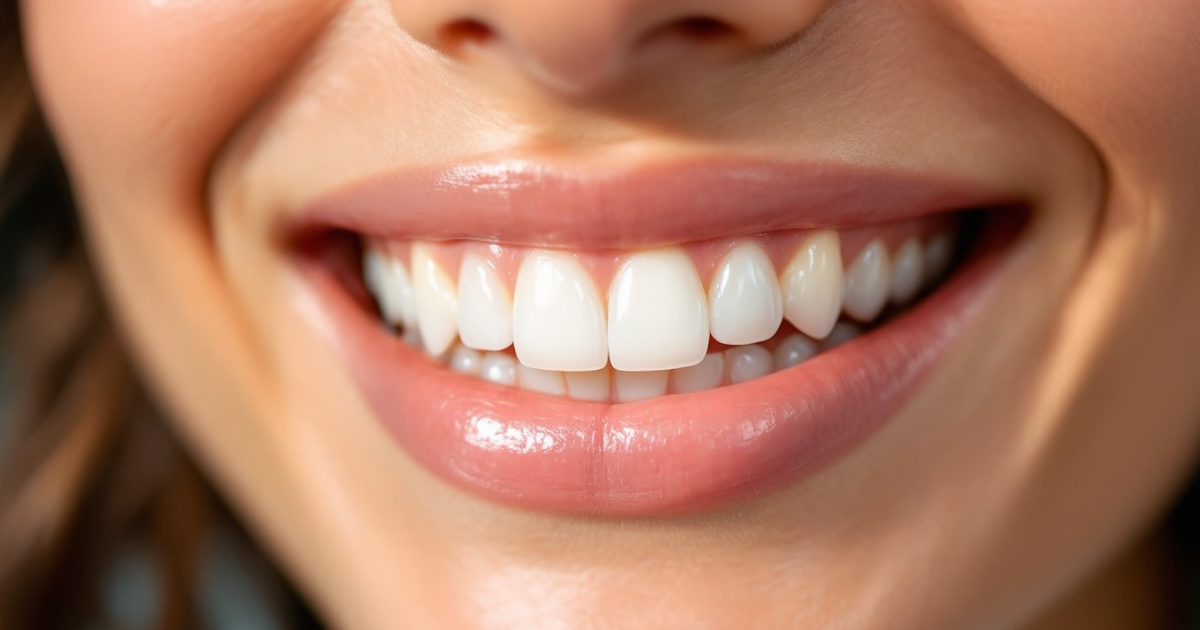
Your smile can be one of your best features but when teeth are damaged, missing, or discolored, it can also be a source of stress. If you’ve been thinking about transforming your smile, two popular dental treatments often come up: veneers and dental implants. Both can give you a beautiful, confident look, but they work in very different ways and solve different problems.
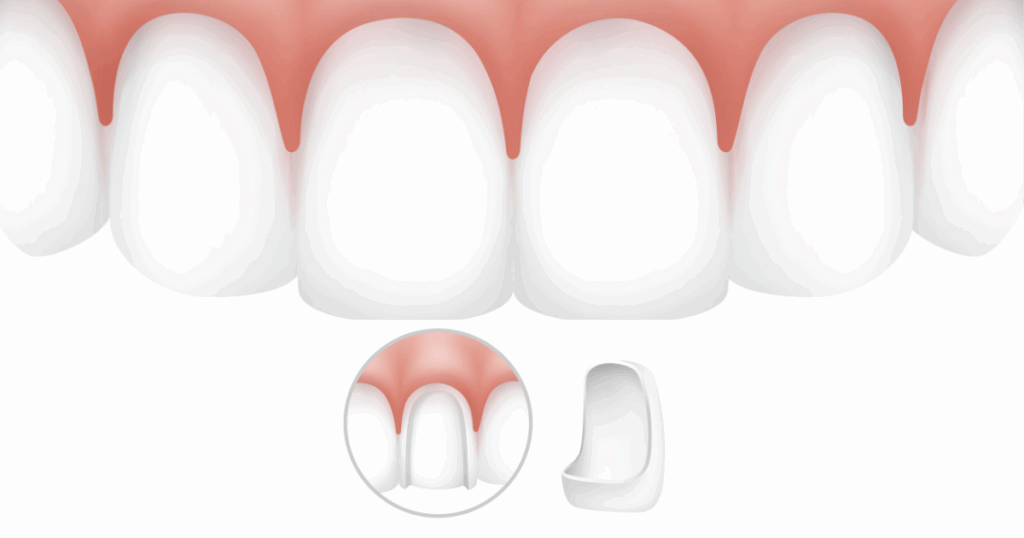
Veneers are thin shells that cover the front of your existing teeth, perfect for fixing chips, gaps, or stains. Implants, on the other hand, replace a missing tooth entirely, acting just like a natural tooth in both function and appearance.
The tricky part? Many people aren’t sure which option is right for them. Should you save your natural tooth and cover it with a veneer, or replace it entirely with an implant? The answer depends on the health of your teeth, your goals, and even your lifestyle.
In this guide, we’ll break down how veneers and implants work, their pros and cons, and when each treatment is best. By the end, you’ll have the clarity you need to make a choice that keeps your smile healthy, natural looking, and ready for any occasion.
Veneers vs. Implants: What’s the Difference? Cost, Treatment?
Veneers are ultra-thin shells usually porcelain or resin that cover only the front surface of your existing tooth. They’re used to fix chips, stains, gaps, or worn teeth, often with just minimal enamel removal. The procedure takes a few visits and delivers quick, natural-looking results
Dental implants, by contrast, replace the entire tooth root and all. A titanium or ceramic post is surgically placed into your jaw, bonds with the bone (a process called osseointegration), and then supports a crown, bridge, or denture. It’s a more involved treatment, often spaced over months, but offers permanent function and strength.
Veneers are initially cheaper, but you should factor in their lifespan, usually 10–15 years, compared to implants’ long-term promise.
Veneers vs. Implants: The Correct Treatment for You?
Consider these key factors:
1. Your Tooth’s Condition
- If your natural tooth is intact but looks old, cracked, or discolored, veneers could give it a beautiful facelift with minimal effort
- But if the tooth is missing, broken beyond repair, or infected—an implant might be the better, lasting solution.
2. Procedure Invasiveness & Time
- Veneers are quick and non-surgical—usually done in 2–3 visits with little downtime.
- Implants require surgery, healing time (often several months), and multiple appointments—but give you a tooth that feels and functions like your own.
3. Longevity & Maintenance
- With proper care, veneers last around 10–15 years—but still need replacement.
- Implants, by comparison, can last a lifetime, resisting decay and preserving jawbone structure.
4. Aesthetic Goals vs. Functional Needs
- Veneers give you a fast cosmetic fix
- Implants give you back chewing power and prevent bone loss—especially important if you’ve lost a tooth long ago.
Choosing between veneers and implants isn’t just about how your smile looks it’s about what you need: coverage or replacement. Veneers offer fast, cosmetic upgrades without surgery. Implants replace missing or irreparable teeth, offering durable, natural function.At Gravity Dental Poly Clinic, we’ll walk you through these options based on your tooth health, budget, and how long you’d like your solution to last. Whatever you choose veneers or implants—we’ll support you with expert dental surgery guidance wrapped in our signature comfort-first care. Let’s help you smile brilliantly, wisely, and confidently.