As we age, our teeth often tell the story of a lifetime, decades of chewing, sipping tea or coffee, maybe the occasional sweet indulgence. But for many seniors, tooth loss becomes a reality, and it can affect more than just appearance. Missing teeth can make it harder to enjoy favorite foods, speak clearly, or even smile with confidence. The good news? Modern dentistry offers seniors several effective tooth replacement options designed to restore both function and beauty.
Today’s solutions go far beyond the traditional dentures of the past. Whether it’s dental implants that feel just like natural teeth, bridges that offer fixed stability, or advanced dentures that fit more comfortably than ever, there’s a treatment plan to match every lifestyle, budget, and health need. Choosing the right option isn’t only about replacing teeth, it’s about improving quality of life, boosting self-esteem, and keeping your mouth healthy for the long run.
In this blog, we’ll walk you through the step-by-step process of tooth replacement, explain the best choices available for seniors, and help you understand when each solution makes sense. Because no matter your age, you deserve a smile that lasts.
Step by Step Guide to the Tooth Replacement Process for Seniors
Losing teeth can feel overwhelming, but knowing what to expect makes the journey much smoother. Here’s how the process usually works when you explore Tooth Replacement Options with your dentist:
1. Initial Consultation and Health Review
Your dentist starts by listening to your story what teeth you’ve lost, how it’s affecting your daily life, and what you hope to achieve. They’ll also review your medical history and current medications since conditions like diabetes or osteoporosis can influence healing and treatment choices.
2. Oral Examination and Scans
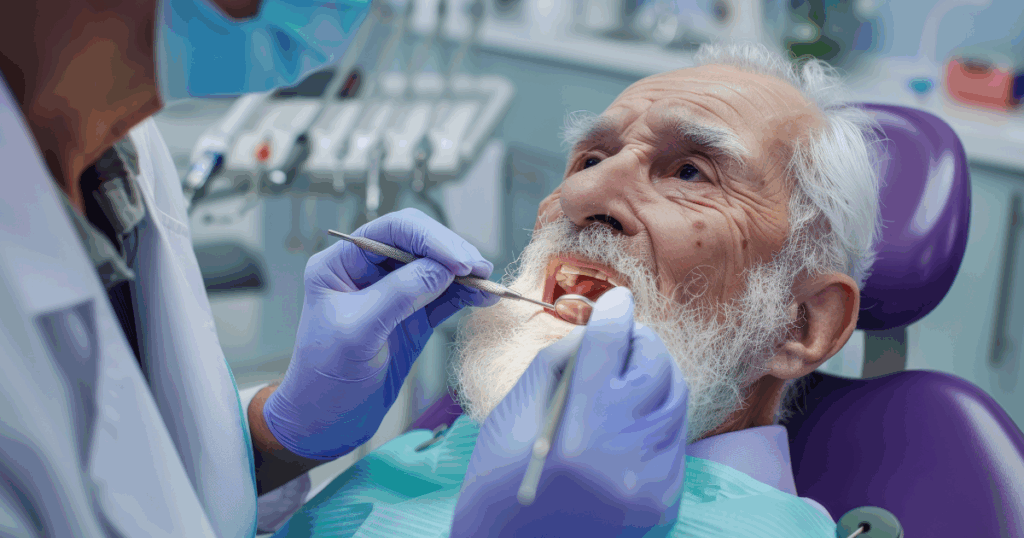
Next comes a gentle check of your gums, bite, and jaw. X rays or 3D scans may be taken to see the bone structure beneath your gums. This helps your dentist understand whether implants, bridges, or dentures will work best for you.
3. Treatment Planning and Options Discussion
Based on the exam, your dentist outlines your Tooth Replacement Options like implants for long-term strength, bridges for fixed stability, or dentures for flexibility and affordability. They’ll talk through costs, timelines, and what fits your lifestyle.
4. Preparing the Mouth (if needed)
Sometimes, extra steps are needed before replacement:
- Tooth extraction if damaged teeth remain.
- Bone grafting to strengthen the jaw for implants.
- Gum treatment if there’s infection or inflammation.
These steps help create a healthy foundation for lasting results.
5. Implant Placement or Prosthetic Fitting
If you choose implants, a titanium post is placed into the jawbone under local anesthesia. For bridges, crowns are placed on neighboring teeth. For dentures, impressions are taken to design a custom fit.
6. Healing and Adjustment Period
With implants, healing takes a few months while the bone bonds with the post. During this time, temporary teeth may be provided so you’re never without a smile. For dentures or bridges, adjustments may be needed to ensure comfort.
7. Final Placement and Smile Reveal
The last stage is attaching your permanent crown, bridge, or denture. This is when your new teeth look, feel, and work like your own letting you chew comfortably, speak clearly, and smile with confidence.
8. Ongoing Care and Maintenance
Your dentist will guide you on daily cleaning routines and schedule follow ups. Just like natural teeth, replacements need care, regular checkups and good oral hygiene keep them strong and lasting.
Best Tooth Replacement Options for Older Adults
Here are the top choices often recommended for seniors:
1. Dentures (Partial & Full)
Dentures are removable and can replace just a few teeth or an entire gum line. They tend to be more affordable and don’t require surgery, but they may shift slightly when eating or speaking.
2. Bridges
Bridges are fixed solutions that fill gaps by anchoring to nearby teeth or implants. They feel more stable and let you eat comfortably, but they do require healthy adjacent teeth.
3. Dental Implants
Think of them as the gold standard. Implants are titanium posts placed in your jaw to anchor a natural-looking tooth. They help preserve bone, feel sturdy, and can last decades sometimes a lifetime.
4. Implant-Supported Dentures
If dentures feel loose, these may be the answer. They clip onto implants for extra hold and chewing strength bringing back up to 100% bite force.
5. Overdentures
These sit over remaining teeth or implants, helping keep your jaw bone healthier and letting you feel more confident while eating or talking.
Choosing the right tooth replacement isn’t one size fits all it’s about what fits your life and gives you back your joy. For many seniors, implants or implant-supported dentures offer unmatched comfort and natural feel. Bridges offer a fixed, reliable choice, while dentures remain a friendly starting point. If maintaining a youthful jaw shape and easy chewing matters to you, options like overdentures or implants could be a path worth exploring. At Gravity Dental Poly Clinic, we walk with you through every stepso your smile stays bright, comfortable, and truly you.