
Your mouth is home to a bustling community of microbes, bacteria, fungi, and viruses and together they form the oral microbiome. Most of these organisms are friendly partners that help digest food and protect your gums. But when balance breaks down, that same ecosystem can contribute to gum disease, tooth decay, and surprisingly, problems far beyond the mouth.
Understanding the oral microbiome helps explain why dental care matters for more than just fresh breath and white teeth. From blood sugar control to heart health and pregnancy outcomes, the mouth can act as an early warning system for the rest of the body. This blog breaks down what the oral microbiome is, how it affects systemic health, how to spot imbalance, and practical steps to protect your whole body wellbeing.
What is the oral microbiome?
The oral microbiome is the collection of microorganisms living in your mouth on your teeth, gums, tongue, and the lining of your cheeks. A healthy microbiome is diverse and balanced: beneficial species keep opportunistic bacteria in check and support normal oral functions.
When this balance shifts, due to poor hygiene, diet, smoking, medications, or disease harmful bacteria can overgrow. That’s when plaque, gum inflammation, and cavities become more likely.
How the oral microbiome affects systemic health
Researchers now see clear links between oral bacteria and conditions elsewhere in the body. Mechanisms include bacterial spread through the bloodstream, chronic inflammation that affects distant organs, and cross talk between oral microbes and the immune system.
Key ways mouth bacteria influence overall health
- Cardiovascular risks: Inflammation and some oral bacteria may contribute to arterial plaque and heart disease risk.
- Diabetes control: Gum inflammation makes blood-sugar control harder — and poorly controlled diabetes worsens gum disease in a two-way relationship.
- Respiratory infections: Aspiration of oral bacteria can aggravate lung conditions, especially in vulnerable people.
- Pregnancy outcomes: Severe gum disease has been linked with higher chances of premature birth and low birth weight.
- Digestive and systemic inflammation: Oral microbes can influence gut microbiota and contribute to systemic inflammatory load.
Signs your oral microbiome may be out of balance
Watch for these red flags — they often precede deeper problems:
- Bad breath that doesn’t respond to brushing or mouthwash
- Frequent bleeding when you brush or floss
- Persistent gum swelling, redness or tenderness
- Loose teeth or exposed roots
- Recurrent mouth sores or white patches
Practical steps to support a healthy oral microbiome
Balancing the oral microbiome is more than antibacterial rinses, it’s about sensible daily habits that reduce harmful bacteria and promote beneficial ones.
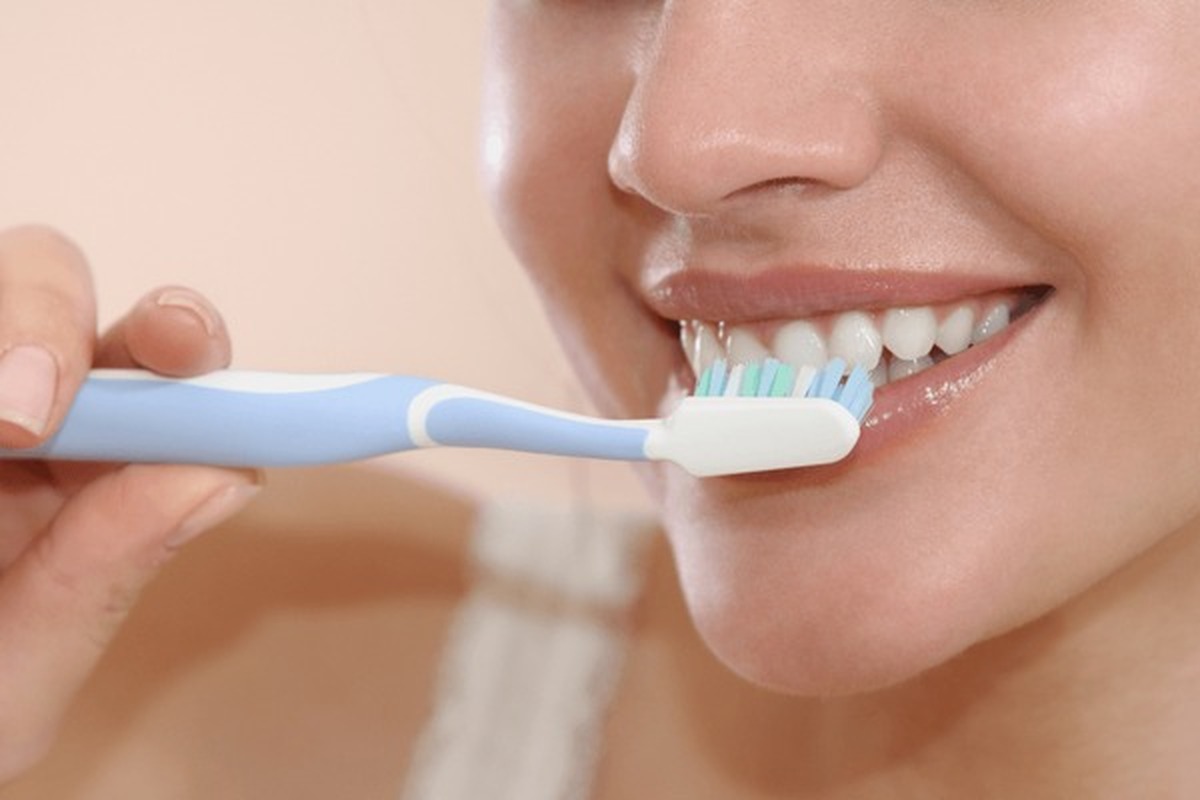
- Brush twice daily with fluoride toothpaste using gentle technique to remove plaque without damaging gums.
- Clean between teeth daily — floss or use interdental brushes to remove hidden plaque where bacteria thrive.
- Limit frequent sugar and acidic snacks which feed harmful bacteria and lower mouth pH.
- Stay hydrated to maintain saliva flow — saliva neutralises acids and helps clear microbes.
- Quit smoking and limit alcohol — both disrupt microbial balance and increase inflammation.
- Maintain regular dental checkups and professional cleanings to remove hardened deposits and monitor gum health.
Are probiotics helpful for the oral microbiome?
Oral probiotics show promise in some studies: certain strains may reduce harmful bacteria and improve breath or gum markers. However, they are adjuncts not replacements for daily hygiene and professional care. Discuss options with your dentist before starting any supplement, especially if you have health conditions or take medications.
When to see a dentist — and what to expect
See your dentist if you notice persistent bleeding, bad breath, gum swelling, or loose teeth. Expect a comprehensive exam, plaque and pocket measurements, and a tailored cleaning plan. If needed, your dentist may recommend medical follow-up or targeted antimicrobial approaches.
Final thoughts: your mouth is part of your body — treat it kindly
The oral microbiome is a dynamic, living ecosystem that plays a big role in your overall health. Small, consistent habits, good brushing and interdental cleaning, sensible diet choices, hydration, and regular dental care support a balanced microbiome and reduce risk for disease beyond the mouth.
Want to check your oral microbiome health? Book a comprehensive oral exam at Gravity Dental Polyclinic and get a personalised plan to protect both your mouth and the rest of your body.