
Living with Autoimmune Diseases adds many challenges and your mouth can be one of the most overlooked places that shows its impact. Conditions like lupus, rheumatoid arthritis, and Sjögren’s syndrome don’t just affect your joints or immune system, they can change saliva flow, gum health, and even your risk of cavities.
If you’re managing an autoimmune disorder in Dubai or anywhere else, understanding how it affects your oral health is key. With the right dental care and lifestyle support, you can protect your smile and avoid serious complications.
Why Autoimmune Diseases Impact Your Mouth
The immune system plays a major role in both autoimmune disease and oral health. When your immune system turns on itself, inflammation becomes persistent. This inflammation can damage gum tissue, reduce saliva production, and make the mouth more vulnerable to infections.
Autoimmune patients often take medications immunosuppressants, steroids or antimalarials which may reduce saliva, weaken the body’s ability to fight bacteria, or slow down healing. As a result, your daily oral care needs to be more vigilant and tailored.
Common Oral Manifestations of Autoimmune Conditions
Depending on the autoimmune disorder, you may experience a range of oral symptoms. Here are some common ones:
Dry Mouth (Xerostomia)
Sjögren’s syndrome is perhaps the most famous cause, but many autoimmune patients report a dry, sticky mouth. Low saliva makes it harder to wash away food particles and neutralize acids, increasing cavity risk.
Gum Inflammation and Periodontal Disease
Chronic inflammation may worsen gingivitis or periodontitis. When your immune system is already overactive or compromised, gum healing can be slower and more unpredictable.
Mouth Ulcers and Lesions
Conditions like lupus, pemphigus vulgaris or Behçet’s disease may cause recurrent painful ulcers or blisters. These can interfere with eating, speaking, and basic hygiene.
Increased Risk of Oral Infections
People with autoimmune diseases may be more susceptible to fungal infections like candidiasis, viral infections like herpes, or opportunistic bacteria. Reduced immune surveillance means minor infections can escalate.
Bone Loss or Loose Teeth
Some autoimmune conditions, especially those affecting bone metabolism or inflammation, may contribute to bone resorption around the teeth. Over time, this can lead to loose teeth or even tooth loss.
Key Strategies to Protect Your Oral Health When You Have an Autoimmune Disease
Managing oral health with an autoimmune condition takes a proactive, multi-pronged approach. Here are practical strategies to help you stay on top of your dental game.
1. Maintain Rigorous Oral Hygiene
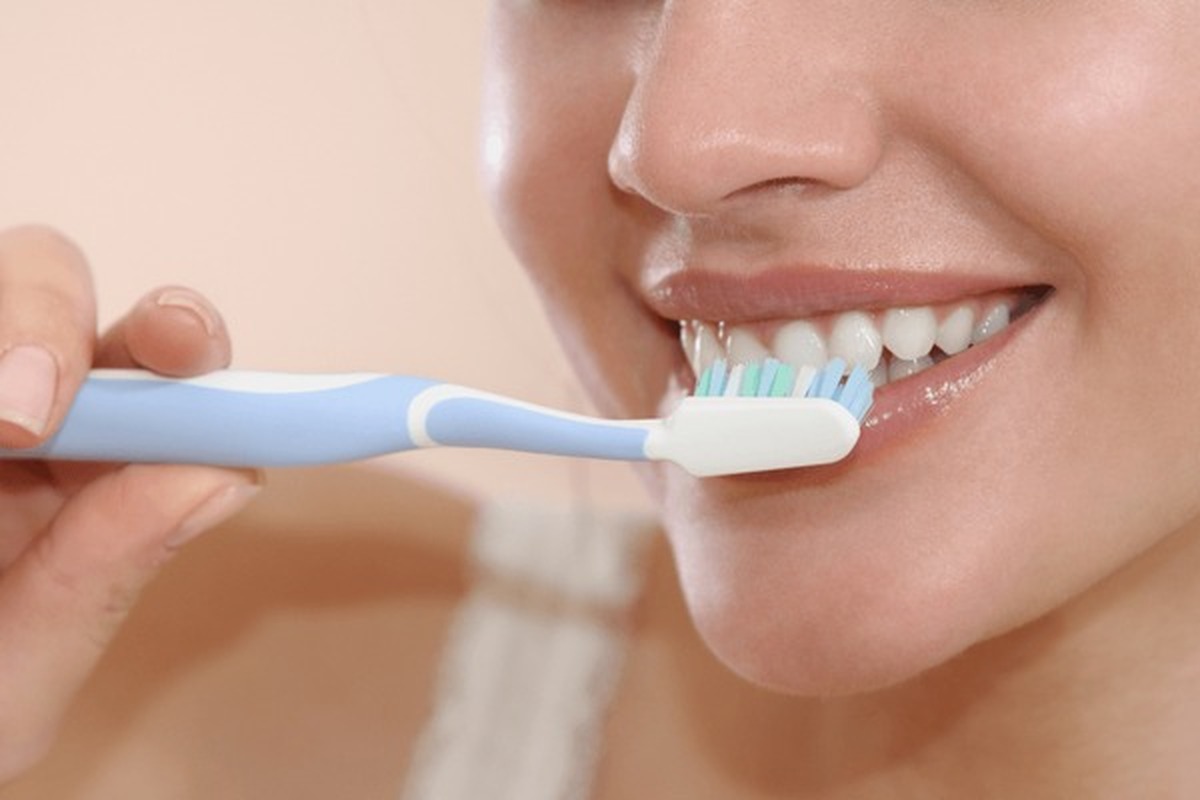
Brush gently but thoroughly at least twice a day using a soft-bristled toothbrush. Use a fluoridated toothpaste to strengthen enamel. Consider an electric toothbrush for more consistent cleaning if manual brushing is difficult.
Floss daily or use interdental brushes especially because low saliva makes plaque control harder. Daily hygiene helps prevent gum disease and reduces bacterial buildup.
2. Stay Hydrated and Use Saliva Substitutes
A constant dry mouth increases decay risk. Drink water regularly throughout the day. Avoid sugary or acidic drinks that worsen acidity and dryness.
If your mouth remains dry, talk to your dentist or physician about using saliva substitutes, gels or sugar-free lozenges. These products can help lubricate your mouth and protect your teeth.
3. Schedule Frequent Dental Check-Ups
For autoimmune patients, a standard six-month check-up may not be enough. Your dentist may recommend visits every 3–4 months to monitor any inflammation, ulcers or bone changes.
During these visits, your dentist should examine your gums, check for early signs of infection, and monitor any medication effects on your oral tissues.
4. Work Closely with Your Medical Team
Your dentist should communicate with your rheumatologist, immunologist or primary physician. Changes in your medication may affect bleeding risk, healing time or immunity — and your dental plan should reflect that.
If you’re starting or changing immunosuppressive drugs, inform your dentist. They may recommend pre-treatment dental clearance to reduce infection risk.
5. Manage Nutrition for Oral Health
A balanced diet helps support both your immune system and your oral tissues. Focus on foods rich in vitamins (especially A, C, D), calcium and omega-3s, which support gum health.
Avoid sugary snacks and acidic foods that increase bacterial activity and acid attacks. If dry mouth is severe, choose moist, nutrient-dense foods rather than crunchy or dry ones.
6. Use Protective Dental Products
Your dentist may recommend antimicrobial mouth rinses (chlorhexidine or other gentle antiseptics) to control bacteria. Fluoride varnish or high-fluoride toothpaste can also be very helpful.
In cases of gum recession or sensitivity, desensitizing products help protect exposed roots and reduce discomfort.
7. Monitor & Manage Oral Lesions
If you have a history of mouth ulcers, inform your dentist immediately when new sores appear. Persistent or unusual lesions may need a biopsy or specialist evaluation.
Maintain a gentle yet effective brushing routine, and avoid spicy or abrasive foods that further irritate lesions.
Checklist for Dubai Patients with Autoimmune Disease
- Share your full diagnosis and medication list with your dentist.
- Hydrate constantly and use saliva substitutes if needed.
- Brush and floss daily, using appropriate tools for comfort.
- Schedule more frequent dental check-ups (every 3–4 months).
- Wear protective dental products as prescribed (flouride gels, rinses).
- Track any mouth soreness, ulcers or dental sensitivity and report them early.
- Maintain a balanced diet that supports both systemic and oral health.
Why Dental Care Matters for Autoimmune Patients — More than Just Teeth
Oral health is not separate from your overall health especially when you have an autoimmune disease. Untreated gum inflammation or infection can add to the inflammatory burden on your body. It may compromise your healing capacity, reduce quality of life, and complicate disease management in autoimmune diseases affected patients.
By partnering with your dentist and medical team, you can catch oral issues early, reduce risk, and support a smoother, healthier journey with your autoimmune condition.
When to Seek Emergency Dental Help
Autoimmune patients should be extra cautious. Contact your dentist if you experience:
- Severe, persistent mouth pain or swelling
- Large or non-healing mouth ulcers or lesions
- Uncontrolled bleeding after dental work
- Signs of infection (pus, fever, swelling)
In such cases, timely intervention is critical. Your dentist may coordinate with your medical provider to ensure safe and effective treatment.
The Gravity Dental Approach for Autoimmune Patients
At Gravity Dental Poly Clinic, we tailor our oral care for patients with autoimmune conditions. We don’t just do a routine exam — we take a complete history, communicate with your physicians, and develop prevention plans that match your systemic health.
Whether dealing with dry mouth, ulcers, or gum inflammation, our team uses the latest tools, gentle techniques, and evidence-based products to support your oral and overall well-being.
A Proactive, Compassionate Smile Care Strategy
Autoimmune diseases bring many challenges, but your oral health doesn’t have to be one of them. With awareness, communication, and a tailored care plan, you can protect your teeth and gums and reduce risk for complications.
Ready to take a proactive approach to your oral health and ? Book a consultation with Gravity Dental today and let’s build a dental plan that supports your autoimmune journey.