
Understanding the Topic
Tooth enamel is the hard, outer layer of your teeth that protects them from decay, sensitivity, and damage. However, when you consume acidic drinks like lemon water, the acid can erode the enamel, making your teeth more susceptible to sensitivity, discoloration, and decay. The acidity in lemon water can be particularly damaging because it can dissolve the minerals in your tooth enamel, leaving it weak and vulnerable. While an occasional glass of lemon water is unlikely to cause significant damage, regular consumption can lead to enamel erosion over time. If you’re experiencing sensitivity, discoloration, or pain when consuming hot or cold foods and drinks, it may be a sign that your tooth enamel is damaged, and treatment is necessary to prevent further deterioration.
Why This Matters for Dubai Patients
For Dubai residents, the hot climate and busy lifestyle can make it challenging to maintain good oral health. The frequent consumption of acidic drinks like lemon water, energy drinks, and soda can exacerbate the problem, leading to tooth enamel damage and other oral health issues. At Gravity Dental Poly Clinic, we’ve seen many patients who have suffered from tooth enamel erosion due to their diet and lifestyle. Our team of experienced dentists is dedicated to educating patients about the importance of oral health and providing personalized treatment plans to address their unique needs. Whether you’re a busy professional or a parent concerned about your child’s oral health, we’re here to help you achieve a healthy, beautiful smile.
5 Key Signs or Situations to Watch For
- Tooth Sensitivity: If you experience pain or discomfort when consuming hot or cold foods and drinks, it may be a sign that your tooth enamel is damaged.
- Discoloration: Yellowing or discoloration of your teeth can be a sign of enamel erosion, making your teeth more susceptible to staining.
- Transparency: If your teeth appear transparent or see-through, it may be a sign that your enamel is thinning.
- Rough Edges: If your teeth have rough edges or feel rough to the touch, it may be a sign that your enamel is eroding.
- Dental Decay: If you notice cavities or dental decay, it may be a sign that your tooth enamel is compromised, and you need to seek professional dental care.
Patient Success Story: A Dubai Experience
The Challenge
Amira, our patient, was concerned about the sensitivity and discoloration of her teeth. She had been drinking lemon water daily for several years and was unaware of the damage it was causing to her tooth enamel.
Our Approach
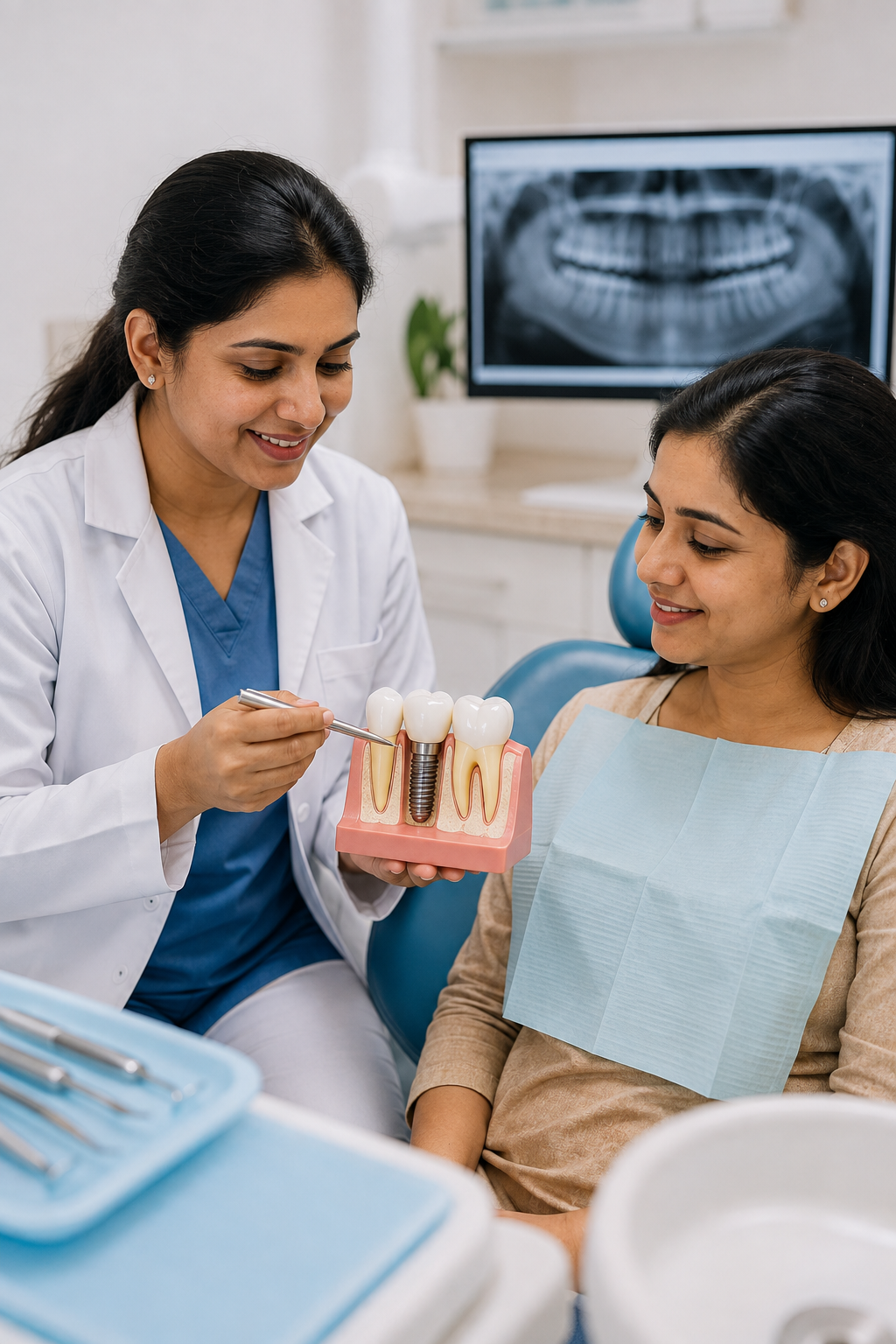
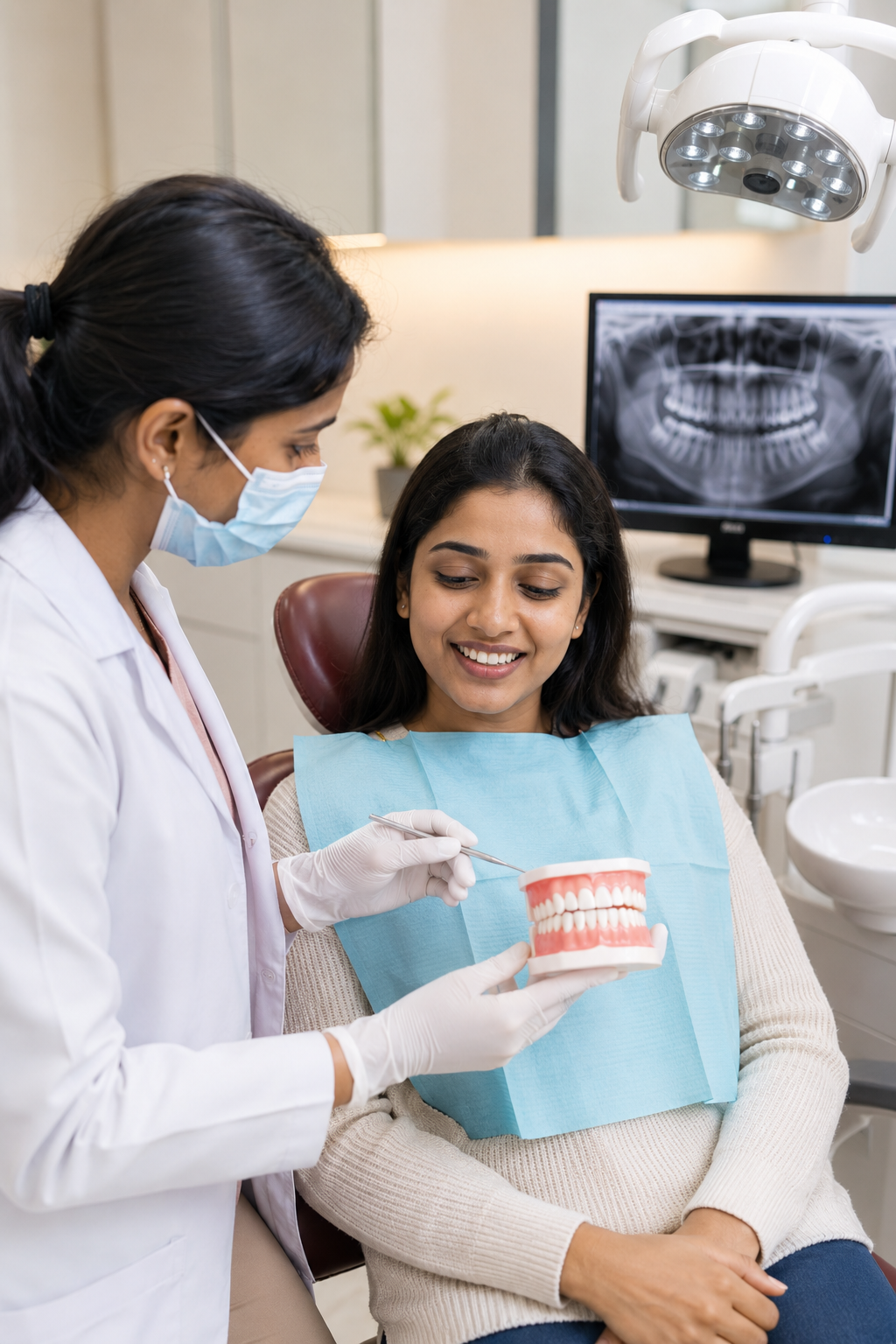
Our team of dentists at Gravity Dental Poly Clinic conducted a thorough examination and created a personalized treatment plan to address Amira’s tooth enamel erosion. We recommended a series of fluoride treatments to strengthen her teeth and advised her to reduce her consumption of acidic drinks.
The Results
After completing the treatment plan, Amira noticed a significant reduction in tooth sensitivity and discoloration. She was able to enjoy her favorite foods and drinks without pain or discomfort, and her smile looked healthier and more radiant than ever before.
How Treatment Works at Gravity Dental Poly Clinic
- Initial Consultation: Our experienced dentists will conduct a thorough examination to assess the extent of your tooth enamel erosion and create a personalized treatment plan.
- Personalized Treatment Plan: We’ll work with you to develop a customized plan that addresses your unique needs and goals, whether it’s to reduce sensitivity, improve discoloration, or prevent further erosion.
- Advanced Care: Our state-of-the-art dental clinic is equipped with the latest technology and equipment to provide you with the best possible care, from fluoride treatments to dental bonding and veneers.
- Aftercare & Follow-Up: Our team will provide you with personalized aftercare instructions and schedule follow-up appointments to ensure that your treatment is successful and your oral health is maintained.
Practical Tips for Patients in Dubai
- Tip 1: Reduce your consumption of acidic drinks like lemon water, energy drinks, and soda to minimize the risk of tooth enamel erosion.
- Tip 2: Practice good oral hygiene by brushing your teeth at least twice a day and flossing once a day to remove plaque and bacteria.
- Tip 3: Avoid delaying dental treatment, as prompt care can help prevent further erosion and damage to your teeth.
- Tip 4: Reduce your anxiety by choosing a trusted dental clinic like Gravity Dental Poly Clinic, where our team is dedicated to providing compassionate and personalized care.
- Tip 5: Book a consultation with our dentists if you’re experiencing tooth sensitivity, discoloration, or pain, and we’ll help you achieve a healthy, beautiful smile.
Frequently Asked Questions
Q: Is this painful?
A: Treatment for tooth enamel erosion is typically painless, and our team will work with you to ensure that you’re comfortable throughout the process.
Q: How long does it take?
A: The length of treatment will depend on the extent of your tooth enamel erosion and your personalized treatment plan.
Q: Is it suitable for children or adults?
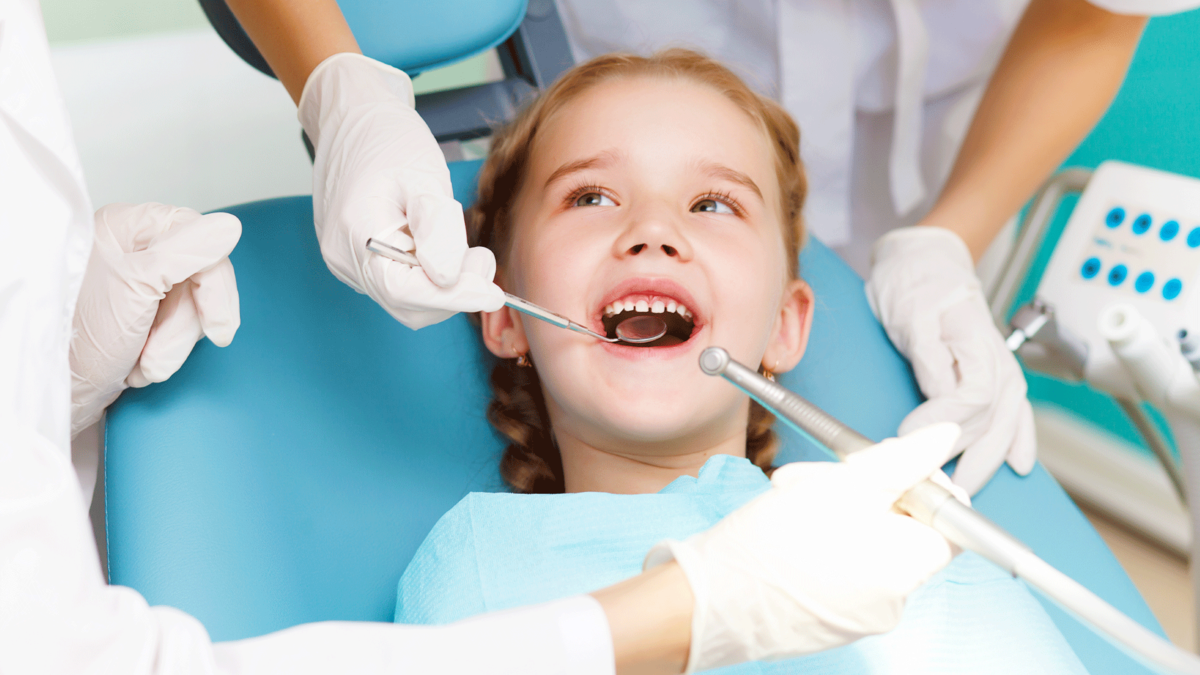
A: Our treatment plans are tailored to meet the unique needs of patients of all ages, from children to adults, and we’re committed to providing compassionate care to everyone.
Conclusion
At Gravity Dental Poly Clinic, we’re dedicated to helping you achieve a healthy, beautiful smile. If you’re concerned about tooth enamel erosion or have questions about your oral health, don’t hesitate to contact us. Remember, timely dental care is essential to preventing further damage and maintaining good oral health. Trust us to provide you with the best possible care, and let us help you achieve a radiant smile that lasts a lifetime.
📞 +971 50 591 2922
🌐 https://gravitydentalpolyclinic.ae/contact-us/
About the Clinic
Gravity Dental Poly Clinic
Trusted Dental Care in Al Nahda 2, Dubai, UAE
Our team of experienced dentists is committed to providing personalized care and exceptional service to patients of all ages. From dental implants to cosmetic dentistry, we offer a wide range of services to meet your unique needs and goals. Visit us today and experience the difference that compassionate, professional care can make in your oral health and well-being.