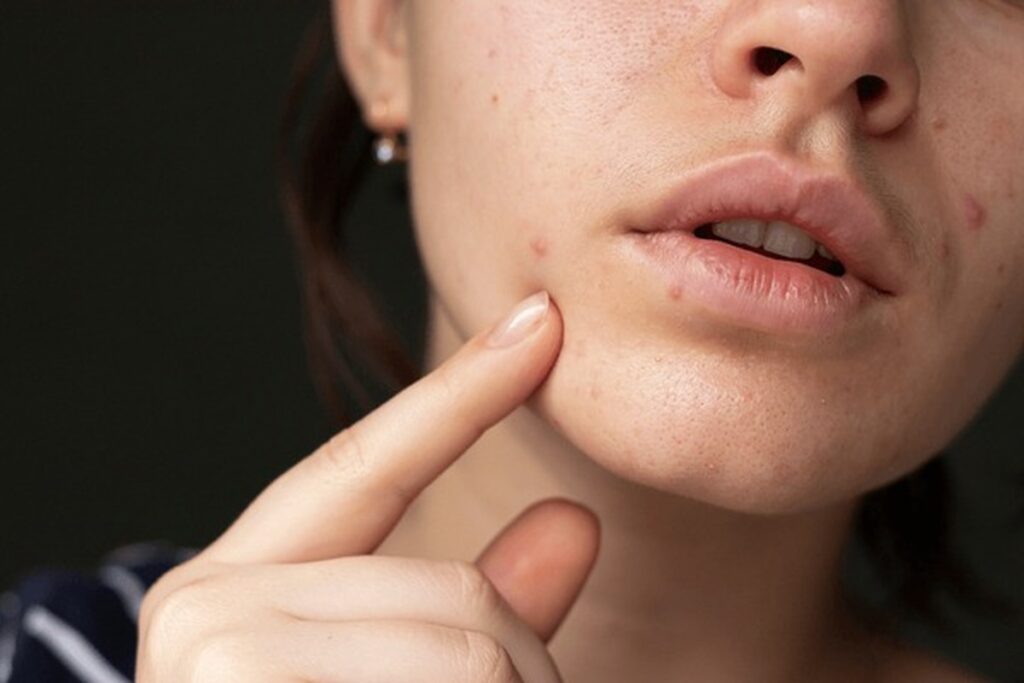
How oral hygiene influences hormonal acne? Most people assume acne is only a skin issue, hormones, stress, or “bad skin days.” But if you’re noticing breakouts along the jawline or around the mouth, your oral health may be quietly shaping what shows up on your skin. The mouth is a high traffic zone for bacteria and inflammation, and when it’s out of balance, the effects can ripple beyond your teeth and gums.
For many, the combination of long work hours, frequent coffee or sweet drinks, air conditioned environments, and travel schedules can push oral hygiene off track without anyone realising it. The result? gums that are more inflamed, breath that feels heavier, and skin that reacts more easily especially when hormones are already driving sensitivity.
The mouth–skin connection: why oral health can influence acne
Your mouth is not separate from the rest of your body. When plaque builds up around the gumline, it can trigger gum inflammation (gingivitis). Inflammation is a common bridge: it can raise the body’s overall inflammatory load, and skin is one of the first places that change can appear as redness, clogged pores, or sharper breakouts.
In practical terms, if your gums are bleeding, puffy, or tender, your body is already dealing with irritation. Add hormonal fluctuations monthly cycles, stress hormones, sleep disruption and your skin may respond with more frequent or more stubborn acne around the jaw and lower face.
What oral factors can worsen hormonal acne (and how to spot them)
Not every breakout is caused by the mouth but several oral patterns commonly make hormonal acne harder to control. Here are the most relevant triggers to watch for:
1) Gum inflammation (gingivitis) that keeps the body “on alert”
Bleeding gums, redness, and swelling are clear signs that oral tissues are inflamed. When inflammation stays active, your skin may react more strongly to hormonal shifts, producing deeper or more persistent breakouts.
2) Plaque and bacterial imbalance around the gumline
Daily plaque buildup can change the microbial balance in the mouth. When harmful bacteria gain the upper hand, irritation rises—and the skin can reflect that imbalance through increased redness or clogged pores.
3) Dry mouth and reduced saliva protection
Saliva helps wash away food particles and neutralise acids. Dehydration (common during travel or in dry, air-conditioned environments) reduces this natural protection, making the mouth a more hostile environment for oral tissues and that can indirectly aggravate skin reactivity too.
A simple 6-step routine to support clearer skin
You don’t need a complicated plan to reduce oral-inflammation pressure. These six steps are practical, affordable, and easy to follow even on busy Dubai mornings:
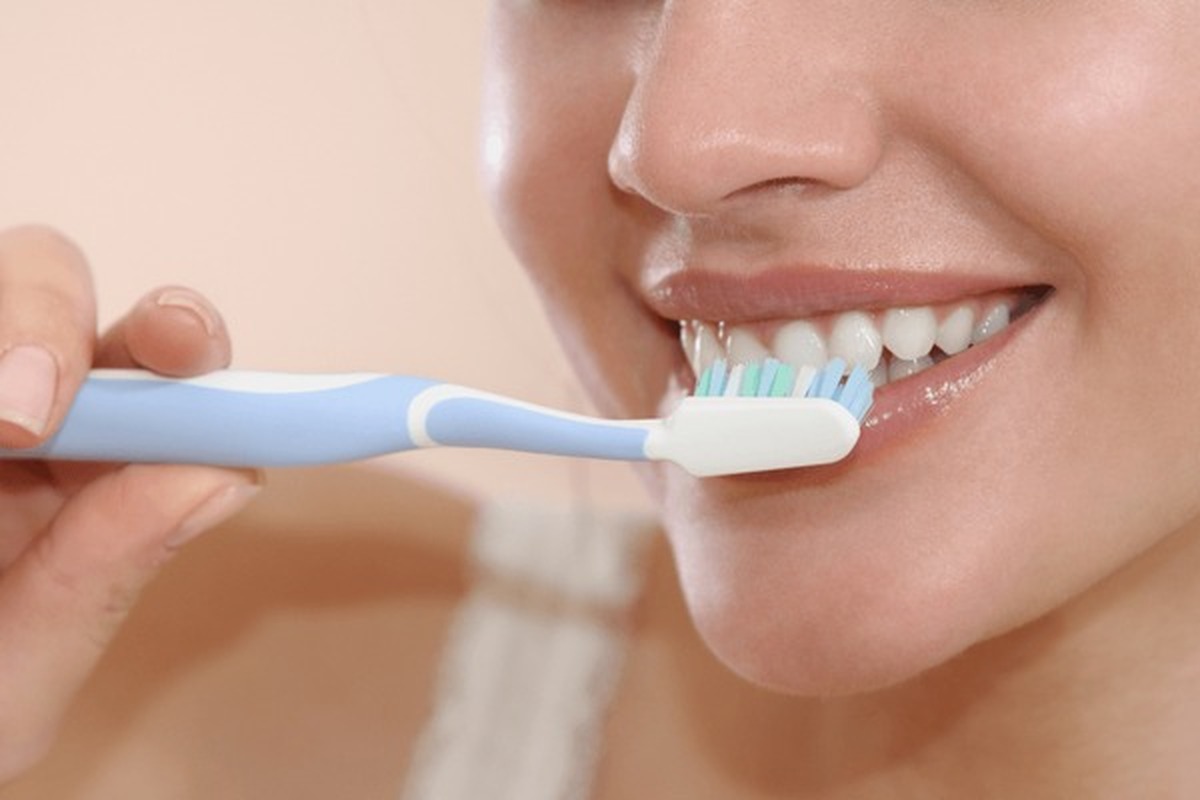
- Brush twice daily (2 minutes each time) with a soft brush and gentle, gum-focused technique.
- Clean between teeth daily (floss or interdental picks) to remove plaque where the brush can’t reach.
- Finish with an antibacterial/anti-inflammatory mouth rinse if your dentist recommends it (especially when gums are irritated).
- Hydrate consistently—carry water during work hours and flights to reduce dry mouth.
- Limit frequent sugary drinks and sweet coffee options (small changes here can reduce both oral irritation and skin flare triggers).
- Keep regular dental checkups so plaque and early gum inflammation don’t become a long-term cycle.
When hormonal acne is flaring: what to check in your mouth first
If you’re dealing with recurring jawline acne, use this quick “mouth audit” before changing skincare products repeatedly:
- Are your gums bleeding or feeling tender after brushing?
- Do you notice persistent bad breath even after brushing?
- Have you skipped cleanings or flossing for more than a week or two?
- Are you drinking more coffee, sweet tea, or flavoured drinks than usual?
- Do you feel more dry mouth after long flights or long hours in air-conditioning?
Checklist for Dubai patients: protect both gums and skin
- Schedule a dental scaling/cleaning if it’s been more than 6 months.
- Ask for a gum health assessment if you notice bleeding or tenderness.
- Carry water during long workdays and flights to reduce dry mouth.
- Reduce frequent sweet drinks (even “healthy” flavoured options can irritate gums over time).
- Keep a simple daily routine (brush–clean between teeth–rinse) rather than changing products every week.
- Track patterns: when gums improve, note whether skin flares reduce too.
When to seek professional help (dental + skin support)
If breakouts persist despite consistent oral care, it’s worth combining dental evaluation with a dermatologist review, especially if you have painful cystic acne, sudden skin changes, or signs of hormonal imbalance. A coordinated approach often finds the missing trigger faster and prevents months of trial-and-error.
Take action today: your mouth can support your skin
Hormonal acne can feel unavoidable, but your daily oral hygiene is one lever you can control and it may be the missing piece that reduces inflammation, calms irritation, and improves how your skin responds to hormonal shifts. If you’re ready to break the cycle, start with a focused gum check and a clear routine you can stick to.
Book a gum health and oral hygiene assessment at Gravity Dental Polyclinic and let our team help you build a plan that supports both a healthy smile and healthier skin.