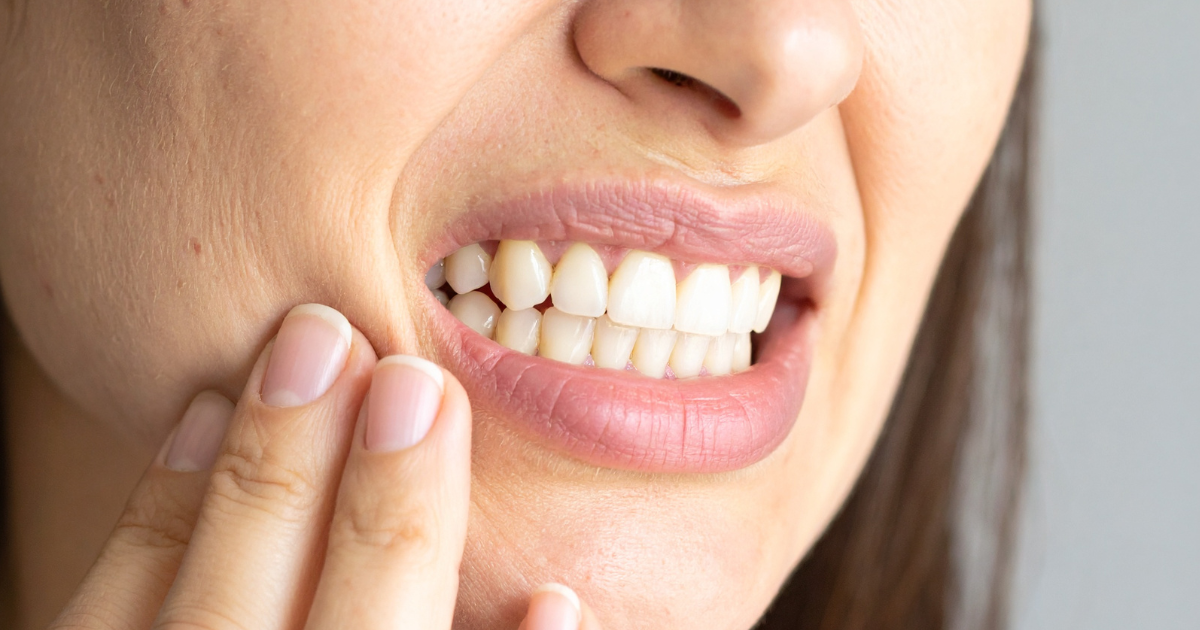

Can Dental Problems Cause Headaches or Migraines? The Answer is Yes
Ever get a pounding headache and wonder why? You might not expect it, but sometimes those pain pangs start in your mouth. It happens more often than you think. When teeth aren’t right, your jaw hurts, and that pain can spread to your head.
Do you know those headaches that seem to pop up out of nowhere? You wake up feeling fine, but by lunchtime, there it is that dull ache or sharp throb that just won’t quit. You might blame it on screen time, heat, or even dehydration especially in Dubai’s long summers. But have you ever thought your mouth could be the real troublemaker? Dental issues like tooth decay, infections, or jaw tension can trigger chronic headaches and even migraines
The Connection Between Dental Problems and Headaches and How to Prevent Them
Dental problems can indeed contribute to headaches, primarily due to shared nerve pathways and muscle strain. Conditions like bruxism, teeth grinding, TMJ disorders, and even impacted wisdom teeth can cause referred pain to the head or trigger tension headaches. Dental issues like infections, misaligned bites, or jaw tension TMJ are often the hidden triggers behind Headaches or Migraines you can’t shake.
Why Your Tooth Trouble Can Hurt Your Head
- Nerve pathways: The trigeminal nerve links your teeth and jaw to your head. When a tooth is infected especially a molar near the upper jaw you can feel pain creeping into your temples or forehead
- Abscess and infection: A dental abscess is a pocket of pus from a tooth or gum infection. This can cause throbbing pain that radiates to your head and even shifts into migraine territory
- TMJ and grinding: Clenching your jaw or grinding teeth strains muscles connected to your head and neck. That leads to a constant pressure type headache.
- Sinus involvement: Infections in upper teeth can spread to your sinuses, causing pressure and tension that feel just like a sinus headache.
How to Spot a Dental Triggered Headache
- If your headache comes with tooth sensitivity, gum swelling, or jaw clicking when chewing, it’s a sign to check in with your dentist
- Head pain after eating, or when tapping a tooth, often means something’s off in your mouth
- Morning headaches coupled with jaw stiffness.
How to Prevent Dental Related Headaches
- Treat infections fast: Cavity or gum issues should never sit untreated—those pathogens can spread and make your head pay so treat it immediately
- Use a night guard: If you clench or grind, a mouthguard can stop jaw strain and ease tension
- Fix your bite: Braces or aligners can correct misalignment that causes unbalanced jaw muscles
- Keep up hygiene: Brushing, flossing, and regular dentist visits help prevent cavities, gum disease, and abscesses before they start so visit dentist if you feel any discomfort.
Headaches aren’t always just about stress, lack of sleep, or staring at screens too long. Sometimes, they start right inside your mouth because your mouth and head share a lot of nerves, especially around the jaw and temples. That’s why a toothache sometimes feels like a headache. Small things like tooth decay, gum infections, or even jaw clenching can quietly trigger the pain you feel in your head. The fix? Regular dental checkups, treating cavities early, and paying attention to gum health can help you avoid these annoying pains.A little extra care for your teeth and gums like regular cleanings and treating small problems before they grow can help stop those headaches from showing up in the first place. It’s a reminder that your dental health and your overall well being are more connected than you might think.