
Dental infections can start quietly, often going unnoticed until pain, swelling, or complications arise. In Dubai, with busy lifestyles and dietary habits that sometimes increase oral risks, early detection and timely management are essential. Knowing the warning signs, causes, and preventive strategies can save your teeth—and your overall health.
Why Dental Infections Can Be Dangerous
When bacteria invade the teeth, gums, or surrounding tissues, the resulting infection can spread quickly. Untreated infections may lead to abscesses, tooth loss, or even systemic issues affecting the heart or brain. In fact, studies show that oral infections can exacerbate chronic conditions like diabetes or cardiovascular disease.
Common Causes of Dental Infections
Several factors increase the risk of developing oral infections:
- Poor Oral Hygiene: Inadequate brushing and flossing allow bacteria to accumulate.
- Untreated Cavities: Tooth decay can penetrate deep layers, reaching nerves and causing infection.
- Gum Disease: Gingivitis or periodontitis weaken gum tissue and allow bacteria to enter the bloodstream.
- Cracked Teeth or Dental Trauma: Openings in the enamel provide an entry point for bacteria.
- Medical Conditions: Diabetes, immune disorders, or dry mouth increase susceptibility.
Spotting the Early Signs of Dental Infections
Early recognition is critical to preventing complications. Watch for these symptoms:
1. Persistent Toothache
A constant or throbbing pain in a tooth or jaw can indicate that bacteria have reached the dental pulp.
2. Swelling and Redness
Inflamed gums or facial swelling near a tooth may signal an abscess or gum infection.
3. Bad Taste or Odor
An unpleasant taste or persistent bad breath, especially when combined with pain, can be a warning of infection.
4. Sensitivity to Hot or Cold
Sharp, lingering pain when consuming hot or cold foods may suggest enamel erosion or nerve involvement.
5. Fever or Malaise
Systemic symptoms like low-grade fever, fatigue, or swollen lymph nodes indicate that the infection may be spreading.
Handling Dental Infections: Step-by-Step
Once you notice symptoms, immediate action can prevent escalation:
- Schedule a Dental Appointment: Early professional assessment ensures accurate diagnosis and targeted treatment.
- Follow Prescribed Medication: Antibiotics or pain relievers may be necessary, depending on infection severity.
- Maintain Oral Hygiene: Gentle brushing, flossing, and antiseptic mouth rinses help control bacterial growth.
- Monitor Symptoms: Track any changes in pain, swelling, or systemic signs.
- Consider Dental Procedures: Root canal therapy, tooth extraction, or drainage of abscesses may be required.
Preventive Strategies to Avoid Dental Infections
Prevention is always better than treatment. Implementing daily oral care and lifestyle habits can dramatically reduce infection risks.
Brushing and Flossing
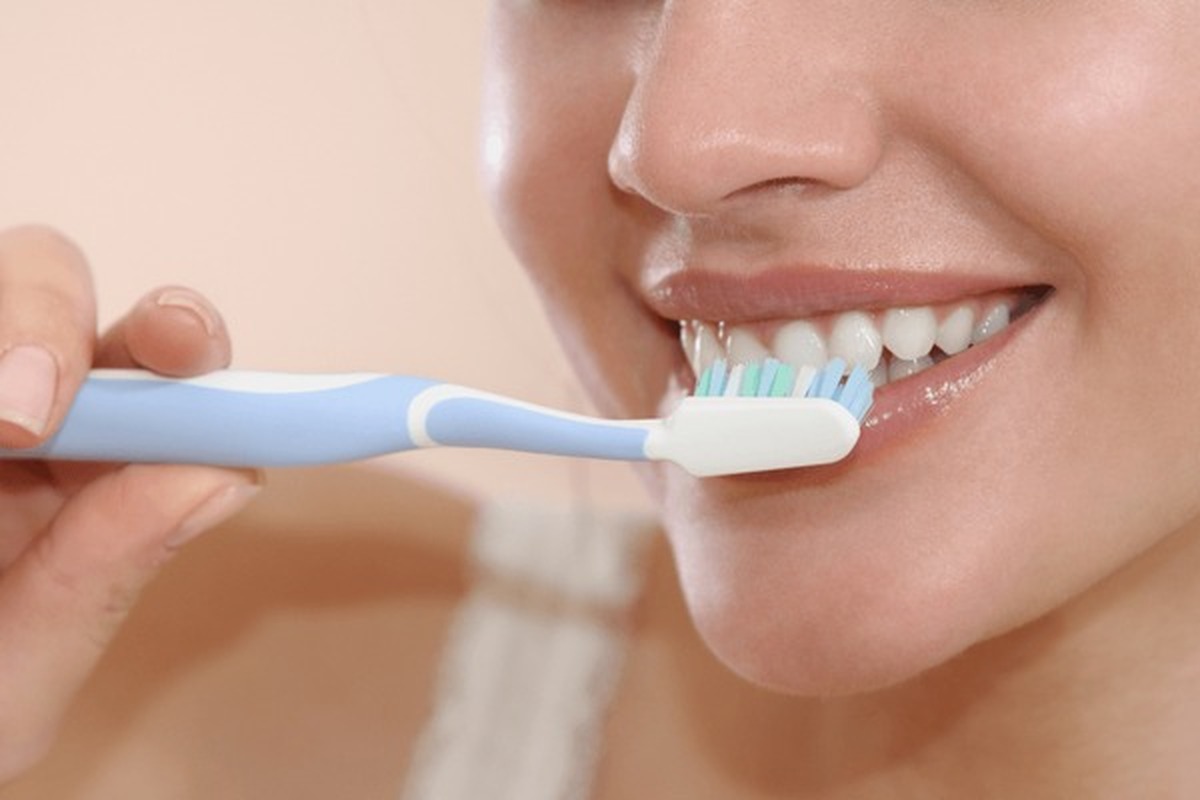
Brush at least twice daily using fluoride toothpaste and a soft-bristled brush. Floss once daily to remove plaque and food debris from between teeth.
Regular Dental Check-Ups
Visiting a dentist every 6 months allows early detection of cavities, gum disease, and other risk factors. In Dubai, clinics like Gravity Dental Poly Clinic provide comprehensive preventive care, including cleanings, x-rays, and patient education.
Balanced Diet
Limit sugary foods and drinks, which feed bacteria, while consuming nutrient-rich foods that strengthen teeth and gums.
Hydration and Saliva Flow
Drink water regularly to keep the mouth hydrated. Saliva helps neutralize acids and wash away bacteria.
Immediate Attention for Dental Trauma
If a tooth is chipped, cracked, or knocked out, seek urgent dental care. Even minor trauma can lead to infection if untreated.
Checklist: Dental Infection Prevention and Management
- Brush teeth twice daily with fluoride toothpaste.
- Floss or use interdental brushes once daily.
- Visit the dentist every 6 months for check-ups and professional cleaning.
- Monitor teeth and gums for pain, swelling, or unusual changes.
- Maintain a balanced diet low in refined sugars.
- Stay hydrated to support saliva production and oral immunity.
- Seek immediate dental care after trauma or signs of infection.
Special Considerations for Dubai Patients
Dubai residents may face unique factors influencing dental infections. High consumption of sugary beverages, coffee culture, and stress-related bruxism can elevate risks. Additionally, access to modern dental clinics and bilingual patient education ensures timely care. Gravity Dental Poly Clinic emphasizes both prevention and rapid treatment for residents of all ages.
Common Treatments for Dental Infections
The treatment plan depends on infection type and severity:
- Antibiotics: Control bacterial spread, especially in systemic infections.
- Root Canal Therapy: Removes infected pulp while preserving the tooth structure.
- Tooth Extraction: Necessary when the tooth cannot be saved or infection is severe.
- Drainage of Abscess: Relieves pressure and eliminates pus accumulation.
- Preventive Care Post-Treatment: Ongoing hygiene and follow-up visits prevent recurrence.
Recognizing High-Risk Patients
Certain populations require extra vigilance:
- Children with limited oral hygiene habits.
- Older adults with chronic conditions or dentures.
- Patients with diabetes or compromised immune systems.
- Individuals with poor dietary habits or dry mouth conditions.
Dental infections can escalate quickly, causing pain, tooth loss, and systemic health issues. Early recognition, proper oral hygiene, routine dental visits, and timely treatment are critical. By following preventive measures and consulting experienced dentists in Dubai, such as Gravity Dental Poly Clinic, you can protect your oral health and prevent minor issues from becoming major problems.