
Pregnancy is a joyful time, but it also brings new challenges—especially when it comes to your oral health. Hormonal shifts, gag reflex sensitivity, and increased dental risk can make routine care feel tricky. Yet, with the right knowledge, you can protect both your smile and your baby’s health.
Why Dental Care Matters During Pregnancy
Your body goes through many changes when expecting, and your mouth is no exception. Increased blood flow and hormonal fluctuations can cause gums to swell or bleed—a condition called pregnancy gingivitis. Poor gum health isn’t just uncomfortable; studies show a connection between severe periodontal disease and risks like preterm birth. (CDC estimates ~18% of pregnant women develop some gingivitis).
Additionally, morning sickness exposes teeth to acid attacks more often. Without mindful care, enamel erosion becomes a real risk.
When Should You (pregnant women) See the Dentist? Timing & Safety
First Trimester (0–13 weeks)
The first trimester is crucial for your baby’s development, so many dentists defer elective procedures. However, if you already have pain, infection, or swelling, your dentist may treat it with safe protocols. Always inform the dentist of your pregnancy and physician.
Second Trimester (14–27 weeks)
This is the safest window for dental treatments like fillings, cleanings, and crowns. Your gag reflex often lessens, and risks to the fetus are lower.
Third Trimester (28 weeks onward)
Treatment is still possible, but you might feel less comfortable reclining for long. Shorter sessions and propped seating help. Avoid long procedures that cause stress or fatigue.
Safe & Smart Practices During Pregnancy
Here’s your pregnancy dental checklist. Follow these to protect your oral health:
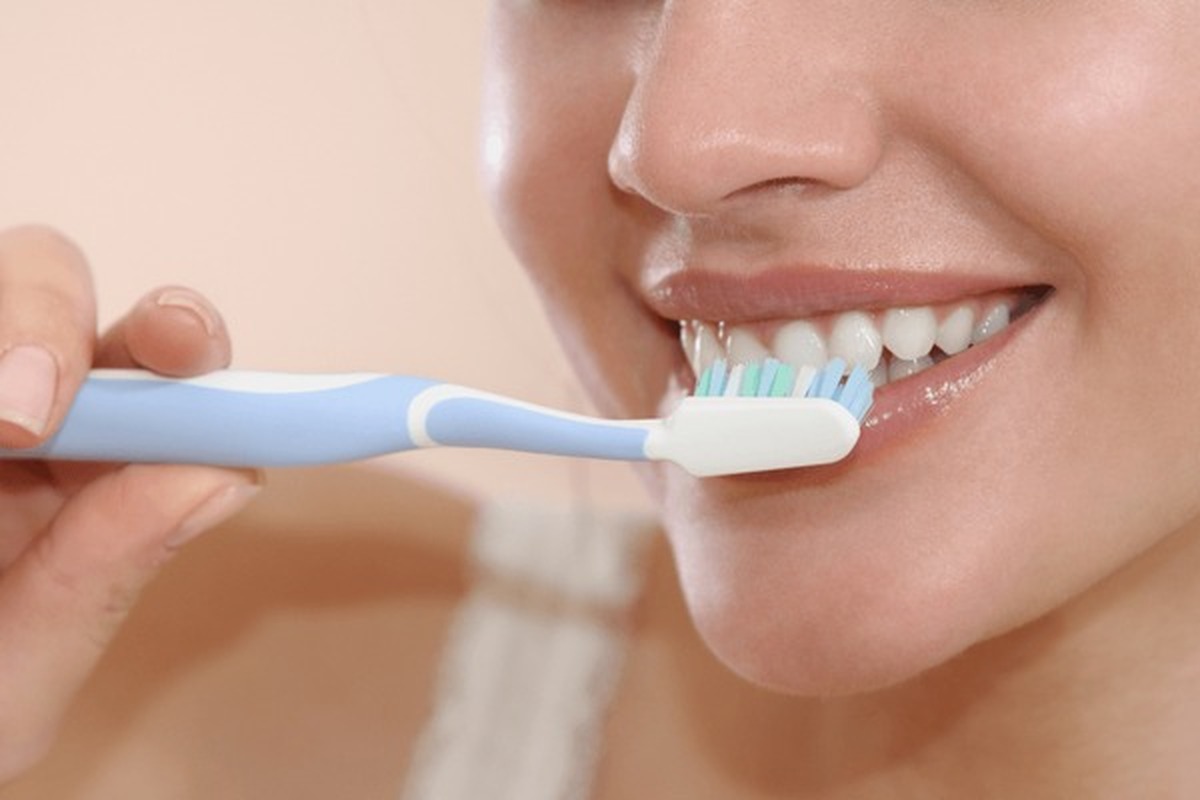
- Maintain twice-daily brushing with a soft brush and fluoride toothpaste.
- Floss gently each night to disrupt plaque buildup.
- Rinse with a mild, alcohol-free mouthwash (ask your dentist for recommendations).
- After vomiting, rinse with water or baking soda rinse; don’t brush immediately.
- Eat balanced meals, limit sugary snacks, and chew sugar-free gum with xylitol if safe.
- Keep your dental appointments—inform staff about pregnancy.
Treatment Options & Precautions
Some common dental interventions are safe during pregnancy when handled carefully:
- Local anesthesia: Lidocaine is generally considered safe in pregnancy for necessary treatment, under dentist and physician oversight.
- Fillings & crowns: These are okay in the second trimester.
- Dental X-rays: Use of lead aprons and modern digital systems reduces radiation risks, but nonurgent imaging is often deferred until postpartum.
- Extractions: Performed only when needed—avoid unless infection or pain demands it.
Postpartum Follow-Up & Long-Term Care
Once your baby arrives, get a full dental evaluation. Pregnancy can unmask or worsen underlying conditions, so postpartum checkups help you catch any residual issues like enamel erosion or gum recession.
Checklist for Dubai Clinics & Patients — Pregnancy Dental Care
- Ensure the dental clinic is MOH licensed and offers obstetric collaboration.
- Provide a calm, climate-controlled waiting area (helpful in hot weather).
- Offer flexible scheduling (morning slots tend to be more comfortable).
- Use bilingual staff or translated consent forms (English/Arabic).
- Maintain lead aprons and modern low-dose digital X-ray systems.
- Communicate insurance or clinic packages for maternal care (UAE often includes maternity benefits).
- Regularly promote pregnancy safe-care content on social and blog with relevant keywords.
If you’re expecting and want to keep your oral health strong, book a prenatal dental consult at Gravity Dental. Our team works with obstetricians to ensure safe care for you and your baby.