
Waking up with a bad taste in your mouth can be annoying, but if it sticks around throughout the day, it’s more than just inconvenient it could be a sign of something deeper. Many people describe it as bitter, metallic, or just unpleasant, and while it might seem like a small issue, it can affect your appetite, confidence, and even how you interact with others.
The truth is, a persistent bad taste doesn’t always come from poor oral hygiene alone. It can be linked to everyday factors like what you eat or drink, medications you’re taking, or habits such as smoking. Sometimes, it may even point to underlying health concerns like acid reflux, sinus infections, or dry mouth.
The good news? In most cases, the problem is manageable once you understand its root cause. Simple adjustments like improving your dental care routine, staying hydrated, or seeking timely treatment can make a huge difference. In this blog, we’ll explore the most common causes of a bad taste in the mouth and share practical solutions to help you feel fresh and confident again.
What Causes a Bad Taste in Your Mouth — and How to Get Rid of It
If you’re noticing a bad taste, start by asking: is it temporary or stubbornly persistent? A metallic, sour, or just plain unpleasant taste could stem from various causes:
- Poor Oral Hygiene & Dental Issues — Skipping brushing or flossing often leads to gum inflammation or infections, which can create foul tastes and bad breath. Conditions like abscesses and tooth decay are common offenders.
- Dry Mouth — Saliva helps wash away bacteria. When your mouth goes dry, it becomes a playground for bacteria, leading to that stale or odd taste lingering around.
- Medications — A surprising number of drugs — like antibiotics, antihistamines, blood pressure meds, vitamins heavy in metals, and more — can cause taste disturbances, from bitter to metallic.
- Health Conditions & Hormones — Conditions like acid reflux, oral thrush, tonsil stones, pregnancy, menopause, and even specific infections like hepatitis can all throw your taste off balance.
- Other Causes — Sometimes it’s an odd diet, flushing after brushing with certain toothpaste, or tongue coating. Hormonal shifts, aging, and even neurological causes can tweak taste too.
Foods, Medications & Habits That Reportedly Cause a Bad Taste in Mouth
A lingering bad taste doesn’t always mean something serious — it’s often linked to what you eat, the medicines you take, or daily habits.
- Foods: Garlic, onions, coffee, spicy dishes, dairy, and seafood are common culprits. They either coat your tongue, dry your mouth, or release strong compounds that stick around.
- Medications: Antibiotics, blood pressure drugs, antidepressants, and allergy meds can leave a bitter or metallic taste, often by drying out your mouth. Supplements with iron, zinc, or copper may also do this.
- Habits: Skipping brushing, smoking, drinking alcohol, or not cleaning your tongue all create an environment where bacteria thrive, leaving unpleasant tastes. Dehydration makes it worse since saliva helps wash away food particles.
How to Freshen Up: Tips to Fix That Bad Taste
Here’s how you can tackle it:
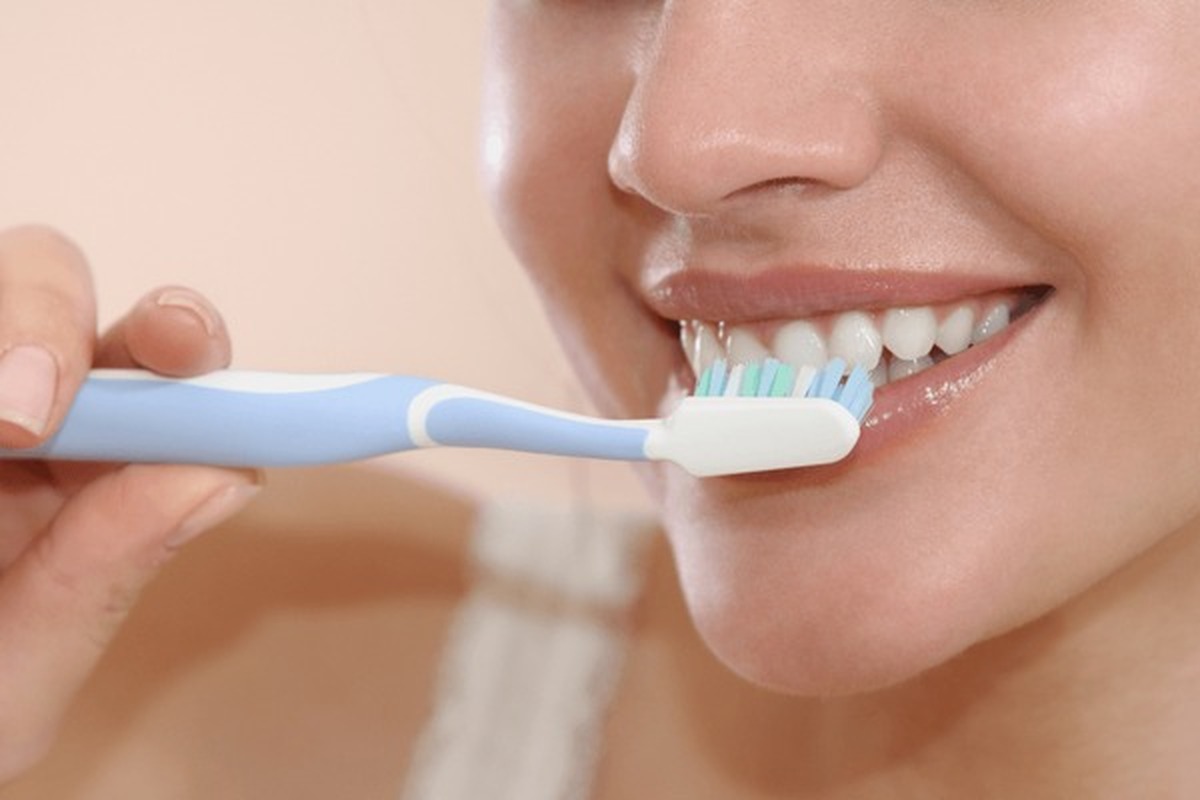
- Brush, Floss & Scrape the Tongue — A solid clean routine clears bacteria and buildup that often cause taste issues.
- Stay Hydrated or Chew Sugar-Free Gum — Both boost saliva, helping rinse away offending flavors.
- Rinse After Meals — Especially after acidic or strongly flavored foods, a quick water rinse can reduce lingering taste.
- Check Your Meds — If you suspect a prescription or supplement is to blame, talk to your doctor about possible substitutions.
- Medical or Dental Evaluations — Persistent issues? It’s more than just an annoyance think infections, reflux, or hormonal sources; have a check-up.
A bad taste in your mouth isn’t something you have to live with. From adjusting your diet and breaking unhealthy habits to practicing consistent oral hygiene, small steps can go a long way in restoring freshness. If the issue continues despite these changes, visiting a dentist is the best way to identify and treat the root cause. Remember, your mouth is often the first place to show signs of health changes taking care of it not only keeps your smile bright but also supports your overall well-being.