You’ve spent months or maybe even years straightening your teeth with braces or aligners, only to notice later that they’ve started to shift out of place. It’s frustrating, right? This is where retainers come in. Many people wonder if simply wearing their retainer again can guide their teeth back to where they belong. The short answer: yes, but only under certain conditions.
Retainers are designed to hold your teeth in their new position after orthodontic treatment, but they can sometimes correct minor shifting if caught early. If your teeth have moved just a little, slipping on your retainer consistently might help nudge them back into alignment. But if the movement is more noticeable, a retainer alone may not be enough; you might need professional guidance or even additional orthodontic treatment.
In this blog, we’ll break down the role of retainers, the different types available, and how long it may take to see results. We’ll also share tips on knowing when a retainer is enough and when it’s time to book a dental visit. If you’re in Dubai and wondering about your next step, Gravity Dental Poly Clinic is here to guide you.
What Are Retainers? Types of Retainers
Retainers are custom-made devices that help keep your teeth in their straightened positions. They come in two main styles: removable and fixed.
Removable Retainers
- Hawley Retainers
These are the “classic” retainers you may remember—made of a thin metal wire that sits across the front of your teeth and an acrylic plate that rests against the roof of your mouth or behind your lower teeth. What makes Hawley retainers special is that they are durable, easy to adjust, and long-lasting. If your teeth shift slightly, your dentist can tweak the wire to help guide them back into alignment. While they’re a bit more visible compared to clear options, many patients appreciate their reliability and strength.
- Clear Plastic Retainers (Essix or Vacuum-Formed)
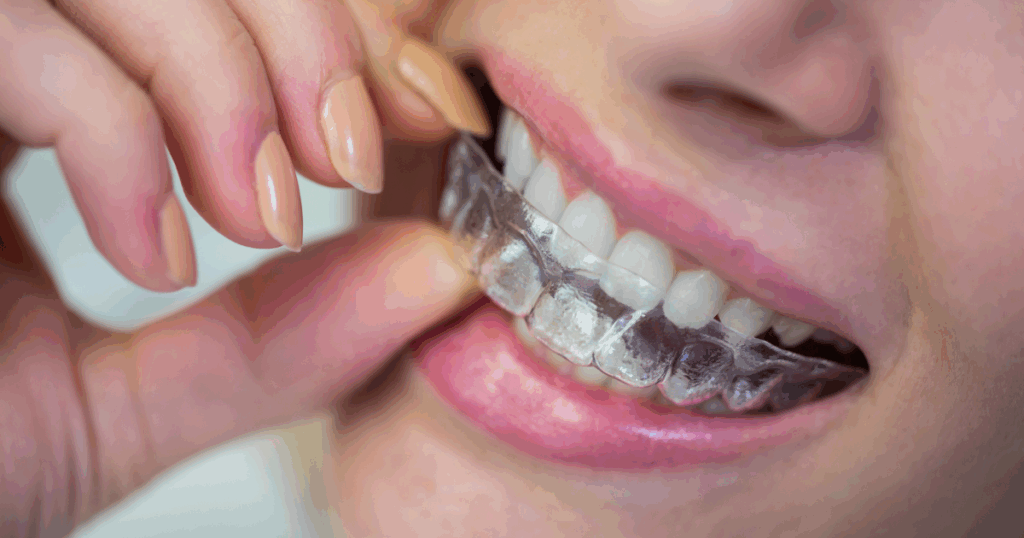
These retainers look a lot like clear aligners (such as Invisalign), but their job is to hold your teeth in place rather than actively move them. Made from transparent plastic, they are lightweight, nearly invisible, and fit snugly over your teeth. Many patients love them because they don’t interfere with smiling or speaking. The main drawback is that they may wear out faster than Hawley retainers and can crack if not handled carefully.
Fixed Retainers
Bonded or Permanent Retainers
Unlike removable types, fixed retainers are small wires bonded to the back of your front teeth. Because they stay in place 24/7, they remove the risk of forgetting or losing them. This makes them a great option for patients who want to ensure long-term stability without the daily responsibility of wearing a device. The only extra effort needed is careful brushing and flossing to keep the area clean, since food particles can get trapped around the wire.
Each type has its perks and maintenance quirks. Removables are easy to clean but must be remembered. Fixed ones stay put but can complicate flossing
How Long Will It Take for Teeth to Move Back With a Retainer?
The timeline really depends on how much your teeth have shifted and how consistently you wear your retainer.
- Minor shifts: If your teeth have only moved slightly, a retainer can often guide them back within a few weeks to a few months of regular wear. You may start noticing improvements in just a couple of weeks.
- Moderate movement: If your teeth have shifted more noticeably, it may take several months, and sometimes a new retainer or even orthodontic treatment is required.
- Major shifts: Retainers are not designed to fix big changes. In those cases, braces or aligners may be needed again.
Most orthodontists recommend wearing your retainer full-time (day and night) for 4–6 months after treatment, then switching to nightly wear indefinitely. If your retainer feels uncomfortably tight or no longer fits, don’t force it. It’s a sign your teeth have moved too much, and you should see your dentist.If you’ve only skipped wearing your retainer for a short time, slipping it back in can start nudging your teeth back within a few weeks to several months as long as it still fits well.
But if your retainer no longer fits, forcing it can cause damage. In those cases, you’ll need to visit a dentist for a new retainer or perhaps a fresh plan.
Remember: retainers aren’t designed to move teeth the way braces or aligners do. They’re meant to maintain alignment, though they can help with minor shift reversals
If your retainer doesn’t fit or feels tight, don’t force it. Reach out for guidance or a replacement. Your smile deserves gentle handlingRetainers do more than hold your smile in place; they can help reverse minor shifts when you’re consistent. Comfortable and practical, they’re the silent guardians of your alignment. At Gravity Dental Poly Clinic, we’ll guide you in choosing the right retainer and help maintain your smile’s perfect fit over time. If your retainer isn’t working like it used to, drop by we’ve got your back.