Bariatric surgery is frequently recognized as a transformative operation for individuals who are dealing with obesity and its associated health challenges. This surgical intervention can result in substantial weight loss, enhanced health results, and an overall increase in one’s quality of life.
However, a factor that is occasionally neglected in discussions about bariatric surgery is its potential effects on dental health, an area that can significantly influence overall well-being. In this article, we aim to delve deeper into the various ways bariatric surgery may affect your teeth and gums, as well as offer valuable advice on how to uphold excellent oral health following the procedure.
Understanding Bariatric Surgery
Before we delve into the dental implications, let’s take a moment to understand what bariatric surgery involves. Bariatric surgery includes various procedures like gastric bypass, sleeve gastrectomy, and adjustable gastric banding. These surgeries aim to aid weight loss by altering the digestive system, either by restricting the amount of food the stomach can hold or by changing how the body absorbs nutrients.
Types of Bariatric Surgery
- Gastric Bypass: This procedure involves creating a small pouch at the top of the stomach and connecting it directly to the small intestine.
- Sleeve Gastrectomy: In this surgery, a large portion of the stomach is removed, leaving a tube-like structure.
- Adjustable Gastric Banding: This involves placing a band around the upper part of the stomach to create a small pouch.
These procedures lead to reduced food intake and, subsequently, weight loss. However, they can also have unintended consequences for oral health.
How Bariatric Surgery Affects Dental Health
Nutritional Deficiencies
One of the main reasons bariatric surgery can impact dental health is due to nutritional deficiencies. After surgery, patients often consume fewer nutrients, which can affect their teeth and gums.
Calcium: Essential for strong teeth and bones, a calcium deficiency can lead to weakened tooth enamel and an increased risk of cavities
Vitamin D: This vitamin helps the body absorb calcium. A lack of vitamin D can further exacerbate dental issues.
Vitamin B12: Deficiencies in vitamin B12 can lead to oral health problems such as glossitis (inflammation of the tongue) and mouth ulcers.
Changes in Saliva Production
Bariatric surgery can alter saliva production, which plays a crucial role in maintaining oral health. Saliva helps neutralize acids, wash away food particles, and provides disease-fighting substances throughout the mouth. Reduced saliva production can lead to dry mouth, increasing the risk of tooth decay and gum disease.
Acid Reflux
Another common side effect of bariatric surgery is acid reflux. The backflow of stomach acids into the mouth can erode tooth enamel, leading to sensitivity, cavities, and even tooth loss if left unchecked.
Maintaining Dental Health Post-Surgery
It’s clear that bariatric surgery can have a significant impact on dental health, but there are steps you can take to protect your teeth and gums after the procedure.
Regular Dental Visits
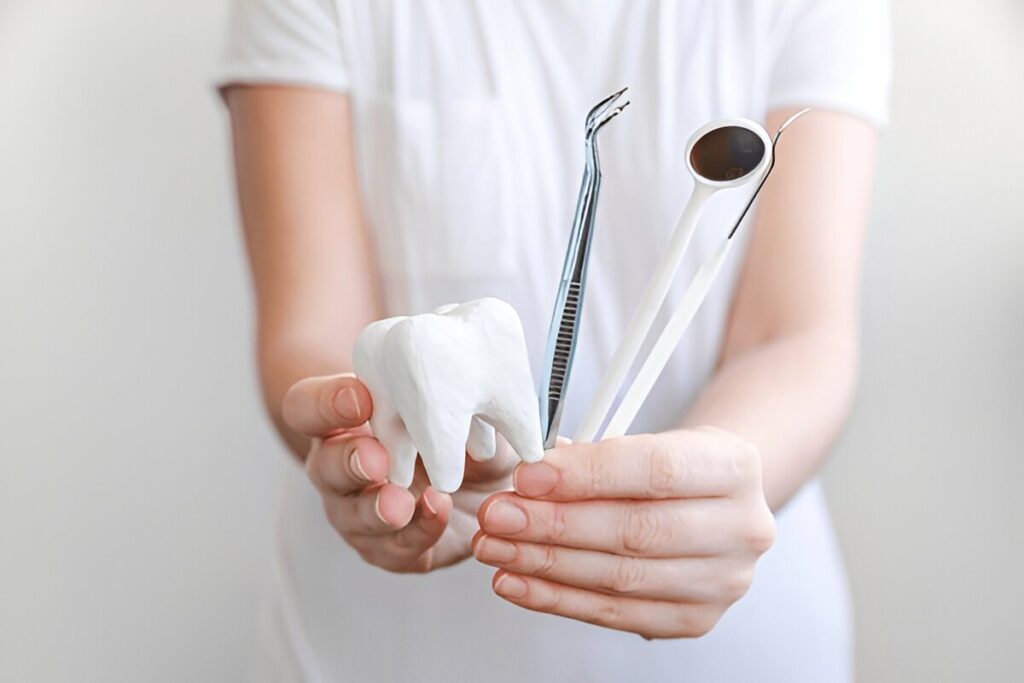
One of the most important things you can do is to visit your dentist regularly. Your dentist can monitor your oral health and catch any problems early before they become serious.
Proper Oral Hygiene
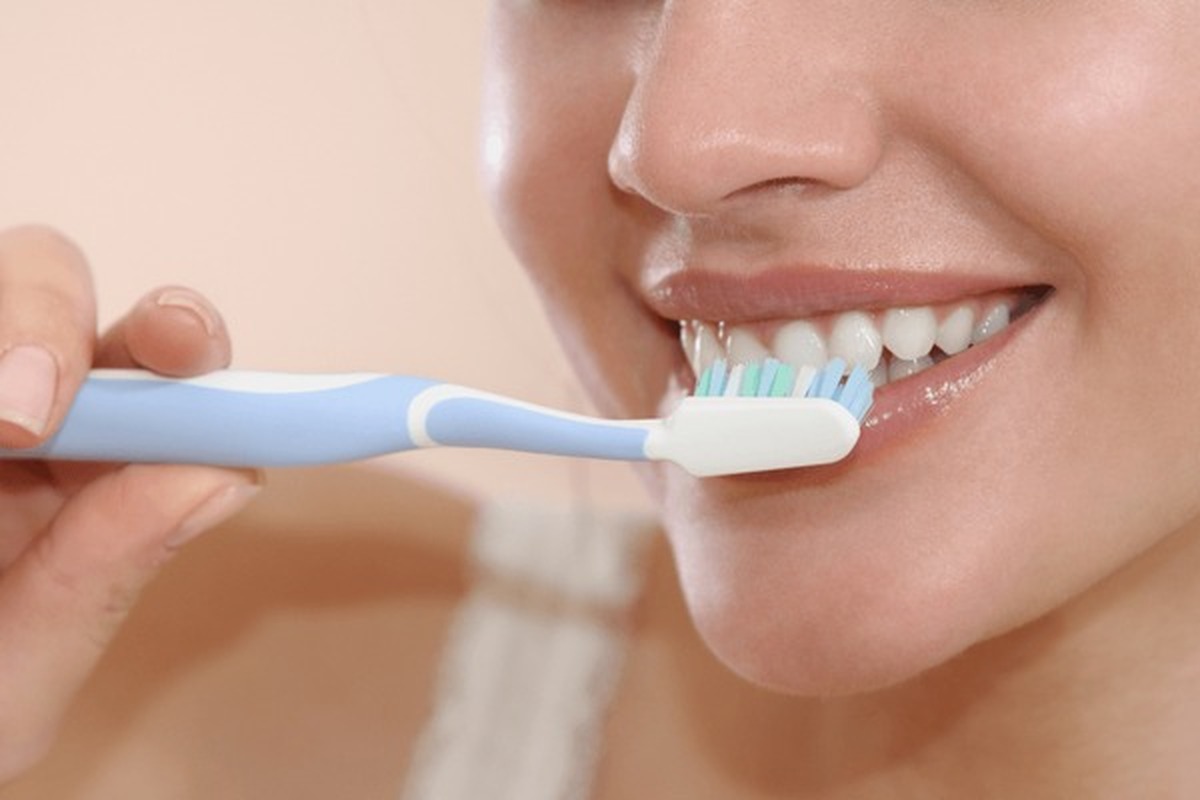
Maintaining good oral hygiene is crucial. This includes brushing your teeth at least twice a day with fluoride toothpaste, flossing daily, and using an antibacterial mouthwash.
Nutritional Supplements
Since bariatric surgery can lead to nutritional deficiencies, it’s important to take recommended supplements to ensure you’re getting enough vitamins and minerals to support your oral health.
Stay Hydrated
Drinking plenty of water can help combat dry mouth and ensure adequate saliva production. It also helps to rinse away food particles and acids that can harm your teeth.
Manage Acid Reflux
If you’re experiencing acid reflux, speak to your doctor about ways to manage it. This might include dietary changes or medication to reduce stomach acid production.
Foods to Support Dental Health After Bariatric Surgery
Dietary changes after bariatric surgery are inevitable, but you can still choose foods that promote dental health. Here are some options:
- Dairy Products: Rich in calcium and vitamin D, dairy products like milk, cheese, and yogurt can help strengthen teeth.
- Leafy Greens: Vegetables like spinach and kale are high in calcium and folic acid, which can improve oral health.
- Lean Proteins: Foods like fish, poultry, and eggs provide essential nutrients like phosphorus and B vitamins.
Bariatric surgery offers numerous benefits for those struggling with obesity, but it’s important to be aware of its potential impact on dental health. By understanding the risks and taking proactive steps to maintain good oral hygiene, you can protect your teeth and gums after surgery. Regular dental checkups, proper nutrition, and effective management of any side effects can help ensure that your smile stays healthy and bright for years to come.
Remember, your dentist is a valuable partner in your post-bariatric surgery journey. Don’t hesitate to reach out with any concerns or questions about your oral health as you navigate this transformative experience.