Introduction
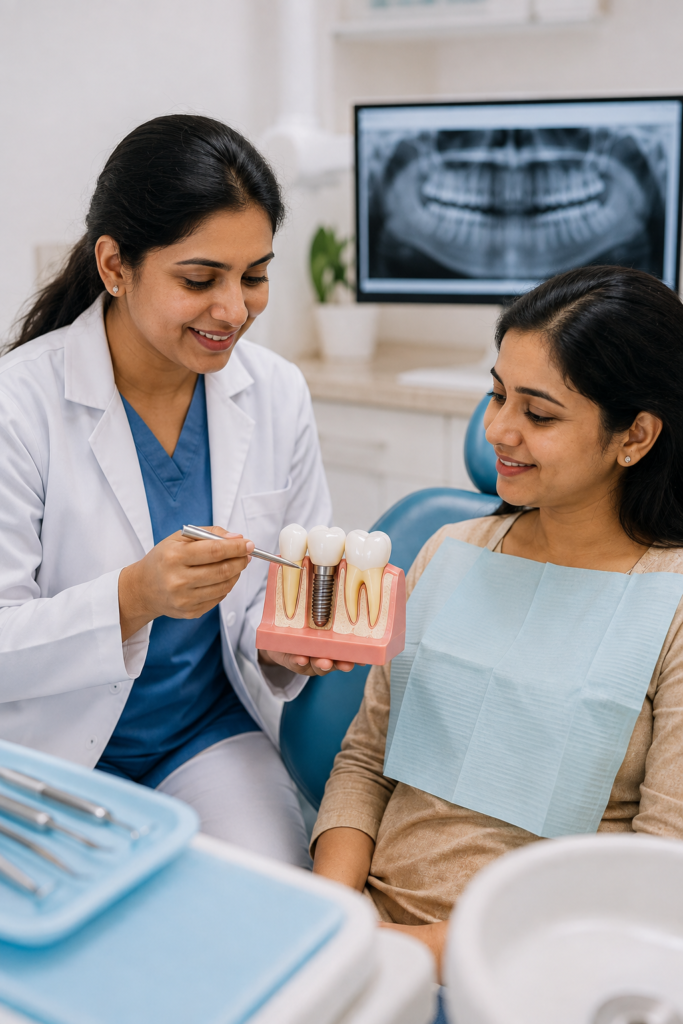
Dental implants are one of the most reliable options for replacing missing teeth. Unlike removable dentures, dental implants are designed to remain securely in the mouth and function like a natural tooth. They consist of an implant placed into the jawbone, an abutment that connects the implant to the restoration, and a dental crown that replaces the visible part of the missing tooth. Because the implant is designed to integrate with the surrounding bone, many patients wonder whether it can last permanently. For people who have lost a tooth because of decay, gum disease, injury, or another dental problem, an implant can provide a stable and natural-looking replacement while helping restore normal chewing and speaking.
While dental implants are intended to provide a long-term solution, it is more accurate to say that they can last for many years with proper care rather than saying they will last forever. The implant itself may remain functional for a very long time, but the crown or other restoration attached to it can experience normal wear and may eventually require repair or replacement. Good oral hygiene, healthy gums, regular dental check-ups, and avoiding habits that place excessive pressure on the implant can all contribute to its long-term success. The condition of the surrounding bone and gums is also important because an implant depends on healthy supporting tissues to remain stable.
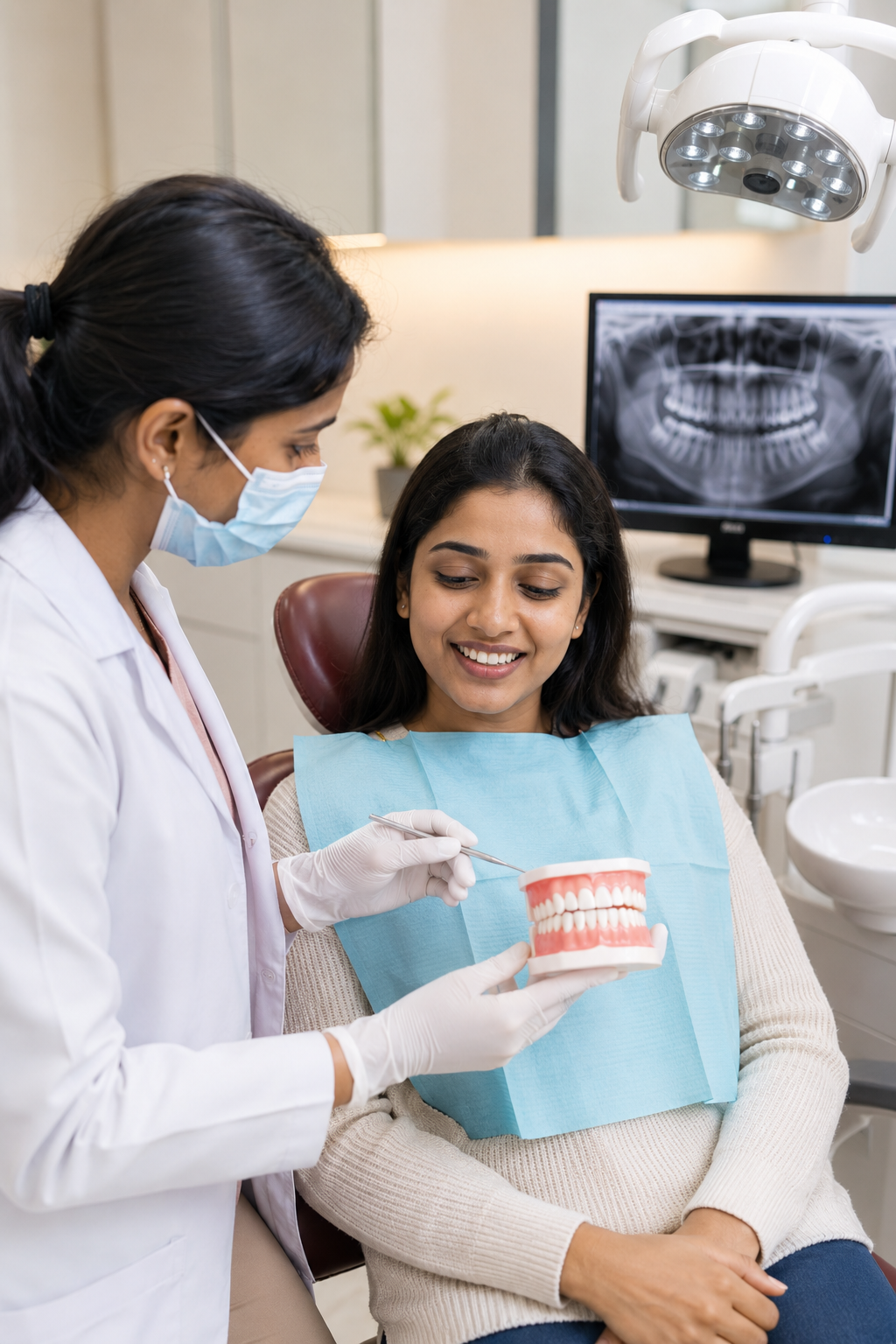
At Gravity Dental Polyclinic, we understand that every patient’s dental needs are different. Our dental team evaluates the condition of the teeth, gums, jawbone, and overall oral health before recommending dental implants or other tooth replacement options. A detailed assessment allows the dentist to understand the patient’s individual situation, explain the expected benefits and maintenance requirements, and develop a treatment plan that supports both function and long-term oral health.
Understanding Dental Implants
A dental implant acts as an artificial tooth root that is placed into the jawbone to support a replacement tooth. After placement, the implant needs time to heal and integrate with the surrounding bone. Once the implant is stable, a dental restoration such as a crown can be attached to restore the appearance and function of the missing tooth. This process provides a stable foundation and can be particularly useful for patients who want a fixed alternative to removable tooth replacement options.
One of the important advantages of dental implants is their stability. Because the implant is anchored within the jawbone, it does not move around like a removable denture. It can allow patients to chew, speak, and smile more comfortably while also helping replace the function of a missing tooth. However, the long-term condition of the implant depends on maintaining healthy tissues around it and following the dentist’s recommended care routine. Although the implant is artificial, the surrounding gums and bone still require regular attention and professional monitoring.
How Long Can Dental Implants Last?
1. The Implant Is Designed for Long-Term Use
The implant fixture is designed to remain within the jawbone and provide a stable foundation for the replacement tooth. With appropriate treatment planning and good oral care, an implant can remain functional for many years. Its position within the jawbone allows it to provide support for the dental crown while helping restore the function that was lost with the natural tooth.
However, long-term success is not guaranteed simply because an implant is made from a durable material. The gums and bone surrounding the implant also need to remain healthy. Regular dental visits allow the dentist to monitor these tissues and identify potential problems at an early stage. Maintaining good oral hygiene and following professional recommendations can help protect the implant and improve the likelihood of long-term success.
2. The Dental Crown May Need Replacement
The crown attached to the implant is exposed to daily chewing and biting forces. Just like other dental restorations, it can experience normal wear over time and may eventually need repair or replacement. The lifespan of the crown can depend on factors such as chewing habits, oral hygiene, bite forces, and general dental care.
Replacing a crown does not necessarily mean that the implant itself has failed. In many cases, the implant can remain securely positioned while the visible restoration is replaced. Your dentist can examine the implant and determine whether the concern involves the crown, the surrounding tissues, or the implant itself. This distinction is important because the implant fixture and the crown are separate components of the overall treatment.
3. Oral Hygiene Plays an Important Role
Keeping the teeth and gums clean is essential for protecting a dental implant. Plaque and bacteria can accumulate around the implant if daily cleaning is inadequate, potentially causing inflammation of the surrounding tissues. Although the artificial crown cannot develop decay in the same way as a natural tooth, the tissues around the implant can still be affected by poor oral hygiene.
Brushing regularly and cleaning between the teeth can help maintain healthy gums. Your dentist may also recommend specific cleaning techniques or tools depending on the position of the implant and your individual oral health needs. Paying attention to the area around an implant during everyday cleaning is important because healthy surrounding tissues provide essential support.
4. Regular Dental Check-Ups Matter
Dental implants should not be considered maintenance-free. Regular professional examinations allow the dental team to check the implant, crown, gums, and surrounding bone for any changes. These visits provide an opportunity to identify problems that may not be noticeable to the patient during everyday life.
Early detection of inflammation, loosening, bite problems, or damage to the restoration can allow appropriate treatment before the problem becomes more serious. Regular follow-up is therefore an important part of maintaining the long-term health of an implant. Even when an implant feels completely normal, routine appointments can help ensure that the surrounding tissues remain healthy.
5. Lifestyle Habits Can Affect Implant Longevity
Certain habits can place additional stress on dental implants. Smoking and tobacco use can negatively affect gum health and healing, while frequently biting extremely hard objects can put unnecessary pressure on the restoration. These habits may also affect the overall health of the mouth and make it more difficult to maintain healthy tissues around an implant.
Patients who grind or clench their teeth may also place excessive forces on their teeth and dental restorations. If this is a concern, the dentist may recommend appropriate protective measures based on the patient’s individual situation. Understanding and managing these habits can help reduce unnecessary stress on the implant and its restoration.
Signs Your Dental Implant May Need Attention
A healthy dental implant should remain stable and should not cause persistent discomfort. If you notice pain, swelling, bleeding around the implant, difficulty chewing, or movement of the implant or crown, it is important to contact your dentist for an assessment rather than ignoring the symptoms. Changes around an implant can sometimes develop gradually, so noticing and reporting unusual symptoms early can be helpful.
Changes around an implant do not always mean that the implant has failed. The problem may involve the crown, bite, gums, or another part of the restoration. A professional examination can help identify the cause and determine the appropriate treatment. Patients should avoid attempting to adjust or repair a loose or damaged restoration themselves and should instead seek professional dental advice.
How to Help Your Dental Implant Last Longer
Taking care of a dental implant is an ongoing process. Brush your teeth regularly, clean carefully around the implant, maintain healthy gums, and attend routine dental appointments. Avoid habits that may damage the crown or place excessive forces on the implant. Good daily care is important because the tissues surrounding an implant need the same attention as the rest of the mouth.
Patients should also follow the specific instructions provided by their dentist after implant treatment. Maintaining good oral health and addressing any concerns early can help protect the implant and surrounding tissues for many years. Regular professional cleaning may also be recommended depending on the patient’s individual needs. A consistent approach to home care and professional dental care can support the long-term condition of both the implant and the remaining natural teeth.
Frequently Asked Questions
Q: Are dental implants permanent?
Dental implants are designed as a long-term tooth replacement option and can remain functional for many years with proper care. However, the restoration attached to the implant may eventually need repair or replacement. Therefore, implants should be viewed as a long-lasting treatment rather than a treatment that never requires maintenance.
Q: Can a dental implant last for many years?
Yes. Dental implants can provide long-term tooth replacement when they are properly placed and maintained. Their longevity depends on factors such as oral hygiene, gum health, bone support, lifestyle habits, biting forces, and regular dental care.
Q: Can dental implants get cavities?
The implant itself cannot develop a cavity because it is not a natural tooth. However, the surrounding natural teeth can still develop decay, and the tissues around the implant can become inflamed if oral hygiene is inadequate. Regular cleaning and dental check-ups remain important.
Q: What can cause a dental implant to fail?
Problems such as infection, inflammation around the implant, inadequate bone support, excessive biting forces, poor oral hygiene, and certain lifestyle habits can contribute to implant complications. A dentist can assess individual risk factors before and after treatment.
Q: Does smoking affect dental implants?
Smoking can affect gum health and healing and may increase the risk of complications. Patients who smoke should discuss this with their dentist when considering implant treatment so that appropriate advice can be provided.
Q: Does an implant crown last forever?
No. The crown is exposed to everyday chewing forces and can experience normal wear over time. It may eventually require repair or replacement even if the implant itself remains healthy and securely positioned.
Q: How can I make my dental implant last longer?
Good oral hygiene, regular dental check-ups, healthy gums, avoiding excessive forces, and following your dentist’s recommendations can all help support the long-term health of a dental implant. Maintaining healthy surrounding teeth and gums is also important.
Conclusion
Dental implants are designed to provide a stable and long-lasting solution for missing teeth. While the implant itself can remain functional for many years, proper oral hygiene, healthy gums, regular dental check-ups, and good lifestyle habits are important for maintaining its long-term success. The crown attached to the implant may eventually require repair or replacement due to normal wear, but this does not necessarily mean that the implant itself has failed. With appropriate care and professional monitoring, dental implants can continue to provide stable support and help patients maintain comfortable chewing, speaking, and smiling.
At Gravity Dental Polyclinic, we believe that successful implant treatment involves both careful planning and long-term maintenance. Our experienced dental team evaluates each patient’s individual oral health, explains the available treatment options, and provides personalised implant assessment and treatment planning. If you are considering dental implants or already have an implant and have noticed changes such as discomfort, swelling, bleeding, or movement, a professional dental assessment can help determine the appropriate next step and protect your long-term oral health.
📞 +971 50 591 2922
🌐 https://gravitydentalpolyclinic.ae/contact-us/
About the Clinic
Trusted Dental Care in Al Nahda 2, Dubai, UAE. At Gravity Dental Polyclinic, we provide comprehensive dental services tailored to every patient’s needs. Our experienced dentists combine advanced technology with compassionate care to deliver preventive, restorative, cosmetic, and periodontal treatments, helping patients of all ages achieve healthy, confident smiles.