Introduction
Losing a tooth can happen for many reasons, including tooth decay, gum disease, injury, infection, or natural wear over time. Some people may choose to delay replacing a missing tooth, especially if it is located toward the back of the mouth and does not affect their appearance. However, even a single missing tooth can gradually affect the way the surrounding teeth function and fit together.
A missing tooth creates an empty space in the mouth that can affect chewing, speaking, and the alignment of nearby teeth. Over time, the surrounding teeth may begin to shift toward the empty space. This can change the way the upper and lower teeth meet when biting and may make it more difficult to clean certain areas properly.
Delaying treatment can also allow changes to occur in the jawbone where the tooth was previously supported. When a tooth root is no longer present, the bone in that area may gradually lose stimulation and decrease in volume. Replacing the missing tooth can help restore function and provide support for the surrounding oral structures.
At Gravity Dental Polyclinic, we help patients understand their tooth replacement options and choose an appropriate treatment based on their oral health, number of missing teeth, bone condition, lifestyle, and individual needs.
Understanding the Effects of Missing Teeth
A natural tooth does more than help you chew food. It also helps maintain the position of neighbouring teeth and provides stimulation to the jawbone through its root. When a tooth is lost, these functions are affected.
One of the most noticeable consequences is difficulty chewing. Patients may begin avoiding certain foods or chewing mainly on the opposite side of the mouth. This can place additional pressure on the remaining teeth and gradually change normal chewing habits.
Missing teeth can also affect speech, particularly when teeth toward the front of the mouth are involved. Gaps may alter the way the tongue interacts with the teeth when producing certain sounds.
Another important concern is tooth movement. The teeth surrounding a gap may gradually tilt or shift into the empty space. This can create areas that are harder to clean and may increase the risk of plaque accumulation and gum problems.
Replacing a missing tooth can help restore oral function and maintain a more stable relationship between the remaining teeth.
Common Causes and Risk Factors
Tooth decay is one of the most common reasons people lose teeth. When decay becomes extensive and the tooth can no longer be restored successfully, extraction may become necessary. Treating cavities early can reduce the risk of eventual tooth loss.
Gum disease is another major cause of missing teeth. Advanced periodontal disease can damage the tissues and bone that support the teeth, eventually causing teeth to become loose. Regular dental examinations and appropriate gum care can help identify periodontal problems before they become severe.
Dental injuries can also result in tooth loss. Accidents, sports injuries, falls, and other trauma can damage teeth beyond repair. In some situations, immediate dental assessment may provide an opportunity to save the natural tooth.
Poor oral hygiene can increase the risk of both tooth decay and gum disease. Inconsistent brushing, inadequate cleaning between the teeth, frequent sugary foods and drinks, and delayed dental visits can all contribute to conditions that may eventually result in tooth loss.
Certain patients may also have a higher risk because of existing dental problems, ageing, previous extractions, or insufficient professional dental care. Addressing these risk factors can help protect the remaining natural teeth.
10 Key Reasons to Replace Missing Teeth Quickly
- Prevent Nearby Teeth From Shifting
When a tooth is missing, the surrounding teeth may gradually move toward the empty space. This movement can affect alignment and create spaces that are more difficult to clean properly.
- Protect Your Bite
A missing tooth can change how the upper and lower teeth meet when you bite. Replacing the tooth can help maintain a more balanced biting relationship and reduce unnecessary pressure on certain teeth.
- Maintain Chewing Ability
Missing teeth can make it difficult to chew certain foods comfortably. Replacing the tooth can restore chewing function and allow patients to enjoy a wider range of foods.
- Reduce Jawbone Loss
The roots of natural teeth stimulate the surrounding jawbone. After tooth loss, the bone in that area may gradually decrease. Certain replacement options, particularly dental implants, can help provide stimulation through an artificial tooth root.
- Make Cleaning Easier
A missing tooth can cause surrounding teeth to shift and create unusual spaces. These areas may trap food and plaque, making daily oral hygiene more challenging.
- Support Facial Structure
Multiple missing teeth can contribute to changes in the support provided to the lips and cheeks. Replacing missing teeth can help restore some of the structural support provided by natural teeth.
- Improve Speech
Teeth play an important role in producing certain sounds. When front teeth are missing, some patients may notice changes in pronunciation or speech clarity.
- Reduce Excessive Pressure on Remaining Teeth
When one or more teeth are missing, the remaining teeth may be required to handle additional chewing forces. Replacing the missing tooth can help distribute biting forces more appropriately.
- Prevent Further Dental Complications
A missing tooth can contribute to changes in tooth position, bite, cleaning ability, and bone structure. Addressing the gap earlier can help reduce the likelihood of additional complications.
- Restore Confidence in Your Smile
Missing teeth can affect how comfortable people feel when smiling, speaking, or interacting socially. Appropriate tooth replacement can restore the appearance of the smile and improve confidence.
What Can Happen If You Delay Tooth Replacement?
Delaying treatment does not always cause immediate problems, which is why some patients may believe that replacement is unnecessary. However, changes can develop gradually and may become more difficult to manage over time.
The neighbouring teeth can begin shifting into the empty space. The opposing tooth may also move toward the gap because it no longer has the same contact with a tooth on the other side.
Bone loss may also occur in the area where the tooth was removed. This can become particularly important for patients considering dental implants because the amount and condition of available bone can influence treatment planning.
A prolonged gap may therefore affect not only the missing tooth but also the surrounding teeth, gums, bite, and bone. Consulting a dental professional early allows the condition to be assessed and suitable replacement options to be discussed.
Tooth Replacement Options
The most appropriate replacement depends on the patient’s oral health and individual circumstances.
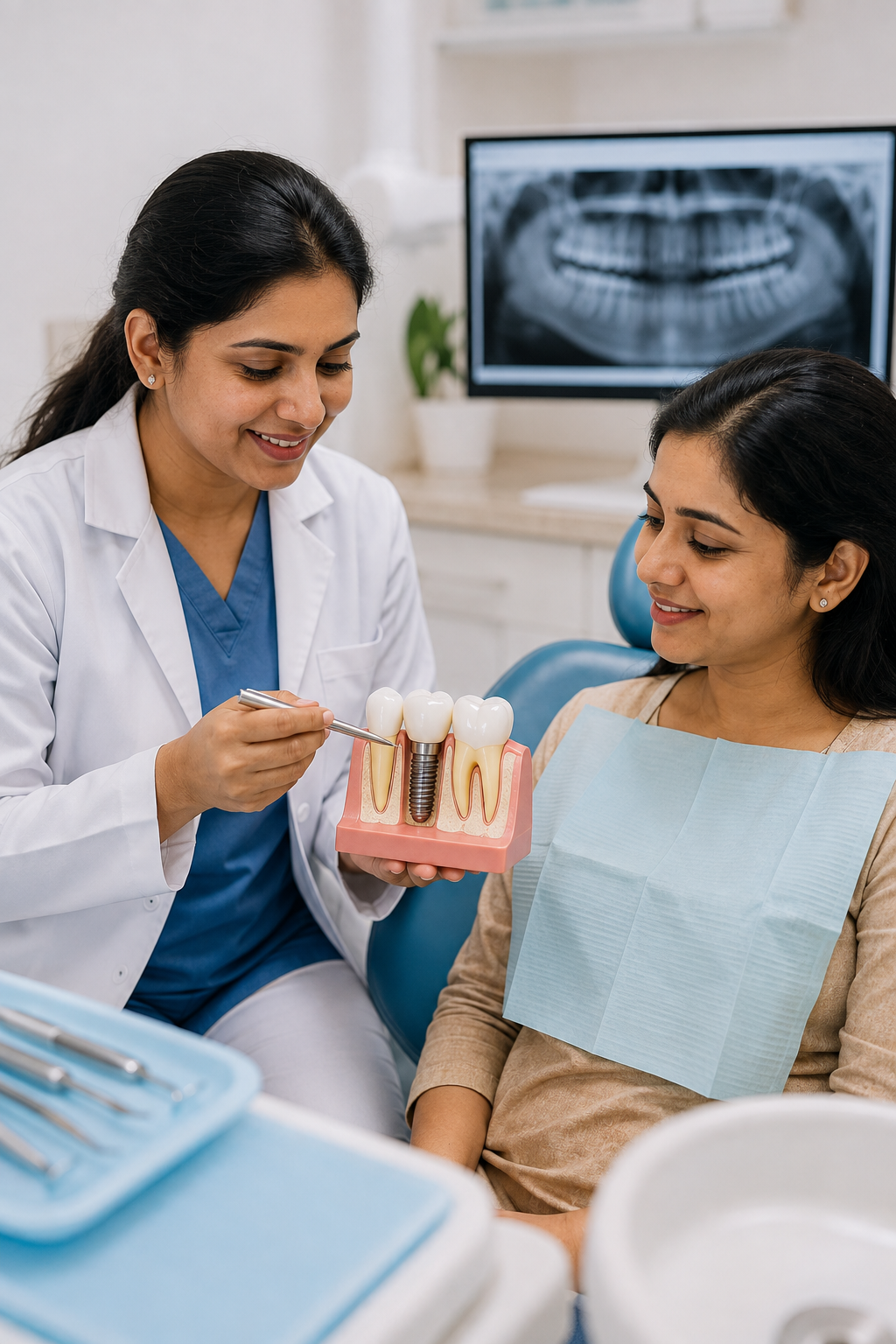
Dental implants are one option for replacing missing teeth. An implant is placed into the jawbone and can support a dental crown designed to replace the visible portion of the missing tooth.
Dental bridges are another option. A bridge uses neighbouring teeth or other dental structures to support an artificial tooth that fills the gap.
Removable partial dentures can also be used when several teeth are missing. These appliances can replace multiple teeth and can be removed for cleaning.
Your dentist can assess the condition of the gums, remaining teeth, bite, and jawbone before recommending the most suitable option.
Why Early Dental Assessment Matters
The sooner a missing tooth is evaluated, the sooner potential changes can be identified. Early assessment does not necessarily mean that every patient needs immediate treatment, but it provides an opportunity to understand the available choices.
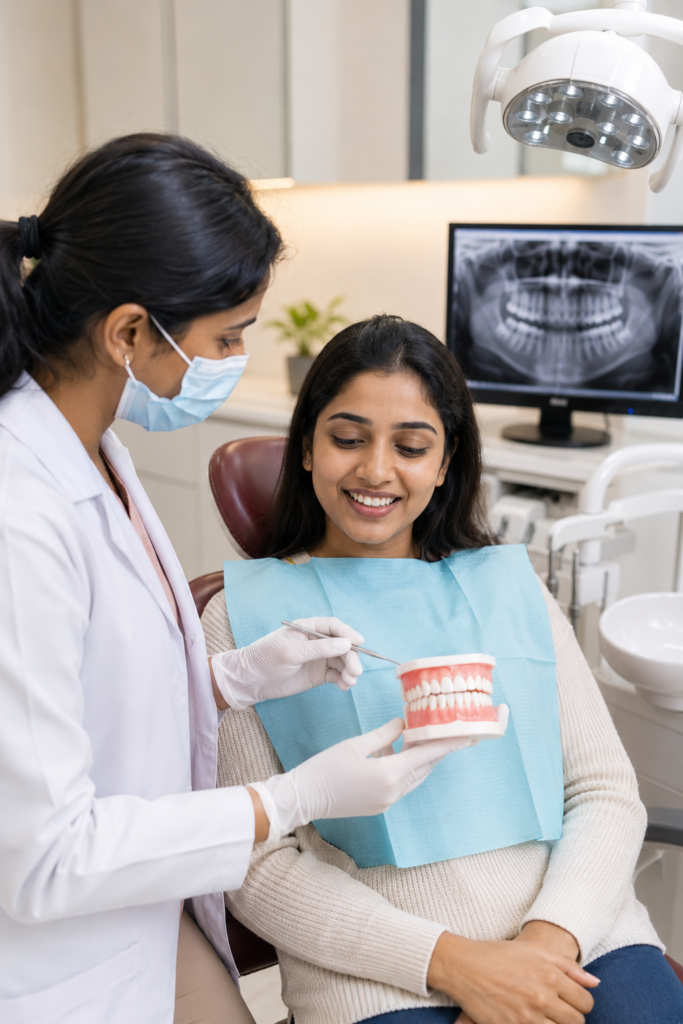
Your dentist may examine the missing area, surrounding teeth, gum health, and jawbone. Dental X-rays or other imaging may be recommended when necessary to support treatment planning.
Early consultation can also be useful when considering dental implants because the condition of the jawbone can influence whether additional procedures may be required.
Discussing treatment options early allows patients to make informed decisions instead of waiting until additional dental problems develop.
Frequently Asked Questions
Q: Is it really necessary to replace one missing tooth?
Replacing a missing tooth is often recommended because an untreated gap can allow nearby teeth to shift and may affect chewing and bite function. Your dentist can assess whether replacement is appropriate for your individual situation.
Q: How long can I wait before replacing a missing tooth?
There is no single timeframe that applies to everyone. However, delaying treatment may allow tooth movement and bone changes to occur. A dental assessment can help determine the most appropriate timing.
Q: Can a missing tooth cause other teeth to move?
Yes. Teeth can gradually shift toward an empty space. The opposing tooth may also move into the gap. These changes can affect alignment, chewing, and oral hygiene.
Q: What is the best way to replace a missing tooth?
The best option depends on your oral health, the location of the missing tooth, the condition of neighbouring teeth, bone availability, and personal preferences. Options may include implants, bridges, or removable dentures.
Q: Can a dental implant replace a missing tooth?
Dental implants can replace missing teeth by using an implant placed in the jawbone to support a dental crown. A dentist must first evaluate the gums, bone, and overall oral health to determine suitability.
Q: Does a missing tooth affect chewing?
Yes. Missing teeth can reduce chewing efficiency and may cause patients to favour one side of the mouth. Replacing the missing tooth can help restore more balanced chewing function.
Q: Can replacing a missing tooth improve my smile?
Yes. Tooth replacement can restore the appearance of a gap, particularly when a front tooth is missing. It may also improve confidence when smiling, speaking, and interacting with others.
Conclusion
A missing tooth is more than an empty space in your smile. Over time, tooth loss can affect chewing, speech, bite alignment, neighbouring teeth, gum health, and the jawbone supporting the teeth. Replacing a missing tooth early can help maintain oral function and reduce the risk of additional dental complications. Whether you are considering a dental implant, bridge, or removable replacement, an early dental assessment can help you understand the most suitable option for your needs. At Gravity Dental Polyclinic, our experienced dental team provides personalised treatment planning to help patients restore healthy, functional, and confident smiles.
📞 +971 50 591 2922
🌐 https://gravitydentalpolyclinic.ae/contact-us/
About the Clinic
Trusted Dental Care in Al Nahda 2, Dubai, UAE. At Gravity Dental Polyclinic, we provide comprehensive dental services tailored to every patient’s needs. Our experienced dentists combine advanced technology with compassionate care to deliver preventive, restorative, cosmetic, and periodontal treatments, helping patients of all ages achieve healthy, confident smiles.