
You might think your sleep habits only affect your energy and mood but the way you sleep can also influence your dental health. Many patients don’t realize that a simple nightly habit like sleeping on your stomach or side can contribute to teeth grinding, jaw pain, and even long-term issues with tooth alignment.
In this article, we explore how sleep posture affects teeth and jaws, what common problems arise, and how you can adjust your sleeping habits to protect your smile while living in Dubai or anywhere else.
Why Sleep Posture Matters for Your Mouth
When you sleep, your head, neck, and jaw relax. But if your position puts uneven pressure on your jaw or causes misalignment, that pressure can lead to strain. Over time, this can trigger teeth grinding (bruxism), temporomandibular joint (TMJ) stress, enamel wear, or even shifting of teeth.
Because much of this damage happens while you’re unaware, it often goes unnoticed until pain, sensitivity or visible wear appears. That’s why dentists often ask about sleep habits when diagnosing jaw or enamel problems.
How Sleeping Positions Affect Teeth & Jaw — What Research Shows
Sleep posture matters. According to sleep dentistry sources, certain positions — like sleeping on your stomach or side with your face pressed into the pillow — can create constant pressure on the jaw. This pressure may contribute to bite changes, asymmetrical tension, and over time, structural stress in jaw joints. One clinic’s guide on sleep posture warns that side or stomach sleeping can increase risk of teeth shifting or jaw discomfort.
On the other hand, many dentists consider sleeping on the back (with proper neck support) the best for maintaining jaw alignment. This reduces external pressure on the jaw and minimizes chances of grinding or clenching.
Meanwhile, nighttime teeth grinding a condition known as Bruxism affects many people globally. Most don’t realize it happens during sleep until a loved one hears it, or damage appears. Bruxism can wear down enamel, crack teeth, and strain jaw muscles and joints.
Common Dental Problems Linked to Poor Sleep Posture
Here are common issues dentists observe when sleep posture and grinding become a habit:
- Enamel wear and tooth sensitivity: Constant grinding or uneven pressure can erode enamel over time.
- Chipped or cracked teeth: Forceful clenching during sleep may fracture teeth or damage fillings and crowns.
- Jaw pain, stiffness, or TMJ discomfort: Misaligned sleep posture can stress jaw joints and cause pain, popping, or difficulty opening the mouth.
- Headaches or neck pain upon waking: Jaw tension during sleep often translates into headaches or muscle soreness.
- Sleep disturbances and fatigue: Grinding can break sleep cycles — leading to tiredness, poor focus, and irritability.
How Dentists Diagnose Sleep Posture–Related Damage
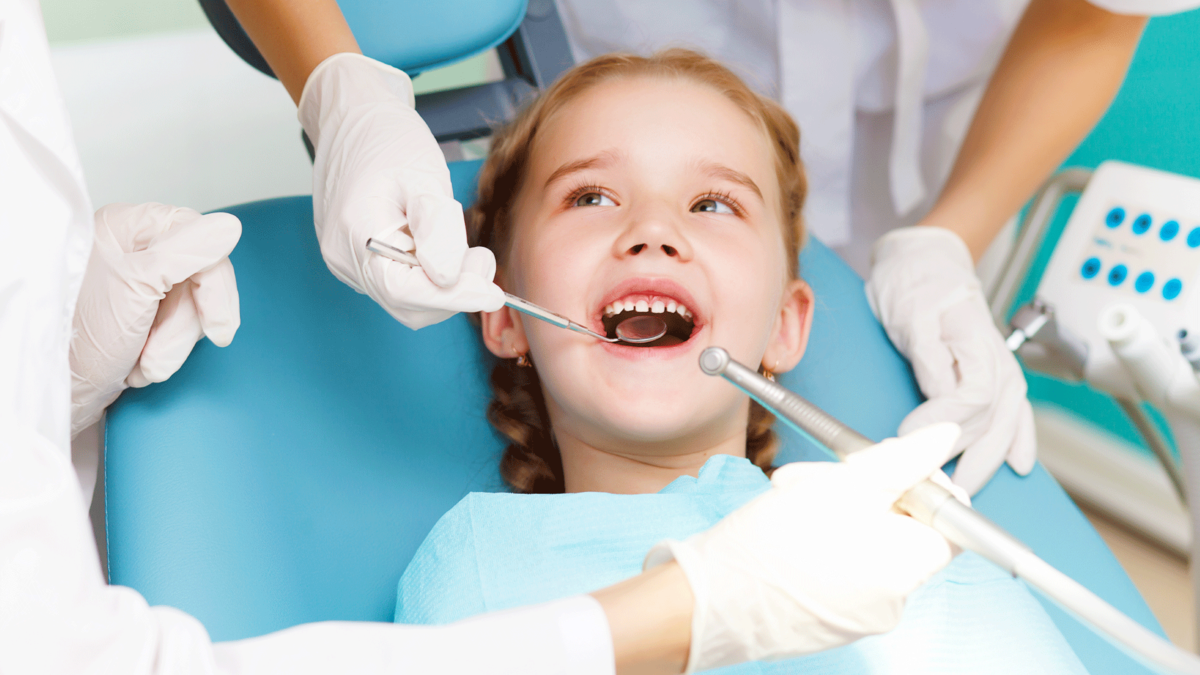
During a routine dental examination, dentists look beyond cavities. They check tooth surfaces for wear or fractures, inspect enamel edges, examine jaw movement and alignment, and ask about sleep habits or symptoms like jaw pain or morning headaches.
If grinding or jaw stress is suspected, they may recommend further evaluation or a sleep guard especially if you notice wear, cracks, sensitivity, or TMJ discomfort.
Checklist for Dubai Patients: Sleep Habits & Dental Health
- Try to sleep on your back — avoid face-down or side pressure on the jaw.
- Use a supportive pillow that aligns your head and neck without tilting the jaw.
- If you wake up with jaw pain or headaches, note your sleep position and mention it to your dentist.
- Avoid caffeine or heavy meals close to bedtime — these can increase jaw tension and trigger grinding.
- If you or your partner hears teeth grinding or you wake with a sore jaw, ask about a custom night guard.
- Maintain regular dental checkups — early detection of enamel wear or tooth fracture helps avoid bigger problems.
- Practice relaxation or stress-management before sleep — tension often triggers grinding.
What You Can Do Tonight to Protect Your Teeth
- Switch to sleeping on your back with a supportive, medium-low pillow.
- Maintain a calming pre-sleep routine to reduce stress — avoid caffeine or stimulating screen time after dinner.
- Stay hydrated — dry mouth can worsen grinding and enamel wear.
- If you wake with jaw pain or notice worn teeth — book a dental exam and discuss night guard or bite protection.
- Stick to regular dental checkups — early detection matters most.
Final Thoughts: Your Pillow Could Be Harming Your Smile — Unless You Act
It’s easy to think dental issues stem only from diet, hygiene, or genetics. But your sleeping position — and what happens unconsciously while you sleep matters too. Simple adjustments like changing posture, using a supportive pillow, and seeking timely dental advice can protect your teeth and jaw from long-term damage.
Ready to safeguard your smile? Book a sleep-posture & dental checkup at Gravity Dental Polyclinic today.