Charcoal toothpaste has become wildly popular in Dubai and beyond—promising a natural, powerful way to whiten teeth without harsh chemicals. But is it really a miracle, or could it be harming your enamel?
In this article, we dive deep into the science, the benefits, and the risks of charcoal toothpaste. We’ll also share dentist approved advice so you can make the safest choice for your smile.
Why Charcoal Toothpaste?
Charcoal dental products have surged in popularity, especially among health-conscious and eco-aware users. Activated charcoal is marketed as a natural detoxifier that can absorb stains, toxins, and impurities. In a city like Dubai where lifestyle, coffee culture, and even food habits may stain teeth, many residents search for effective and “chemical-free” whitening options.
However, whitening isn’t the only concern. When adopting anything new for your dental routine, you need to ask: “Is it safe for my enamel? My gums? My long-term dental health?”
How Charcoal Toothpaste Works
Activated charcoal is highly porous. The theory is that when you brush with it, it traps and lifts stains from the surfaces of your teeth. It’s abrasive by nature which helps to scrub away pigmented substances but that same abrasiveness raises red flags about enamel wear.
Unlike standard whitening toothpastes that rely on peroxide or chemical bleaching agents, charcoal relies on physical absorption and abrasion rather than chemical reactions.
The Types of Charcoal in Toothpaste
- Natural charcoal: made by burning wood or coconut shells, then activating by heating.
- Activated charcoal: processed to increase its surface area, making it more absorbent.
- Charcoal blends: combined with other ingredients like clay, baking soda, or fluoride.
Potential Benefits of Charcoal Toothpaste
There are several reasons why people are drawn to charcoal toothpaste:
- Whitening effect: Many users report visibly whiter teeth after regular use.
- Nontoxic image: Charcoal is often marketed as natural and “clean” compared to chemical whiteners.
- Odor control: Activated charcoal may help reduce bad breath by absorbing odor-causing compounds.
- Cost-effective: Many charcoal toothpastes are competitively priced with regular whitening options.
The Risks and Downsides: What Dentists Are Worried About
Despite the hype, many dental professionals are cautious and raise important concerns:
1. Enamel Erosion
The abrasiveness of charcoal can wear down tooth enamel over time. Once enamel is lost, it doesn’t regenerate — which can lead to sensitivity, yellowing, and increased risk of decay.
2. Gum Irritation
Charcoal particles may irritate gums, especially if you brush aggressively in an attempt to “scrub stain away.”
3. No Fluoride Protection
Many charcoal toothpastes lack fluoride, which is an essential mineral for strengthening enamel and preventing cavities. Using non-fluoridated charcoal toothpaste may leave your teeth vulnerable.
4. Staining vs Scratch Illusion
Some of the whitening effect is simply scratching or abrading the surface, not true stain removal. This can make your teeth look temporarily whiter but at the cost of enamel.
5. Mess and Grittiness
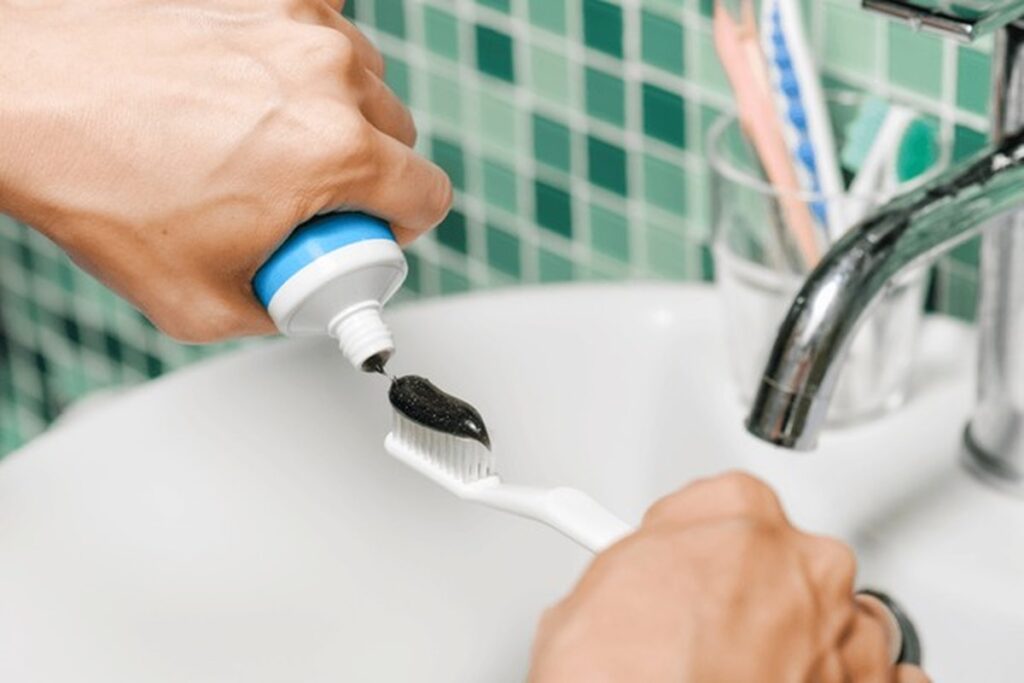
Charcoal toothpaste tends to be messy, dark, and gritty. It can stain sinks, toothbrushes—and even dental fixtures if not rinsed well.
6. Limited Research
While charcoal has anecdotal popularity, long term, high quality clinical studies on its effects on enamel and oral health remain limited.
What the Science Says
Here’s a breakdown of what dental research and expert opinion currently support:
- Some in vitro studies (lab-based) show charcoal can remove surface stains, but also increase enamel wear.
- Dental associations caution against using highly abrasive charcoal products regularly.
- Experts recommend that if charcoal toothpaste is used, it should not replace clinically proven fluoride toothpaste.
- Professional cleanings and whitening treatments remain more reliable for long term, safe tooth whitening.
How to Use Charcoal Toothpaste Safely (If You Choose To)
If you still want to try charcoal toothpaste, here’s a dentist-approved strategy:
- Use it only 1–2 times a week, not daily.
- Choose a formula with low abrasiveness, ideally one that carries an ADA Seal (or local equivalent).
- Always follow with fluoride toothpaste to remineralize enamel.
- Use a soft-bristled toothbrush and gentle pressure.
- Rinse your mouth thoroughly and clean your brush afterward.
- Schedule regular dental checkups to monitor enamel and gum health.
Myths vs Reality
Let’s clear up some common misconceptions:
- Myth: Charcoal toothpaste bleaches teeth like salon whitening.
Reality: It may remove surface stains, but it does not actually bleach enamel. - Myth: More brushing = whiter teeth.
Reality: Brushing harder with charcoal can increase risk of enamel erosion. - Myth: Charcoal is “all-natural,” so it must be safe.
Reality: Natural does not always mean harmless—its abrasiveness is a real concern. - Myth: No need for dentist whitening if using charcoal.
Reality: Dentists still consider professional cleanings and safer whitening key for long-term health.
Checklist for Dubai Residents Considering Charcoal Toothpaste
- Check the abrasiveness rating (RDA) on your toothpaste packaging.
- Limit use to a couple of times per week.
- Always brush gently with a soft-bristled brush.
- Use a fluoride toothpaste on other days.
- Rinse thoroughly after brushing with charcoal.
- Ask your dentist to measure enamel wear at your next visit.
- Avoid it if you have sensitive teeth, exposed roots, or gum problems.
Alternatives to Charcoal for Whitening
If you’re worried about charcoal’s risks, but still want whiter teeth, consider these safer alternatives:
- Whitening toothpaste with peroxide (low dose)
- Whitening strips or gels recommended by a dentist
- Professional in-clinic whitening
- Regular dental cleanings to remove surface stains.
Real Talk: Is Charcoal Toothpaste Worth It?
The short answer: it depends. Charcoal toothpaste may remove light surface stains, and it has a certain appeal as a natural “detoxifier.” But the long-term risks especially around enamel erosion mean it’s not a “use and forget” solution.
If you decide to use it, do so carefully, sparingly, and in a way that protects your enamel. Combine it with fluoride, monitor how your teeth feel, and don’t skip dental checkups.
Conclusion
Charcoal toothpaste is not a magic whitening bullet and it’s not inherently bad, either. When used thoughtfully, it can be part of a broader oral care routine. But without proper precautions, the risk to your enamel and gums may outweigh the perceived benefit.
Curious whether charcoal toothpaste is right for you? Book a consultation with Gravity Dental Polyclinic today. Our expert dentists can assess your enamel health, recommend safe whitening options, and guide you to a brighter, healthier smile.