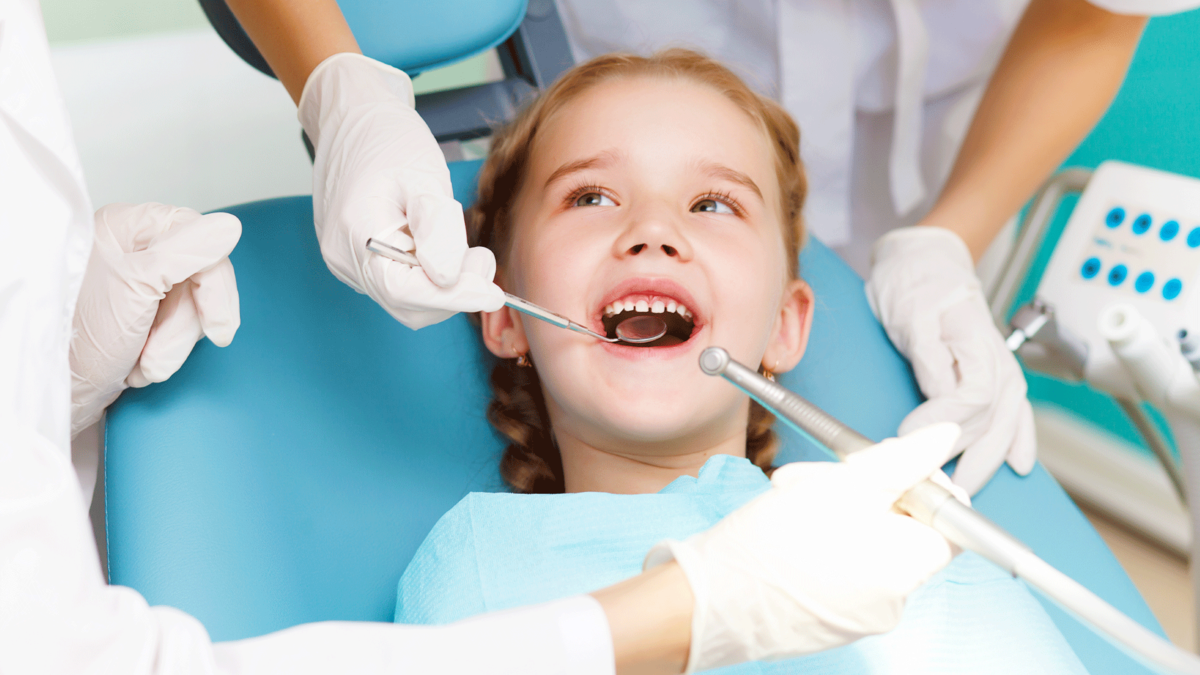

When sudden tooth pain, bleeding, or a broken crown strikes, every minute matters. Dental emergencies are unpredictable but how you respond before reaching your dentist can determine the outcome. Whether you’re in Dubai or anywhere in the UAE, knowing what to do during those first few moments can make all the difference between saving or losing a tooth.
This comprehensive guide will walk you through the most common dental emergencies and what immediate actions you should take before you reach the dental clinic.
Understanding Dental Emergencies
Not all dental problems require urgent care, but some situations demand immediate attention. A dental emergency is any condition involving severe pain, bleeding, trauma, or risk of infection that could worsen without prompt treatment. Common examples include:
- Severe toothache or abscess
- Knocked-out (avulsed) tooth
- Broken, chipped, or cracked teeth
- Lost fillings or crowns
- Soft tissue injuries (tongue, lips, cheeks)
- Swelling or infection around the jaw or gums
In each case, acting quickly and correctly can significantly improve recovery and reduce long-term damage.
Stay Calm and Assess the Situation
Panic can make any situation worse. Take a deep breath and calmly assess what’s happening. Identify where the pain, bleeding, or damage is coming from. Check whether the affected person is in stable condition and whether there are any signs of trauma beyond the mouth (such as head injury).
If you experience severe swelling, difficulty breathing, or uncontrolled bleeding, go to the nearest emergency room immediately. Otherwise, proceed with the first-aid steps below before heading to your dentist.
For a Knocked-Out Tooth (Avulsed Tooth)
This is one of the most urgent dental emergencies. The faster you act, the higher the chance of saving the tooth—ideally within 30 minutes.
- Pick up the tooth by the crown (top part), not the root.
- Do not scrub or clean it with soap or chemicals.
- If possible, gently reinsert it into the socket and hold it in place with gauze.
- If you can’t, place it in cold milk or saliva to keep it moist.
- Visit your Dubai emergency dentist immediately.
Tip: Never let the tooth dry out—moisture is critical for preserving living tissue.
For a Severe Toothache or Abscess
Persistent tooth pain may indicate deep decay or infection. Avoid using random home remedies—these can aggravate the condition.
Here’s what you should do:
- Rinse your mouth gently with warm saltwater to reduce bacteria.
- Use a cold compress on your cheek to minimize swelling.
- Take over-the-counter pain relief if necessary (avoid placing aspirin directly on gums).
- Avoid very hot or cold foods until examined by your dentist.
If the pain is severe or accompanied by swelling or fever, seek professional help immediately. Infections can spread rapidly if untreated.
Broken or Chipped Tooth
Broken teeth are painful and can expose nerves, increasing sensitivity. If you’ve chipped or cracked a tooth:
- Rinse your mouth with warm water to clean the area.
- Apply gentle pressure with sterile gauze if there’s bleeding.
- Use a cold compress outside your cheek to reduce swelling.
- Keep any broken pieces in milk and bring them to the clinic.
Your dentist may be able to reattach the fragment or repair it using dental bonding or a crown.
Lost Fillings or Crowns
A lost filling or crown can expose sensitive tooth layers and cause sharp pain. To protect the area before your appointment:
- Apply dental cement (available at most pharmacies) or sugar-free gum over the exposed tooth.
- Avoid chewing on that side.
- Do not attempt to glue or force the crown back yourself.
Bring the crown or filling with you—it may be reusable after professional cleaning and adjustment.
Soft Tissue Injuries (Lips, Tongue, Gums)
Soft-tissue injuries can cause heavy bleeding. Here’s what to do:
- Rinse your mouth with mild saltwater.
- Apply clean gauze or a tea bag to the area to stop bleeding.
- Use ice to reduce pain and swelling.
- If bleeding doesn’t stop within 15 minutes, visit the nearest emergency clinic.
Checklist for Patients: Facing Dental Emergency
- Stay calm and assess the situation.
- Handle knocked-out teeth by the crown only.
- Store teeth in milk or saliva for transport.
- Use cold compress to control swelling.
- Avoid home remedies and self-treatment.
- Visit a trusted Dubai dentist as soon as possible.
When to Go Straight to the Hospital
Dental emergencies sometimes overlap with medical ones. Seek immediate emergency care if you experience:
- Uncontrollable bleeding
- Facial swelling that impairs breathing
- High fever with dental pain
- Fractures involving the jaw or face
How Dubai’s Emergency Dentists Can Help
At Gravity Dental Poly Clinic, emergency cases are prioritized for same-day care. With advanced technology and experienced specialists, Dental Clinics in Dubai including, our team provides prompt relief and restores your smile quickly and safely.
From digital X-rays to same-day crowns and expert oral surgeons, you’ll find the care and comfort you need right when it matters most.
Be Prepared, Stay Protected
Dental emergencies can happen anytime. But with the right knowledge and a clear plan, you can minimize pain, prevent complications, and even save your teeth. Keep your dentist’s number handy and follow these first-aid steps until you reach professional care.
Experiencing a dental emergency in Dubai? Don’t wait—call Gravity Dental now and get