Cancer treatment can be a challenging journey, affecting not just your overall health but also your oral well-being. Treatments such as chemotherapy and radiation can weaken your immune system, reduce saliva production, and make your mouth more susceptible to infections, sores, and other dental issues. While these side effects may seem inevitable, proactive oral care can significantly reduce discomfort and prevent complications.
Maintaining good oral hygiene during cancer treatment is not only about keeping your teeth clean; it is essential for your overall health and quality of life. Proper oral care can help manage side effects like dry mouth, mouth sores, sensitivity, and changes in taste, allowing you to eat, speak, and stay nourished more comfortably.
This blog provides practical, easy-to-follow tips for taking care of your mouth before, during, and after cancer treatment. From pre-treatment dental check-ups to daily oral hygiene routines, nutrition advice, and handling sensitivity or mouth sores, these strategies are designed to help you maintain optimal oral health even during the most challenging times. By following these recommendations and staying in close communication with your dental team, you can safeguard your oral health and make your cancer treatment journey a little more manageable.
Understanding the Impact of Cancer Treatment on Oral Health
Cancer treatments, such as chemotherapy and radiation, can cause side effects that affect your mouth. Understanding these effects can help you take proactive steps to protect your oral health.
Common Oral Side Effects
- Dry Mouth: Reduced saliva production can lead to dry mouth, which increases the risk of cavities and infections.
- Mouth Sores: Painful sores, also known as oral mucositis, can make eating and speaking difficult.
- Infections: A weakened immune system makes your mouth more vulnerable to infections.
- Bleeding Gums: Treatments may make your gums sensitive and prone to bleeding.
- Changes in Taste: Foods may taste different or bland, affecting appetite and nutrition.
Pre-Treatment Dental Check-Up
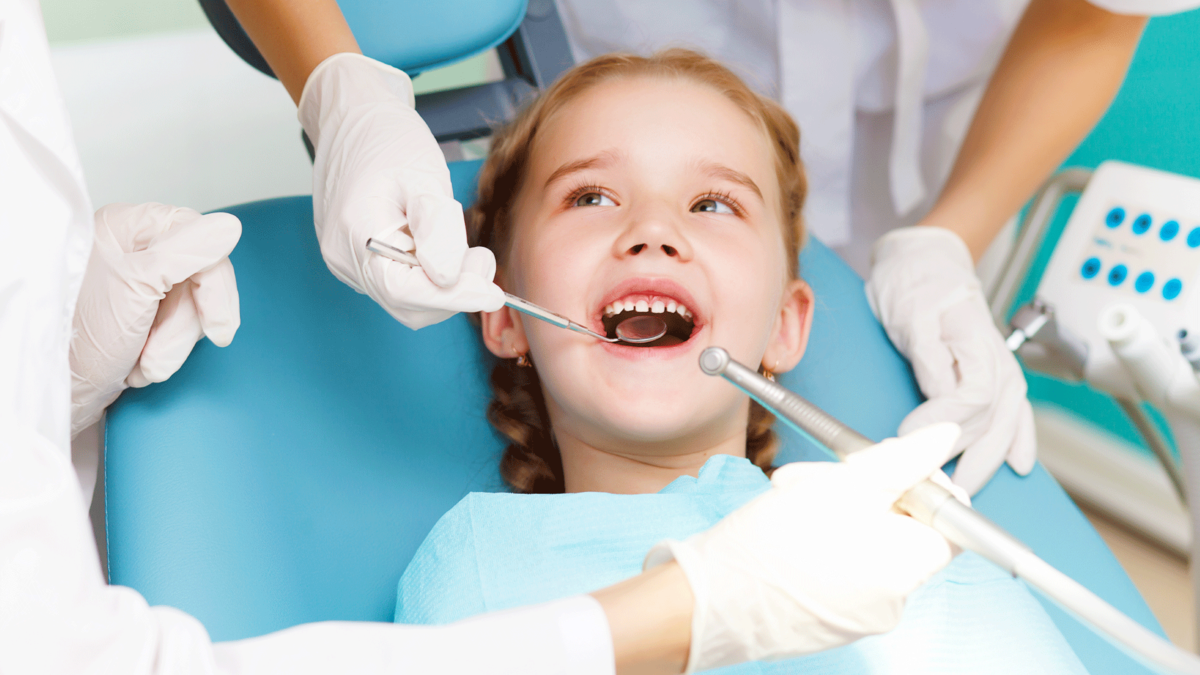
Visiting your dentist before starting cancer treatment is crucial. A pre-treatment check-up helps address any existing dental issues and reduces the risk of complications.
What to Expect During the Check-Up
- Comprehensive Oral Examination: A thorough examination of teeth and gums.
- Dental Cleaning: Removal of plaque and tartar to reduce infection risk.
- Treatment of Existing Issues: Address cavities, gum disease, or other dental problems.
Daily Oral Hygiene Tips
Good oral hygiene is essential during cancer treatment. Follow these daily tips to maintain a healthy mouth:
Brushing and Flossing
- Brush Gently: Use a soft-bristled toothbrush twice a day to avoid irritation.
- Floss Carefully: Floss daily, but gently. Consult your dentist if gums bleed.
Choosing the Right Toothpaste and Mouthwash
- Fluoride Toothpaste: Protects teeth from decay.
- Alcohol-Free Mouthwash: Prevents further dryness.
Managing Dry Mouth
- Stay Hydrated: Drink plenty of water.
- Use Saliva Substitutes: Ask your dentist about saliva substitutes or moisturizers.
Diet and Nutrition
- Balanced Diet: Include fruits, vegetables, and lean proteins to support overall health.
- Limit Sugary Foods: Reduce risk of tooth decay by avoiding sugary snacks and drinks.
Handling Mouth Sores and Sensitivity
Soothing Mouth Sores
- Rinse with Salt Water: Helps soothe irritation.
- Avoid Spicy Foods: Prevents worsening of sores.
Dealing with Sensitivity
- Use a Soft Toothbrush: Minimizes discomfort.
- Desensitizing Toothpaste: Helps with sensitive teeth.
Regular Dental Visits
Continuing regular dental visits during cancer treatment helps catch oral health issues early.
Communication with Your Dental Team
- Inform Your Dentist: Share your treatment plan and side effects.
- Discuss Medications: Ensure your dentist knows about all medications and supplements.
When to Seek Professional Help
Seek immediate attention if you notice persistent pain, bleeding, or signs of infection:
- Swelling or Redness: Could indicate infection.
- Fever: May indicate a more severe infection.
Taking care of your oral health during cancer treatment is vital for your overall well-being. By following these tips and staying in close communication with your dental team, you can reduce complications and maintain a healthy mouth throughout your treatment journey.