
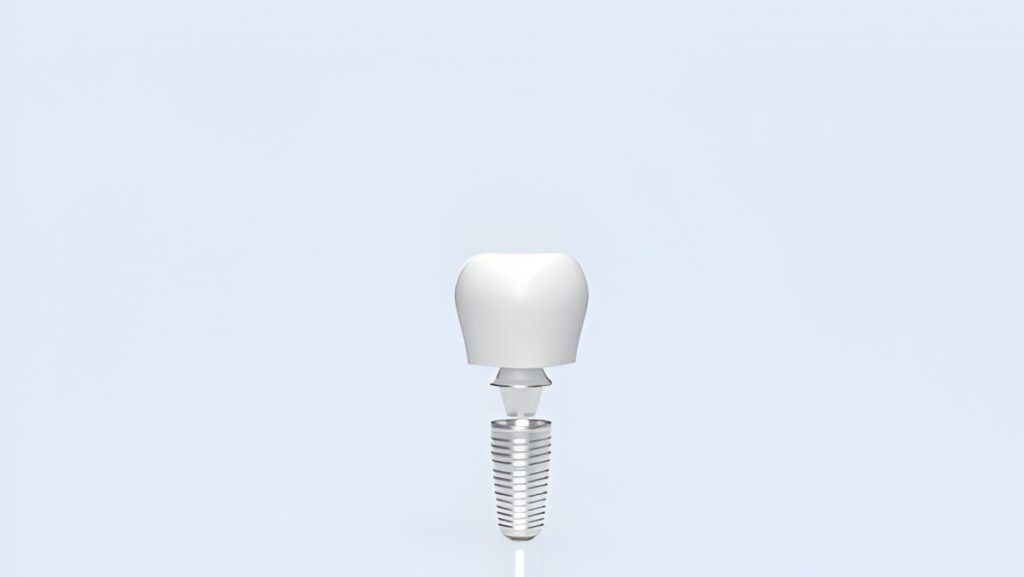
When it comes to dental care, one of the most important considerations is the materials used in dental procedures. Choosing the right materials can impact not just the effectiveness of the treatment but also your overall health. In recent years, there has been increasing interest in biocompatible dental materials. But what exactly does “biocompatible” mean, and which materials are safe to use?
Biocompatible dental materials are those that are designed to work harmoniously with the body. They do not trigger adverse reactions and are safe for long-term use. These materials are particularly important in dentistry, where they come into direct contact with sensitive tissues in the mouth.
What Makes a Material Biocompatible?
For a material to be considered biocompatible, it must meet several criteria:
- Non-toxic: It shouldn’t release harmful substances into the body.
- Non-irritating: It should not cause irritation or inflammation of the tissues.
- Non-allergenic: It must not trigger allergic reactions.
- Durable: It should withstand the conditions of the mouth, such as moisture and varying pH levels.
Types of Biocompatible Dental Materials
There are several types of biocompatible dental materials commonly used in dentistry. Let’s explore some of the most popular ones:
1. Composite Resins
Composite resins are widely used for fillings and are favored for their aesthetic appeal. They are tooth-colored, making them a preferred choice for visible areas in the mouth. Modern composite resins are designed to be biocompatible, minimizing the risk of adverse reactions.
2. Ceramics
Ceramic materials, such as porcelain, are used in crowns, bridges, and veneers. They are biocompatible and offer excellent durability and aesthetic qualities. Ceramics do not release toxins and are generally well-tolerated by the body.
3. Zirconia
Zirconia is a type of ceramic that is gaining popularity in dentistry for its strength and biocompatibility. It is used in crowns and dental implants and is known for its resistance to wear and fracture.
4. Titanium
Titanium is commonly used in dental implants due to its strength and compatibility with bone tissue. It is considered one of the most biocompatible metals, making it a safe choice for long-term dental restorations.
Materials to Approach with Caution
While many materials are considered safe, some commonly used dental materials may pose
risks to certain individuals.
Here are a few materials that should be approached with caution:
1. Amalgam Fillings
Amalgam fillings, often referred to as “silver fillings,” contain mercury, which has raised health concerns. While the American Dental Association deems them safe, some individuals opt for alternatives due to potential mercury exposure.
2. Nickel-based Alloys
Nickel is found in some dental alloys, particularly those used in crowns and bridges. Nickel allergies are relatively common, and individuals with known sensitivities should avoid nickel-containing materials.
3. Latex
Latex is used in some dental products, such as gloves and rubber dams. People with latex allergies should inform their dentist so that alternative materials can be used.
The Role of Biocompatibility in Holistic Dentistry
Holistic dentistry emphasizes the use of biocompatible materials to ensure that dental treatments are safe and in harmony with the overall health of the patient. Holistic dentists often take extra precautions to minimize exposure to potentially harmful substances and focus on materials that support overall well-being.
How to Ensure You Choose Biocompatible Materials
When considering dental treatments, it’s important to discuss material options with your dentist.
Here are some steps you can take to ensure you choose biocompatible materials:
Ask Questions: Inquire about the materials being used and their potential risks and benefits.
Conduct Research: Learn about the materials used in your dental work and their biocompatibility.
Consider Allergy Testing: If you have known allergies or sensitivities, consider undergoing allergy testing before dental procedures.
Prioritizing Safety and Health in Dental Care
Choosing the right dental materials is crucial for ensuring not only the success of dental treatments but also the safety and health of patients. Biocompatible dental materials provide a safer alternative to traditional materials, reducing the risk of adverse reactions and promoting overall well-being. By understanding the options available and discussing them with your dentist, you can make informed decisions that prioritize your health.
In the ever-evolving field of dentistry, staying informed about the materials used in your treatments is key to maintaining optimal oral and overall health. Always consult with a dental professional to determine the best course of action tailored to your individual needs.
By focusing on biocompatible materials, you can ensure that your dental care is aligned with your health goals and supports your overall well-being.