
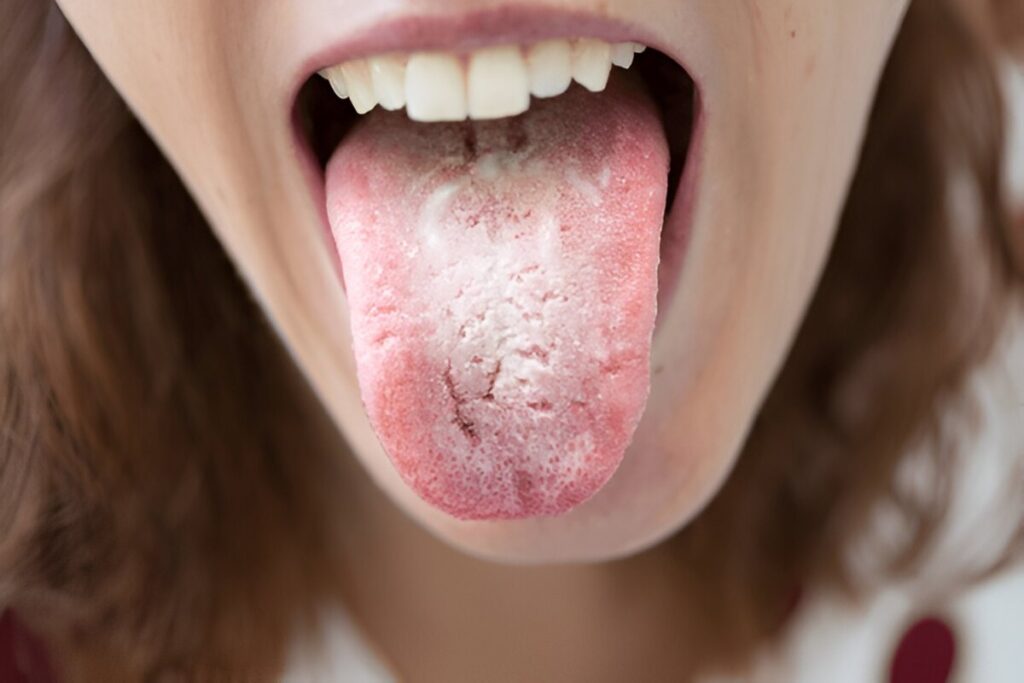
Oral thrush is a common condition that can affect anyone, but it is especially prevalent in infants, older adults, and those with weakened immune systems. If you’ve noticed white patches in your mouth or on your tongue, or if you’re experiencing discomfort while eating or drinking, you might be dealing with oral thrush. It’s important to recognize and treat this condition early to prevent it from worsening. In this blog, we’ll help you understand what oral thrush is, how to identify it, and effective treatment options available.
Oral thrush, also known as oral candidiasis, is a yeast infection caused by an overgrowth of the fungus Candida albicans. This fungus naturally lives in our mouths, but certain conditions can cause it to multiply uncontrollably, leading to an infection.
Several factors can contribute to the development of oral thrush:
- Weakened Immune System: Individuals with weakened immune systems, such as those undergoing chemotherapy, HIV patients, or those on immunosuppressant drugs, are more susceptible.
- Antibiotics: Long-term use of antibiotics can disrupt the balance of microorganisms in the mouth, promoting fungal growth.
- Diabetes: High blood sugar levels can encourage yeast growth.
- Dentures: Poorly fitted dentures can create a breeding ground for Candida.
- Smoking: Tobacco use can alter the natural balance of microorganisms in the mouth.
Recognizing the symptoms of oral thrush early is crucial for effective treatment:
- White patches on the tongue, inner cheeks, roof of the mouth, gums, or tonsils
- Redness or soreness in the mouth
- Cracking at the corners of the mouth
- A cottony feeling in the mouth
- Loss of taste
- Pain while eating or swallowing
If you suspect you have oral thrush, it’s important to consult a healthcare professional for a proper diagnosis. Your doctor will likely examine your mouth and may take a small scraping of the white patches to examine under a microscope. This will confirm whether Candida is present.
Here are several methods to consider:
Antifungal medications are the most common treatment for oral thrush. These can come in the form of lozenges, tablets, or liquids. Common antifungal medications include:
- Nystatin: An antifungal mouthwash that is swished around the mouth and then swallowed or spit out.
- Clotrimazole: Available in lozenge form to dissolve in the mouth.
- Fluconazole: An oral antifungal medication typically used for more severe cases.
While antifungal medications are effective, some individuals prefer natural remedies to complement medical treatment:
- Salt Water Rinse: Rinsing your mouth with salt water can help reduce symptoms and discomfort.
- Baking Soda: Rinsing with a solution of baking soda and water may help kill the yeast.
- Yogurt and Probiotics: Consuming unsweetened yogurt and probiotics can help restore the natural balance of bacteria in your mouth.
Making certain lifestyle adjustments can also help prevent and treat oral thrush:
- Good Oral Hygiene: Brush your teeth twice a day and floss regularly to maintain oral health.
- Dietary Adjustments: Reducing sugar and yeast-rich foods in your diet can help control Candida growth.
- Quit Smoking: If you smoke, consider quitting to improve your overall oral health.
Prevention is always better than cure. Here are some tips to prevent oral thrush:
- Maintain Good Oral Hygiene :: Regular brushing, flossing, and dental check-ups can keep your mouth healthy.
- Manage Medical Conditions: If you have diabetes or other conditions, keep them well-managed to reduce your risk.
- Limit Sugar and Yeast: A diet low in sugar and yeast can help prevent Candida overgrowth.
- Proper Denture Care: Clean dentures thoroughly and ensure they fit well.
If your symptoms persist despite treatment, or if you’re experiencing severe pain and difficulty swallowing, it’s important to seek medical attention. In some cases, oral thrush can indicate a more serious underlying condition that requires prompt treatment.Oral thrush can be an uncomfortable condition, but with the right treatment and preventive measures, it can be managed effectively. By recognizing the symptoms early and consulting a healthcare professional, you can ensure a swift recovery and maintain optimal oral health. Remember, maintaining good oral hygiene and managing underlying health conditions are key steps in preventing this common yeast infection.