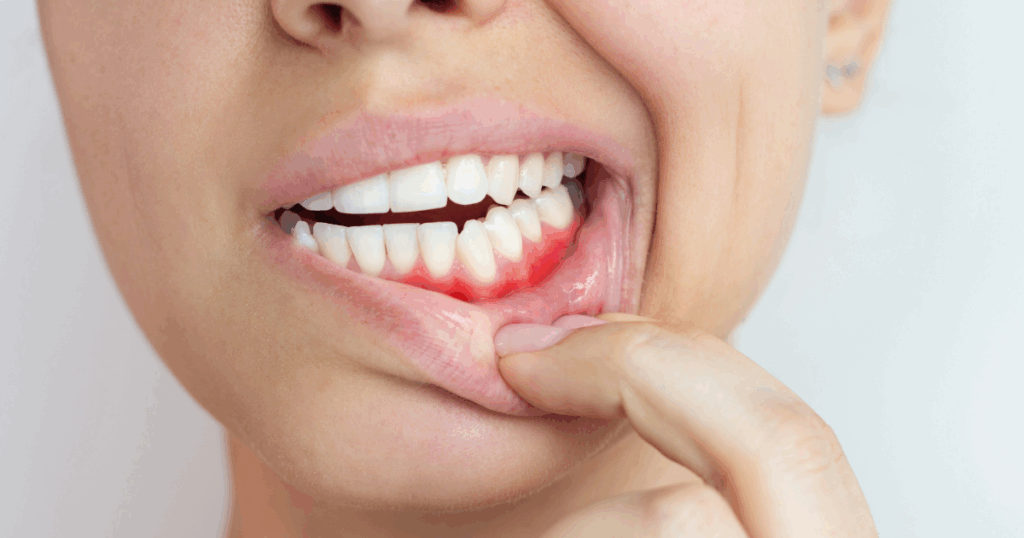
Gum recession is more common than many people realize, especially as we age or face oral health challenges. It occurs when the gum tissue surrounding your teeth starts to wear away, exposing more of your tooth or even the roots. This can lead to increased sensitivity, a higher risk of cavities, and sometimes even changes to your smile. While it might sound alarming, the good news is that gum recession can often be prevented or at least slowed down if you adopt the right daily habits.
Healthy gums are the foundation of a strong, lasting smile, and taking care of them goes beyond just brushing your teeth. Simple habits like proper brushing techniques, flossing consistently, maintaining a balanced diet, and attending regular dental check ups play a huge role in keeping your gums strong. Lifestyle factors such as avoiding tobacco and managing teeth grinding also make a difference. In this blog, we’ll explore the causes of gum recession, the small yet powerful steps you can take daily, and professional care options to help restore and protect your gum health. By understanding these strategies, you can maintain healthier gums and enjoy a confident, lasting smile.
How to Prevent and Stop Gum Recession
Preventing gum recession involves a combination of good oral hygiene practices, lifestyle choices, and regular dental check-ups. Here’s how you can protect your gums:
-
- Brush Properly: Use a soft-bristled toothbrush and fluoride toothpaste. Brush your teeth gently at a 45-degree angle to your gums to remove plaque without causing damage. Avoid using hard-bristled brushes or brushing too aggressively, as this can contribute to gum recession.
- Floss Daily: Flossing removes plaque and food particles between teeth and under the gumline, areas your toothbrush can’t reach. This helps prevent gum disease, a leading cause of gum recession.
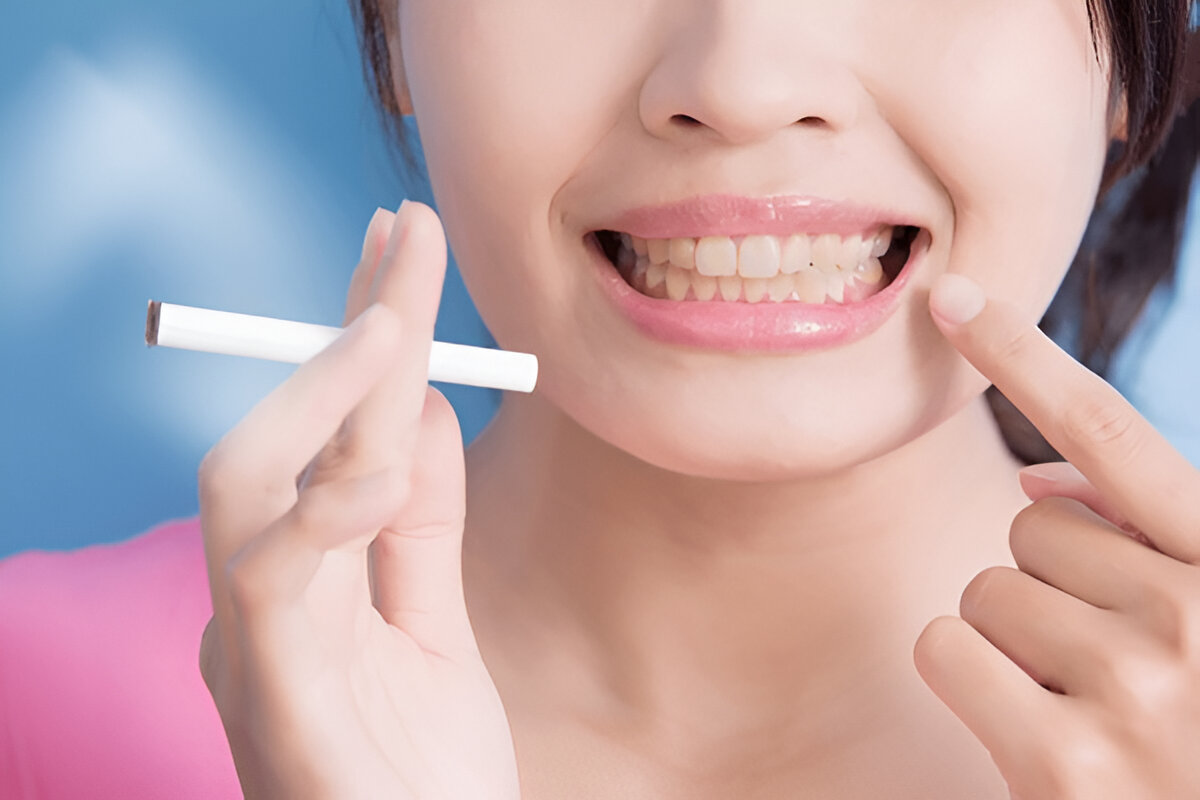
- Avoid Tobacco Products: Smoking and chewing tobacco can increase your risk of gum disease. Quitting these habits can significantly improve your oral health.
- Wear a Mouthguard: If you grind your teeth at night (bruxism), consider using a mouthguard to protect your gums and teeth from excessive pressure.
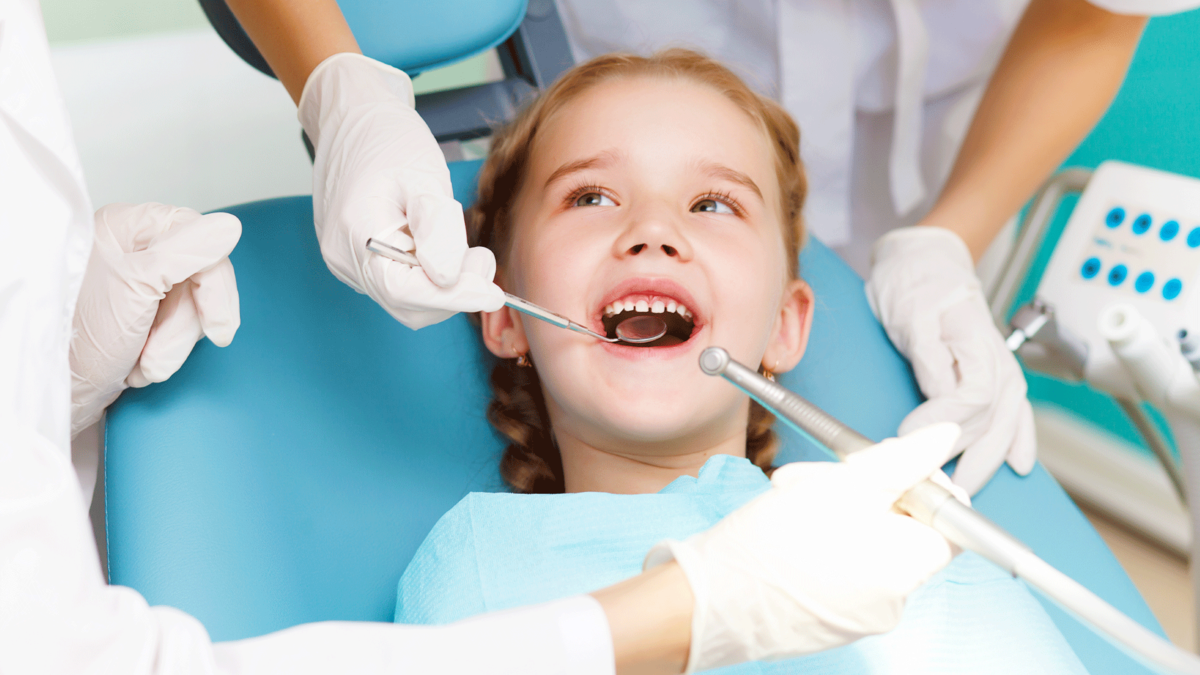
- Regular Dental Visits: Schedule regular check-ups with your dentist to monitor your gum health and catch any early signs of recession or gum disease.
Treatment Options for Gum Recession: Restoring Healthy Gums
If gum recession has already occurred, several treatment options can help restore gum health:
-
- Scaling and Root Planing: This deep cleaning procedure removes plaque and tartar from below the gumline and smooths the tooth roots to help the gums reattach to the teeth.
- Gum Grafting: In cases of significant recession, a gum graft may be performed. This involves taking tissue from another part of your mouth or using donor tissue to cover exposed roots and restore the gumline.
- Pinhole Surgical Technique (PST): PST is a minimally invasive procedure where a small hole is made in the gum tissue, and special instruments are used to reposition the gums over the exposed roots. This technique offers quicker recovery times and less discomfort compared to traditional grafting.
- Laser Therapy: Some dental professionals offer laser treatments to remove diseased tissue and stimulate gum regeneration, promoting healing and reducing discomfort.
- Laser Therapy: Some dental professionals offer laser treatments to remove diseased tissue and stimulate gum regeneration, promoting healing and reducing discomfort.
Gum recession doesn’t have to be an inevitable part of life. By adopting simple daily habits like gentle brushing, regular flossing, and routine dental visits, you can significantly protect your gums and prevent further recession. Avoiding harmful habits such as smoking and teeth grinding also plays a crucial role in maintaining gum health. For cases where recession has already begun, professional treatments like scaling, gum grafts, or minimally invasive procedures can help restore your gums. Staying proactive about your oral health ensures stronger gums, reduces sensitivity, and keeps your smile looking its best for years to come.