
When you think about staying healthy as you get older, you might focus on eating well, exercising, or keeping up with regular medical check ups. But did you know that your mouth plays a bigger role in your overall health than most people realize? For older adults, oral health isn’t just about keeping your teeth clean, it’s closely tied to heart health, diabetes management, memory, and even the strength of your immune system.
Research shows that gum disease and poor oral hygiene can allow harmful bacteria to enter the bloodstream, raising the risk of heart problems, lung infections, and other serious conditions. Tooth loss or untreated dental pain can also make it difficult to chew properly, leading to poor nutrition and a lower quality of life. In fact, many older adults are surprised to learn how much their daily brushing and dental visits contribute to their long term wellness.
The good news? Taking care of your teeth and gums can protect more than just your smile, it can support your body from head to toe. In this blog, we’ll explore the powerful connection between oral health and overall health in older adults, plus simple steps you can take to stay strong and confident.
How Oral Health Problems Affect the Body in Senior Adults
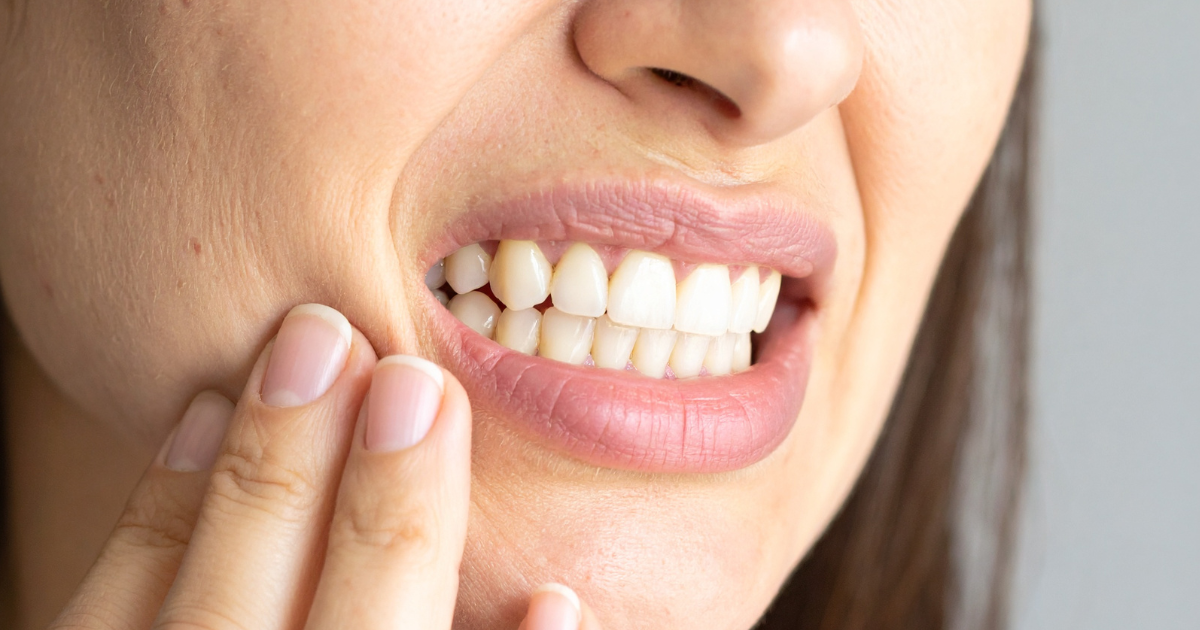
As you get older, you might think it’s just your knees or back that needs extra care but your mouth plays a big role too. Healthy gums and teeth aren’t just about smiling they’re important for keeping your whole body in good shape.
Gum health matters more than you think. Untreated gum disease doesn’t stay in the mouth it can lead to inflammation throughout your body. Recent research shows treating severe gum disease can slow down artery thickening and reduce markers of inflammation related to heart disease. That’s a big deal for your heart, especially as you grow older.
And that’s not all. Poor oral health is linked to higher risks of diabetes, pneumonia, and even cognitive decline. For example, bacteria from unhealthy gums can reach the lungs or bloodstream, leading to infections like pneumonia. And studies confirm a two way relationship between gum disease and blood sugar control, keeping your gums healthy may help manage diabetes better.
Some evidence even ties oral bacteria to memory issues. Certain mouth bugs linked to gum disease have been found in higher amounts in people with dementia.
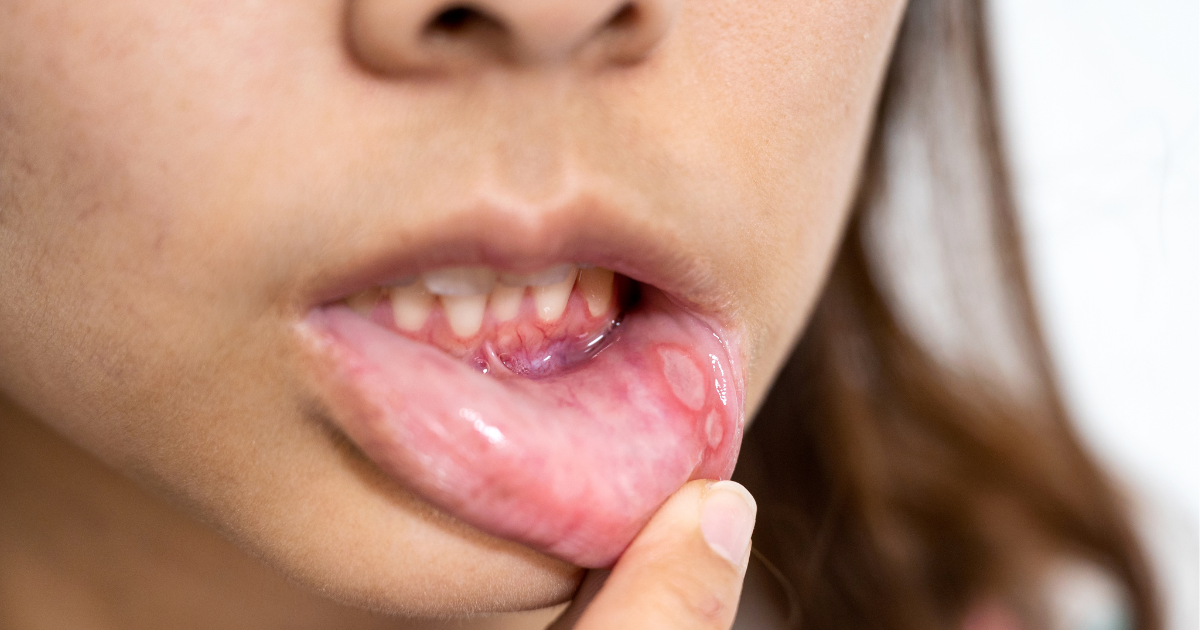
As for aging, research shows oral diseases like cavities, gum disease, and tooth loss are common in people over 65, and they can impact eating, talking, and even quality of life.
Not being able to chew properly can lead to poor nutrition and lower social interaction.
Simple Dental Care Habits to Support Overall Health in Later Years
Here’s what you can do to keep your mouth and your body feeling its best:
- Brush twice daily with fluoride toothpaste, using a soft brush or electric toothbrush to be gentle on your gums.
- Clean between your teeth every day with floss, interdental brushes, or a water flosser these reach where a regular brush can’t.
- Stay hydrated and manage dry mouth, especially if you’re on medications. Chewing sugar-free gum or using special rinses can help.
- Limit sugar and tobacco, both of which can increase decay, gum disease, and risk of oral cancer.
- Keep up with regular dental appointments for cleanings and check-ups—early intervention is key.
- Take care of dentures, if you use them—clean daily, don’t sleep with them in, and let your gums rest.
- Maintain a balanced diet rich in calcium, vitamin D, and other nutrients that support both teeth and overall health.
You may feel like your mouth is just a small part of your body—but it plays a powerful role in keeping you healthy. By focusing on Oral Health Care, especially as you age, you’re investing in your heart, your memory, and your ability to enjoy life fully.At Gravity Dental Poly Clinic, we’re here to support you with caring expertise at every step helping you smile brightly and live well.