If you’ve ever had a small, painful sore inside your mouth that makes eating, drinking, or even talking uncomfortable, chances are you’ve dealt with a canker sore. These tiny ulcers may look harmless, but anyone who has experienced them knows just how disruptive they can be to daily life. Unlike cold sores, canker sores don’t appear on the outside of your lips and aren’t contagious but they can still make every bite of food feel like a challenge.
So, why do they show up in the first place? The truth is, there isn’t just one reason. For some people, it’s as simple as biting the inside of their cheek or brushing a little too hard. For others, canker sores may be linked to stress, certain foods like citrus or spicy snacks, or even a lack of essential nutrients such as vitamin B12 or iron. In some cases, ongoing health conditions or hormonal changes may also play a role.
The good news is that once you understand what triggers them, you can take steps to prevent flare ups and find relief faster. Let’s break down the common causes of canker sores and share easy, everyday prevention tips you can use to protect your smile.
What is Canker Sores?
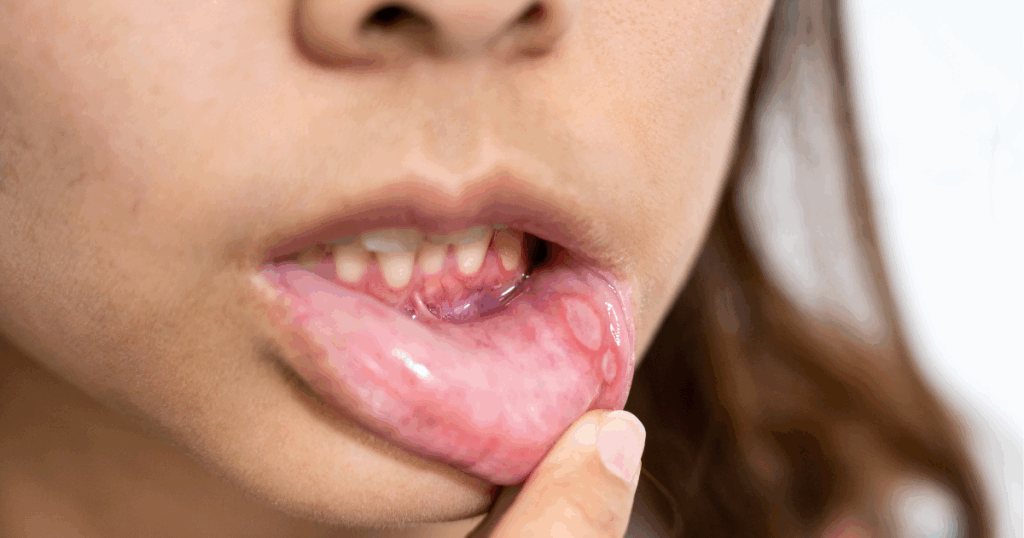
Canker sores aka aphthous ulcers are painful, non contagious wounds on the inside of your mouth, commonly appearing on the tongue, inner cheek, or gums. They typically look like tiny white or yellow dots with a bright red edge, and usually heal within 7 to 10 days.
What Causes Canker Sores and Why They Keep Coming Back
Still, figuring out why they appear isn’t always straightforward. Common Causes include:
- Minor injuries—like biting your cheek, aggressive brushing, or rubbing from braces or sharp dentures.
- Acidic or irritating foods—citrus fruits, tomatoes, spicy dishes, chocolate, or sour candies can trigger or worsen sores.
- Sodium lauryl sulfate (SLS)—a foaming agent found in some toothpastes may disrupt the mouth’s protective lining and lead to sores.
- Stress and immune responses—physical or emotional stress can weaken your immune system, making you more prone to outbreaks.
- Nutritional gaps—low levels of vitamin B12, iron, folate, or zinc can increase your risk.
- Underlying health issues—conditions like celiac disease, Crohn’s disease, or hormonal changes can play a role.
Underlying health issues—conditions like celiac disease, Crohn’s disease, or hormonal changes can play a role.
Simple Prevention Tips to Reduce Mouth Sores
Here’s how you can lower the odds of those painful surprises and feel better faster:
- Avoid triggers: Steer clear of foods that bother your mouth, like acidic fruits or spicy snacks, especially during flare-ups.
- Be gentle inside: Use a soft-bristled toothbrush and consider toothpaste without SLS—it’s kinder to the delicate tissues.
- Protect your mouth: Dental appliances like braces or dentures can cause friction. Cover sharp edges with dental wax to reduce irritation.
- Maintain balanced nutrition: Make sure to include foods rich in B12, folate, iron, and zinc—or consider supplements if needed.
- Manage stress: Simple practices like mindful breathing or taking breaks during a busy day can help reduce flare-ups.
- Try soothing rinses: Rinse with salt water (1 tsp salt in ½ cup warm water) or baking soda drinks to ease discomfort and help healing.
Canker sores can be annoying but understanding what sparks them and using gentle care methods can help you stay ahead of pain. A little extra attention to what you eat, how you brush, and how you manage stress can go a long way.At Gravity Dental Poly Clinic, we’re here to listen and offer simple, effective Mouth Care advice that fits your lifestyle in Dubai and keeps your smile happy and healthy.