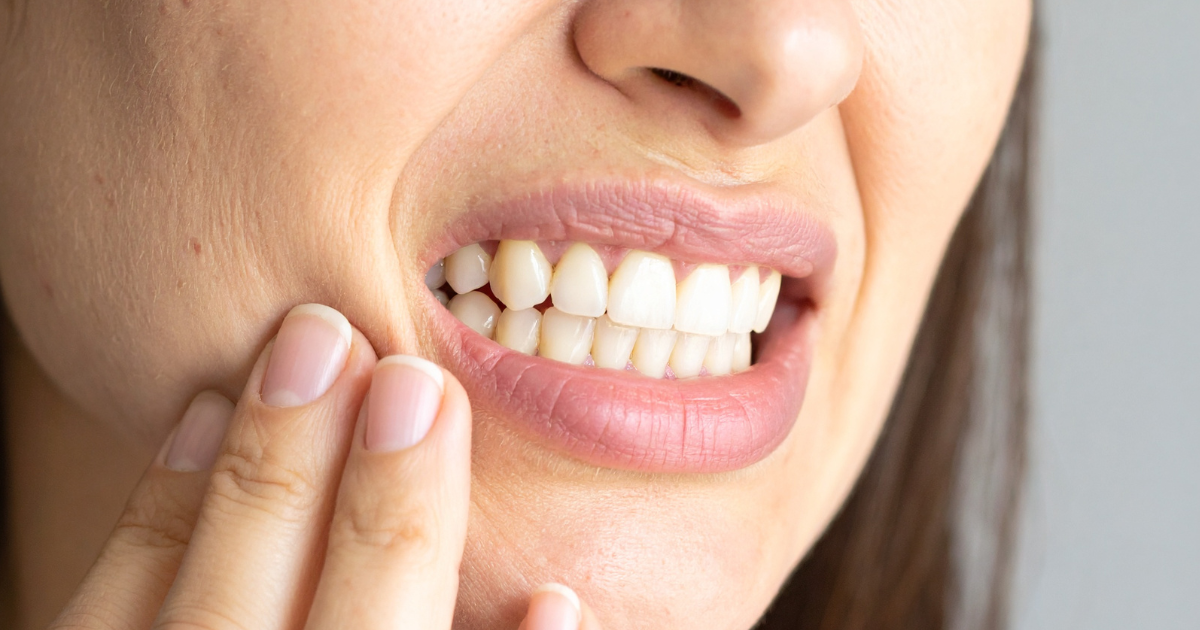
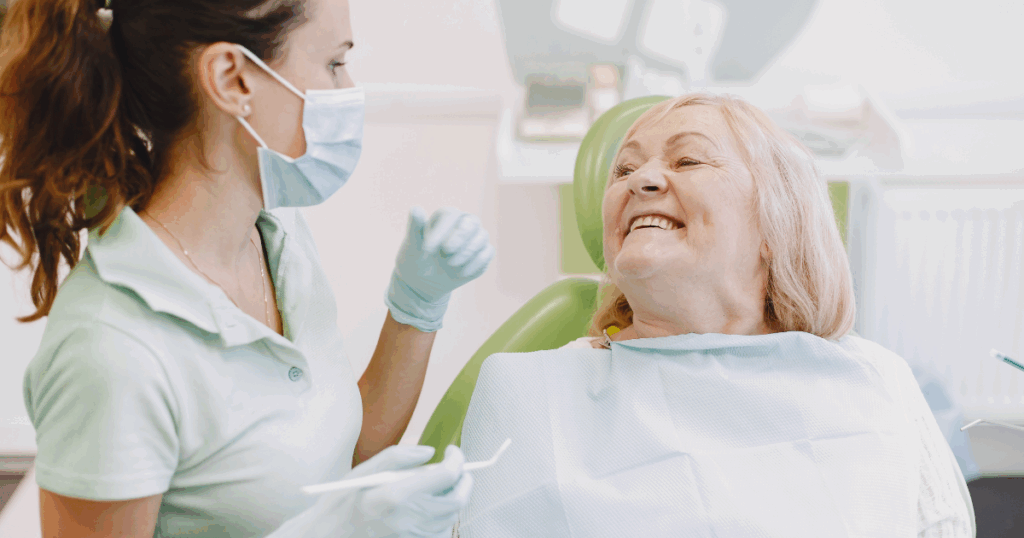
A healthy smile has no age limit but after 60, taking care of your teeth and gums becomes more important than ever. As we grow older, natural changes in the body, along with lifestyle and medical factors, can affect oral health in ways many people don’t expect. From dry mouth caused by medications to gum disease, receding gums, tooth sensitivity, and even an increased risk of oral cancer, seniors face unique dental challenges that require attention and care.
In fact, research shows that gum disease and root cavities are among the most common dental concerns in adults over 60. While modern dentistry has made it easier than ever to preserve natural teeth, ageing still increases the risk of enamel wear, bone loss, and tooth loss if preventive steps are overlooked.
The good news is that with regular checkups, professional cleanings, and simple daily habits, it’s possible to maintain strong teeth, healthy gums, and a confident smile well into your senior years. In this blog, we’ll explore the most common dental problems older people face, why they occur, and how you can protect your oral health after 60—so you can enjoy comfort, confidence, and a brighter smile at any age.
Maintaining Oral Health in Your 60s and Beyond: Common Concerns Explained
Dry Mouth (Xerostomia)
About one in three adults over 65 deal with dry mouth, often due to medications or health changes. When saliva decreases, your mouth becomes a breeding ground for cavities and gum disease. Try sipping water, using sugar free gum, and talking to us about saliva-supporting rinses or fluoride treatments.
Gum Disease & Receding Gums
Gum disease affects nearly two-thirds of those 75 and older, often creeping in silently. Gums can pull back, exposing roots that are more prone to decay. Regular cleanings and gentle daily care help keep this in check.
Root Cavities & Tooth Sensitivity
As gums recede, roots that lack enamel get exposed and can decay easily Add decay from dry mouth into the mix, and cavities become more likely
Tooth Loss & Changes in Teeth
The good news: more seniors are keeping their natural teeth. But ageing still raises risks like bone thinning and enamel wear, making teeth more fragile.
If missing teeth are a concern, options like implants, bridges, or dentures can restore both function and confidence.
Oral Cancer & Screening
Oral cancer is most often diagnosed after age 60. The risk goes up with smoking and age, making regular screenings vital for early detection.
Tips to Maintain Oral Health After 60 for a Confident Smile
- Stay hydrated & use saliva aides like sugar-free gum or mouth sprays.
- Brush gently with an electric toothbrush and fluoride toothpaste; ask us about varnishes or gels for added protection.
- Don’t skip flossing or use interdental tools especially if dexterity is tougher—simple aids make a big difference.
- Stay consistent with dental checkups, even if brushing seems adequate. We can catch early warning signs of gum disease, oral cancer, or decay.
- Let us know about new meds or health changes, dry mouth and other concerns often tie to overall health.
- Consider restorative options if needed.well fitted dentures or dental implants can keep your diet balanced and your smile confident.
Growing older doesn’t mean giving up on good oral health. By focusing on maintaining oral health through smart habits, tools, and support, you can enjoy a strong, glowing smile well past 60. At Gravity Dental Poly Clinic, we’re here to make that journey smooth, confident, and worry free because comfort meets care, no matter your age.