
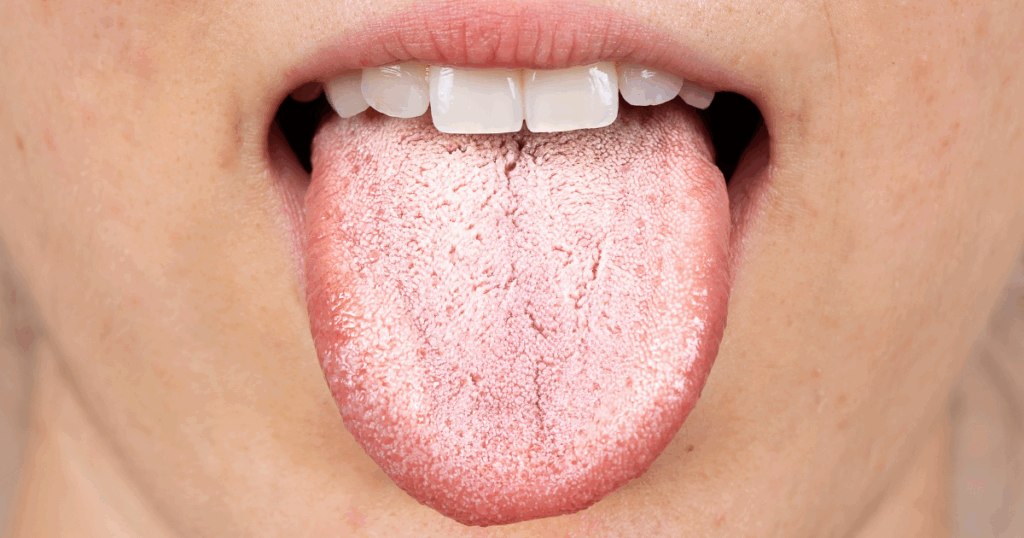
It’s a weird feeling, waking up with your tongue stuck to the roof of your mouth, lips dry, maybe even a sore throat. This isn’t just about forgetting to drink water. Dry mouth while sleeping is a common problem, especially for people who breathe through their mouths at night, take certain medications, or deal with sinus congestion. According to the Sleep Foundation, up to 23% of adults experience Dry Mouth regularly during sleep and many don’t even realize it’s happening.
Your mouth makes less saliva at night. That’s normal. But when saliva levels drop too low, it throws off your body’s natural balance. Saliva isn’t just spit it protects your teeth, keeps your breath in check, and makes chewing and swallowing easier. Without enough of it, you’re more likely to get cavities, gum problems, or wake up with that pasty, uncomfortable feeling.
What’s causing this? Dehydration, stress, antihistamines, antidepressants, snoring, sleep apnea, or just sleeping with your mouth open. Sometimes, it’s a mix of things. The tricky part? It’s often a silent issue. You don’t feel it building up during the day but your mouth feels the effect by morning.
The good news? You don’t need fancy treatments or expensive gear to fix it. Simple bedtime changes, like using a cool mist humidifier or sipping water before sleep, can help a lot. So can chewing sugar free gum or switching to alcohol-free mouthwashes. Making smart Mouth Care choices at night can actually set you up for a healthier mouth during the day.
In this post, we’ll dig into what’s behind Dry Mouth while sleeping, and how to improve your nighttime Mouth Care routine with easy, everyday solutions. A few small changes before bed can mean a much more comfortable morning and better long term Mouth Care too.
What Is Dry Mouth – Symptoms, Causes & Treatment
Dry Mouth, also known as xerostomia, happens when your mouth doesn’t make enough saliva to feel wet. Saliva is more than just spit, it washes away food bits, balances acid, and helps you chew, swallow, and taste normally. Xerostomia is common. Around 20–22% of adults report it regularly, and rates among older adults can reach nearly 50% People with type 2 diabetes often report dry mouth in nearly 40–45% of cases.
Symptoms, Signs Your Mouth Feels Too Dry
You might notice:
- A sticky or parched feeling in your mouth
- Bad breath or thick saliva
- Trouble chewing, swallowing, or speaking
- Sore throat, hoarse voice, or mouth sores
- Change in taste or cracked lips
What Causes It?
Here’s what can slow down your saliva:
- Many medications: antihistamines, antidepressants, blood pressure meds
- Conditions like diabetes, Sjögren’s syndrome, HIV/AIDS
- Radiation or chemotherapy targeting your head and neck
- Dehydration, smoking, and breathing through your mouth habitually
How to Treat Dry Mouth
For treatment, the goal is restoring moisture and protecting your oral health:
- Start with good Mouth Care, brush with fluoride toothpaste, floss, and stay hydrated
- Sip water, chew sugar free gum, and use mouth rinses made for dry mouth
- Artificial saliva sprays or gels can help temporarily
- In some cases, doctors may prescribe medications like pilocarpine or cevimeline to encourage your glands to work
There’s no instant cure but the quickest relief comes from small, smart changes: sipping water often, chewing sugar-free gum to boost saliva, and skipping alcohol and caffeine. Adding a humidifier in your bedroom and using an alcohol free mouth rinse at night can also help preserve moisture.These simple habits improve your Mouth Care overnight.